What does 後発地震注意情報 mean for Hachinohe residents?


Aftershocks Alert: ‘後発地震注意情報’ Issued After the M6-Strong Quake in Hachinohe
A strong earthquake struck Aomori’s Hachinohe city, registering 震度6強 on local intensity scales. As a result, the Japan Meteorological Agency issued ‘後発地震注意情報’ covering areas from Hokkaido to Chiba. This advisory warns of possible larger aftershocks and secondary hazards, therefore residents should stay alert and avoid damaged areas.
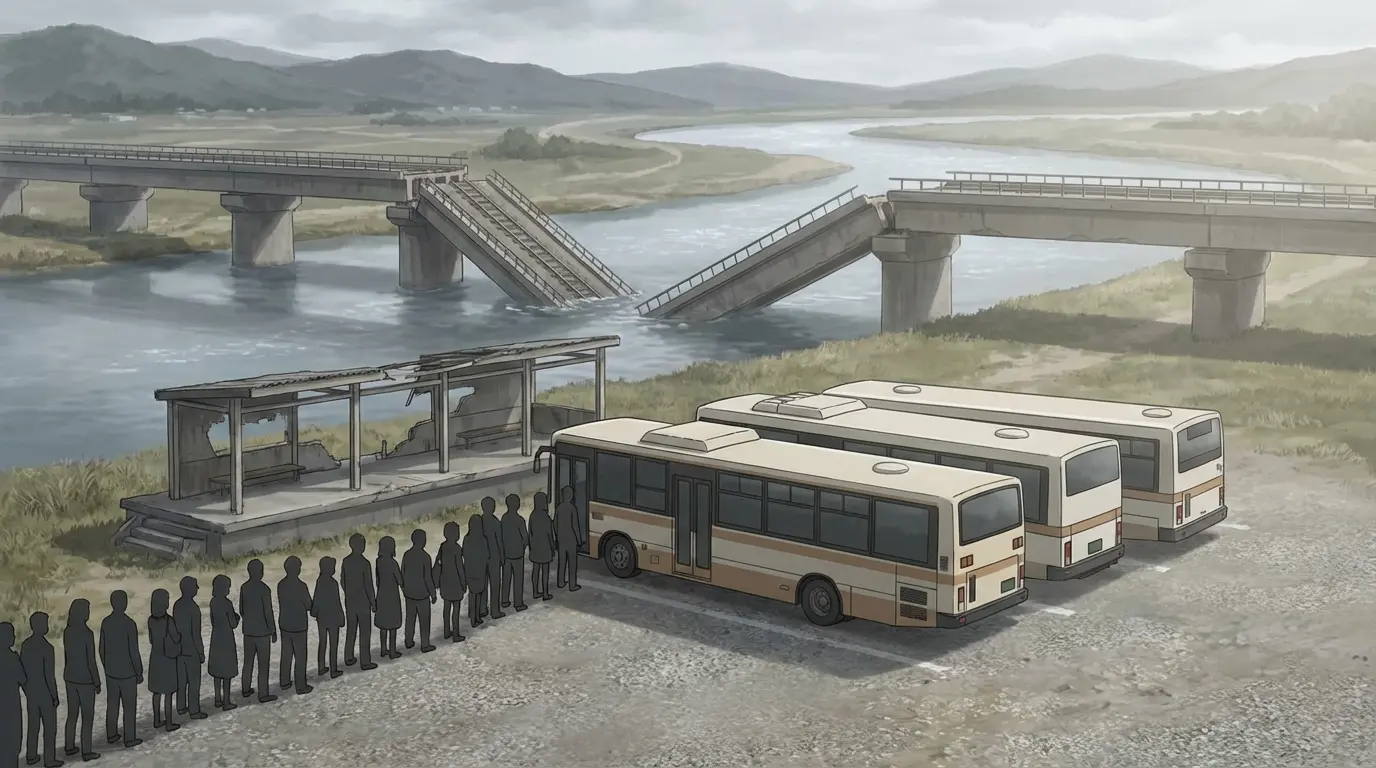
However, the special heightened watch period has ended, and the advisory remains in effect until midnight on the 16th, so continue readiness measures. Because infrastructure suffered significant damage — including a broken bridge on the JR Hachinohe Line that halted train services and prompted extensive bus queues at Hachinohe Station from early morning — local disruption may persist for at least a week, and since the epicenter lies off the eastern coast, the risk of further large quakes nearby remains; therefore review evacuation routes, check your emergency kit and belongings, confirm evacuation sites, monitor official channels for updates, and follow local authorities’ instructions for safe travel alternatives and sheltering.
Earthquake Impact and Transport Disruption
後発地震注意情報 and the Immediate Effects in Hachinohe
- A strong earthquake struck Hachinohe on the 8th, measured at 震度6強. Because of ground shaking, several structures and transport links suffered damage.
- A bridge on the JR Hachinohe Line collapsed, and as a result, trains could not pass on that section. Therefore JR suspended service along the affected segment.
- With trains halted, many commuters switched to buses. Starting around 7 AM at Hachinohe Station, long queues formed as people waited for limited bus replacements.
- Bus services ran under heavy load, and some passengers faced long waits. However, local operators prioritized routes to key evacuation points and hospitals.
Continued Disruption One Week Later
- One week after the quake, restoration work continued, and some routes remained closed. Consequently, travel times stayed longer than normal.
- Freight and passenger schedules saw ongoing delays because crews assessed track and bridge safety.
- Local roads near damaged infrastructure had traffic restrictions, so alternative routes became congested.
Practical Notes for Commuters and Residents
- Follow official updates from the Japan Meteorological Agency for aftershock warnings and advice: Japan Meteorological Agency.
- Check local transport operators for replacement bus timetables and station notices.
- Prepare for continued service changes, because repair work can take days to weeks depending on damage severity.
Quick facts and timeline
| Item | Details |
|---|---|
| Earthquake date | 8th (day of the month) |
| Location | Aomori Prefecture, Hachinohe city |
| Intensity | 震度6強 (Shindo 6-strong) |
| Epicenter | Off the eastern coast, east of Hachinohe |
| Affected transport line | JR Hachinohe Line (JR八戸線) — bridge collapse stopped trains |
| Immediate transport impact | Train suspension, replacement buses, long queues at Hachinohe Station from about 7 AM |
| 後発地震注意情報 scope | Issued for municipalities from Hokkaido to Chiba |
| Alert duration | Effective until midnight on the 16th |
| One week later | Restoration ongoing; delays and road restrictions remain |
| Safety advice | Confirm evacuation sites; check emergency kit; monitor official channels |
| Related keywords | earthquake, aftershocks, evacuation, JR八戸線, bus replacement |
What 後発地震注意情報 Means and Why It Matters
The term 後発地震注意情報 warns of possible larger aftershocks near the quake site. In plain terms, it means “be careful of big quakes near where this earthquake happened.” For example, as one expert explained, “この地震が起こったところの近くでは、大きい地震に気をつけてほしいという意味です。” Therefore authorities issue this advisory after strong quakes to reduce risk and save lives.
Because the advisory covers many municipalities, people should take simple but firm steps. First, review evacuation sites and safe routes. Second, check emergency bags and essential items. As a reminder, “これからも避難場所や逃げるときの荷物にもつを確認してください。” Also, keep listening for official updates from the Japan Meteorological Agency: Japan Meteorological Agency.
The advisory underlines that risks can continue even after the main shock. In other words, further large quakes remain possible. Accordingly, follow practical advice such as staying away from damaged bridges and unstable buildings. Emergency services may also publish guidance on safe travel and sheltering; see the Fire and Disaster Management Agency for preparedness tips: Fire and Disaster Management Agency.
In short, 後発地震注意情報 is not a prediction. Rather, it is a call for caution and continued readiness. Remember the clear warning: “大きい地震が起こる可能性はあります。地震があると考えて準備をこれからも続けてください。” Keep supplies ready and monitor official channels until authorities say otherwise.
Conclusion
The Hachinohe quake shows how quickly life and transport can change. Because infrastructure failed, many people lost normal travel options. Therefore 後発地震注意情報 proved vital to guide public caution and response.
Keep these lessons in mind. Check evacuation sites and your emergency bag now. As one reminder says, “これからも避難場所や逃げるときの荷物にもつを確認してください。” Also remember aftershocks remain possible, so maintain readiness. In short, continue to monitor official updates and follow local instructions.
Prepare or top up emergency supplies, food, water, and medicine. Keep phones charged and set emergency alerts on your device. Confirm alternative travel plans because trains may remain suspended for days. Remember the message: “大きい地震が起こる可能性はあります。地震があると考えて準備をこれからも続けてください。” Practice calm responses and help neighbors when safe to do so.
Nihoner.com supports learners by linking language with real events. It offers cultural notes and practical Japanese for safety terms. Therefore learners can better understand alerts such as 後発地震注意情報 and act with confidence. Use trusted sources for updates and guidance. Stay informed and stay prepared.
Frequently Asked Questions (FAQs)
What does 後発地震注意情報 mean?
後発地震注意情報 warns people about possible larger aftershocks near the quake site. In simple terms, it means be careful of big quakes near where the main shock happened. Authorities issue this advisory after strong earthquakes to prompt caution and safety checks.
Why was 後発地震注意情報 issued after the Hachinohe quake?
A strong quake hit Hachinohe with intensity 震度6強 on the 8th. Because the epicenter lies off the eastern coast, the risk of further large quakes stayed higher. Therefore the Japan Meteorological Agency issued the advisory from Hokkaido to Chiba. The goal was to alert many municipalities and reduce harm.
How long did the advisory last and what does that mean for residents?
The advisory remained effective until midnight on the 16th. However this end does not remove all risk. People should still stay prepared because aftershocks can come later. Also local authorities may extend or change guidance depending on new data.
How did the quake affect transport and daily life?
A bridge on the JR Hachinohe Line collapsed, and trains stopped on that segment. As a result many commuters used replacement buses, and long queues formed at Hachinohe Station from around 7 AM. One week later, repairs continued and delays remained. Road restrictions and schedule changes affected travel and deliveries.
What should I do if I am in an affected area?
First, confirm your evacuation site and safe routes. Second, check your emergency bag and essential items. Remember the advice, “これからも避難場所や逃げるときの荷物にもつを確認してください。” Third, avoid damaged bridges and buildings until officials inspect them. Finally, monitor official sources such as the Japan Meteorological Agency Japan Meteorological Agency and the Fire and Disaster Management Agency Fire and Disaster Management Agency for updates and instructions.