Top 5 Lesser-Known Shinkansen Stops from Tokyo to Kyūshū?


5 Lesser-Known Shinkansen Stops from Tokyo to Kyūshū
5 Lesser-Known Shinkansen Stops from Tokyo to Kyūshū reveal secret day trips and quirky detours few travelers plan. These bullet-fast trains reach speeds above 250 km/h, so you cover long distances in comfort and style. Because the Tōkaidō, San’yō, and Kyūshū lines link, the network ties Tokyo to Kyūshū as one continuous route. As a result, you can combine services to craft multi-stop journeys that feel like short country-hopping adventures.
Imagine stepping off at quiet stations to find hilltop castles, coastal cycling paths, volcanic vistas, and steaming onsen towns. However, guidebooks often skip these stops, so most tourists miss the local flavors and hidden viewpoints. This piece will spotlight five lesser-known stops and practical booking hacks. It also shares scenic seat tips for seeing Mt. Fuji and other landmarks. Travel lovers and Japan enthusiasts will leave inspired, informed, and ready to book a faster, more curious itinerary.
5 Lesser-Known Shinkansen Stops from Tokyo to Kyūshū
Travelers often race from Tokyo to Kyūshū on bullet trains. However, several quieter stations reward you with local culture and scenic detours. Below are five lesser-known Shinkansen stops that make the journey richer and more memorable.
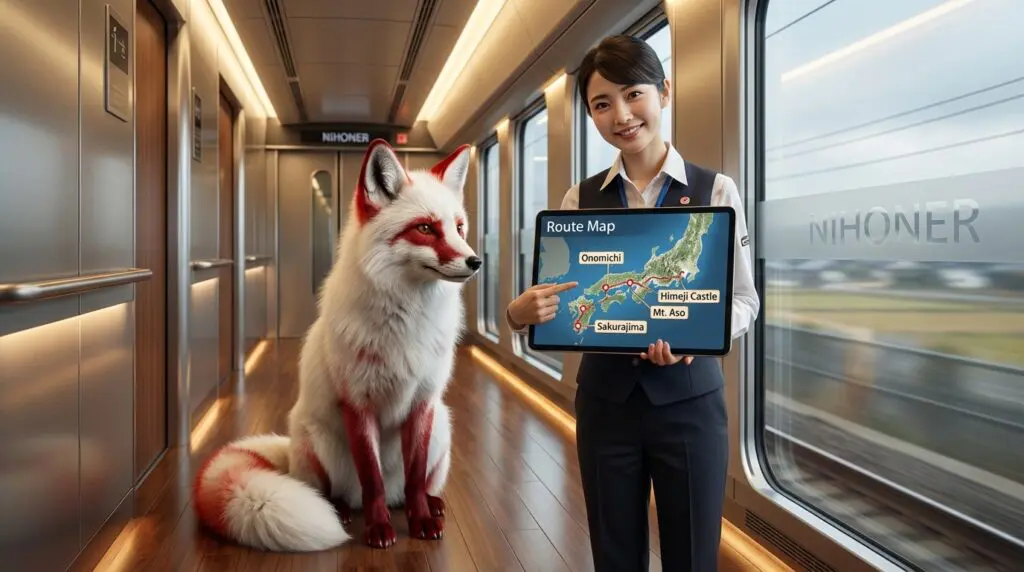
Himeji Station
- Brief description: Himeji sits on the San’yō Shinkansen between Osaka and Hiroshima. It makes an excellent short stop for history lovers.
- Interesting facts: Himeji Castle dates back to the early 14th century and expanded under Toyotomi Hideyoshi. The castle remains one of Japan’s best preserved feudal fortresses.
- Travel tips: Arrive early to avoid crowds and rent an audio guide. Also, the castle grounds open year round, so plan for seasonal light.
- Nearby attractions: Himeji Castle is a five minute walk from Himeji Station. For official visitor details see Himeji Castle.
Fukuyama Station – Gateway to Onomichi and the Shimanami Kaidō
- Brief description: Fukuyama is a quiet Shinkansen stop with fast local connections. It serves as a practical gateway to Onomichi and the cycling route.
- Interesting facts: Onomichi itself charms with old temples and a ropeway to Senkō-ji Temple. The Shimanami Kaidō is a 60 kilometer island hopping cycling route.
- Travel tips: Take the short local train to Onomichi and rent a bicycle. Therefore you can tackle one or two bridges in a day.
- Nearby attractions: Learn more about the Onomichi area at the city site Onomichi City. For Shimanami Kaidō background see Shimanami Kaidō.
Shin-Kurashiki Station – Artful detour
- Brief description: Shin-Kurashiki offers easy access to the preserved Bikan district and art museums. It sits between Okayama and Fukuyama on the line west of Osaka.
- Interesting facts: Bikan district keeps Edo era canal architecture. As a result, the streets feel like a slow movie set.
- Travel tips: Walk the canal after lunch. Also visit local craft shops and small museums.
- Nearby attractions: The nearby Ohara Museum and craft streets reward slow travelers and photographers.
Kumamoto Station – Base for Mt Aso and Kumamoto Castle
- Brief description: Kumamoto Station lies on the Kyūshū Shinkansen. Therefore it makes a perfect base to reach Mt Aso and regional onsen towns.
- Interesting facts: Kumamoto Castle partially reopened after 2016 earthquake repairs. However, restoration continues, and parts welcome visitors.
- Travel tips: Use local trains or buses to reach Aso. Because Mt Aso’s caldera can close for safety, check the latest notices before visiting.
- Nearby attractions: For castle details see the Kumamoto Castle guide on Kumamoto Castle. For Aso visitor info see Aso Tourism.
Kagoshima Chūō Station – Gateway to Sakurajima and the south
- Brief description: Kagoshima Chūō is the Kyūshū Shinkansen terminus for many services. It offers dramatic views of Sakurajima across the bay.
- Interesting facts: Kagoshima has been likened to Naples for its coastal vibe. You can catch a short ferry to Sakurajima and nearby islands.
- Travel tips: Take the ferry for close views of the volcano. Also sample local cuisine before boarding the return Shinkansen.
- Nearby attractions: For ferry and visitor details see Kagoshima Ferry Information and Sakurajima Visit.
Practical advice for all stops
- Booking tips: Reserve Shinkansen seats when possible. Trains travel above 250 kilometers per hour, so reservations save stress.
- Timing advice: Aim for midweek visits to avoid weekend crowds. Also allow time for local transfers off the Shinkansen.
- Cultural tip: Respect quiet carriage etiquette and local customs. As a result, you will have smoother interactions with residents.
These five stops show how the Tōkaidō, San’yō, and Kyūshū lines link big cities to hidden gems. Travel planners and Japan fans can mix fast rail with slow travel. Therefore the trip becomes both efficient and deeply rewarding.
| Stop Name | Region/Prefecture | Key Attractions | Historical/Cultural Notes | Travel Tips or Unique Highlights |
|---|---|---|---|---|
| Himeji Station | Hyogo Prefecture (Kansai) | Himeji Castle, Koko-en Garden, castle town | Iconic early 14th-century castle, expanded under Toyotomi Hideyoshi; well preserved | Walk five minutes to castle; arrive early; audio guides; great for history lovers |
| Fukuyama Station | Hiroshima Prefecture (Setouchi) | Onomichi, Senkō-ji Temple, Shimanami Kaidō cycling | Gateway to Onomichi’s temple alleys and island bridges | Short local train to Onomichi; rent bikes; try a single-bridge ride |
| Shin-Kurashiki Station | Okayama Prefecture | Bikan Historical Quarter, Ohara Museum, craft shops | Edo-era canal district with Meiji and Taisho influences | Stroll canals after lunch; visit small galleries; quieter than main Kurashiki |
| Kumamoto Station | Kumamoto Prefecture (Kyūshū) | Kumamoto Castle, Mt. Aso, hot springs | Castle with major 2016 earthquake repairs; base for volcanic landscapes | Check Mt. Aso access advisories; use local buses; sample onsen towns |
| Kagoshima Chūō Station | Kagoshima Prefecture (Southern Kyūshū) | Sakurajima ferry, Kagoshima Bay, local cuisine | Coastal city with active Sakurajima volcano; gateway to Amami Islands | Catch a 15-minute ferry to Sakurajima; savor local food; great sunset views |
Shinkansen booking and travel hacks
Booking smart saves time and frustration. Because Shinkansen trains move fast, plan reservations early. As a result, you secure seats and preferred travel times.
Where to book
- Triplabo offers English support and QR ticketing for foreigners. Book at Triplabo to reserve specific Shinkansen tickets and seats. Triplabo issues a QR code after payment, which you can show at the gate.
- Official JR websites also sell tickets and timetables. For example, JR Central provides clear schedules and service details at JR Central. Use them for service updates and route maps.
QR ticket usage and gate tips
- After booking you will receive a QR code by email or on your Triplabo My Page. Therefore store it in your phone wallet or print it as backup.
- At the station find the gates marked for QR or mobile tickets. Then hold the code to the scanner until the gate beeps. Do not block the sensor with other objects.
- If the gate rejects the code, seek help at a staffed ticket counter nearby. Staff often speak basic English and will guide you through the manual process.
Seat selection and scenic tips
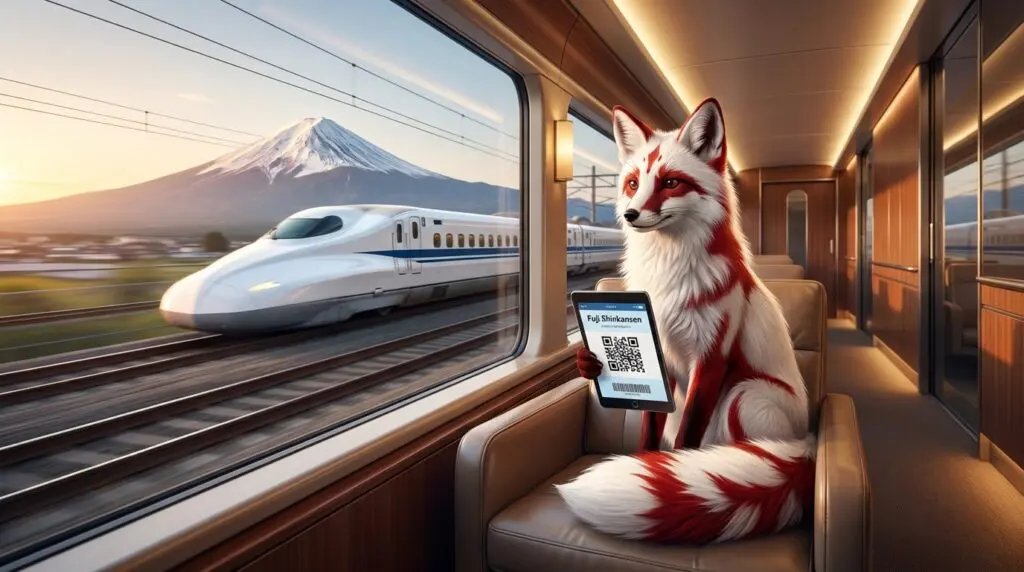
- To see Mt. Fuji choose a right-hand-side window seat between Shizuoka and Mishima on the Tōkaidō Shinkansen. Also pick a seat ahead of the carriage doors to avoid crowds when boarding.
- For coastlines and island views prefer left-side seats on stretches of the San’yō line. Therefore vary sides when you plan multi-leg trips.
Extra travel hacks
- Reserve seats for peak travel days to avoid standing-room only trains. Also consider midweek travel for quieter platforms.
- Pack small cash for vending machines and station kiosks. As a result, you can grab bentō boxes and local snacks quickly.
- Keep travel times flexible. Because transfers and local buses can add time, build buffer hours into your plan.
These booking hacks make Shinkansen travel smoother. Use Triplabo and JR sites to book, save your QR code, and pick the best seat to catch Mt. Fuji.
Conclusion
Exploring the 5 Lesser-Known Shinkansen Stops from Tokyo to Kyūshū turns a fast rail trip into a string of discoveries. These quieter stations reveal castles, coastal routes, volcanic landscapes, and local food scenes. As a result, your itinerary becomes richer than a straight city-to-city sprint.
Because the Shinkansen network moves you quickly, you can mix high-speed travel with slow exploration. For example, step off at Himeji to visit a millennia-old castle, or bike a bridge on the Shimanami Kaidō after a short local ride from Fukuyama. Moreover, Kumamoto and Kagoshima reward visitors with volcanic vistas and distinctive regional cuisine. Therefore each stop adds cultural depth and memorable moments.
Travelers who seek authentic experiences will benefit from planning a few unplanned detours. Reserve tickets, save your QR codes, and pick the best seat for scenery. Also learn a few Japanese phrases to smooth interactions and unlock local tips.
For learners who want practical language tools tied to real travel, Nihoner.com offers everything you need. The platform includes a large dictionary, pronunciation trainer, courses, quizzes, and cultural guides about Japan’s cities and travel. As a result, you can study words, practice speaking, and use language confidently during your Shinkansen adventures.
Frequently Asked Questions (FAQs)
Do I need to reserve Shinkansen seats in advance?
You do not always need to reserve, but reservations help. Because trains run above 250 kilometers per hour, reserved seats reduce stress and guarantee a spot. During holidays and weekends, reserve seats early. Also, if you prefer a specific carriage side for views, book ahead. For English support and pre-booking, consider Triplabo at Triplabo. For official timetables and service updates, check JR Central at JR Central.
How do QR tickets work at Japanese stations?
QR tickets arrive by email after booking. Save the QR in your phone wallet or print it as backup. At the station use gates labeled for mobile or QR tickets. Then hold the code to the scanner until you hear a beep. If the gate rejects the code, visit a staffed counter and show your reservation. Staff will help you enter manually, so do not worry.
Which side of the train should I sit to see Mt. Fuji?
Choose the right-hand-side window between Shizuoka and Mishima on the Tōkaidō Shinkansen. Also pick a seat forward of the carriage doors to avoid crowds. Because visibility depends on weather, plan for a clear morning when possible. If you travel multi-leg, vary seat sides to catch coastlines on the San’yō line.
Can I stop at Himeji, Onomichi, Shin-Kurashiki, Kumamoto, and Kagoshima on one trip?
Yes. The Tōkaidō, San’yō, and Kyūshū lines connect to form a continuous route. Therefore you can break your journey with day stops. However, build buffer time for transfers and local trains. Also reserve or buy segment tickets if you use reserved seats. For cycling the Shimanami Kaidō from Fukuyama, allow a full day or more.
Are there safety or seasonal issues for Mt Aso or Sakurajima?
Yes. Volcanoes can change behavior and close attractions. Because access to Mt Aso’s caldera sometimes closes, check local advisories before you go. Also watch JR service updates for weather or volcanic disruptions. As a result, plan flexible itineraries and confirm refunds or change policies when booking.