Can 大きい地震が続く可能性と備え keep families safe?


大きい地震が続く可能性と備え (Ōkii jishin ga tsuzuku kanōsei to sonae — Possibility of Continued Large Earthquakes and Preparedness)
大きい地震が続く可能性と備え (Ōkii jishin ga tsuzuku kanōsei to sonae, meaning Possibility of Continued Large Earthquakes and Preparedness) demands urgent attention. The Meteorological Agency warned people to watch for strong shaking for about one week from January sixth. Because aftershocks and related events can follow, the Agency urged caution. In regions like Tottori and Shimane, history shows large quakes can follow each other. Therefore staying informed matters for every household and community. This article explains survival vocabulary that helps you act quickly under stress. It also covers practical daily life preparations for food, water, and furniture safety. For example secure tall furniture so it will not fall during shaking. Moreover assemble emergency supplies and know evacuation routes near your home. As a result you reduce injury risk and improve family resilience. We will give clear, simple terms that emergency services use in Japan. Because knowing those terms saves time, you can avoid confusion. By the end you will feel more ready and confident for possible strong quakes. Finally we recommend small, immediate steps that anyone can start today. We will also summarize official advice and simple checklists for families and workplaces. Read on to learn concrete steps, useful phrases, and where to find trustworthy information.
What the Meteorological Agency warned
大きい地震が続く可能性と備え: 気象庁からの警戒
The Meteorological Agency issued a clear warning on January 6, 2026. Because seismic activity can continue, it told people to stay alert. The Agency said, in Japanese: 「6日むいかから1週間しゅうかんぐらいは、震度しんど5強きょうぐらいの地震じしんに気きをつけてください。」
Romaji: “Roku‑nichi muika kara isshūkan gurai wa, shindo go‑kyō gurai no jishin ni ki o tsukete kudasai.”
Translation: “Please be careful of earthquakes around seismic intensity 5 plus for about one week from the sixth.”
The Agency also warned that stronger shaking could occur. In Japanese it said: 「6日むいかより強つよい揺ゆれの地震じしんがあるかもしれません。」
Romaji: “Roku‑nichi muika yori tsuyoi yure no jishin ga aru kamoshiremasen.”
Translation: “There may be earthquakes with stronger shaking than on the sixth.”
For real time updates check the Meteorological Agency website at 気象庁 and the earthquake activity page at 地震活動ページ. Also consult trusted news coverage such as NHK at NHK for local advisories and evacuation notices. Monitoring these sources helps you act fast.
大きい地震が続く可能性と備え: 鳥取県と島根県の過去事例
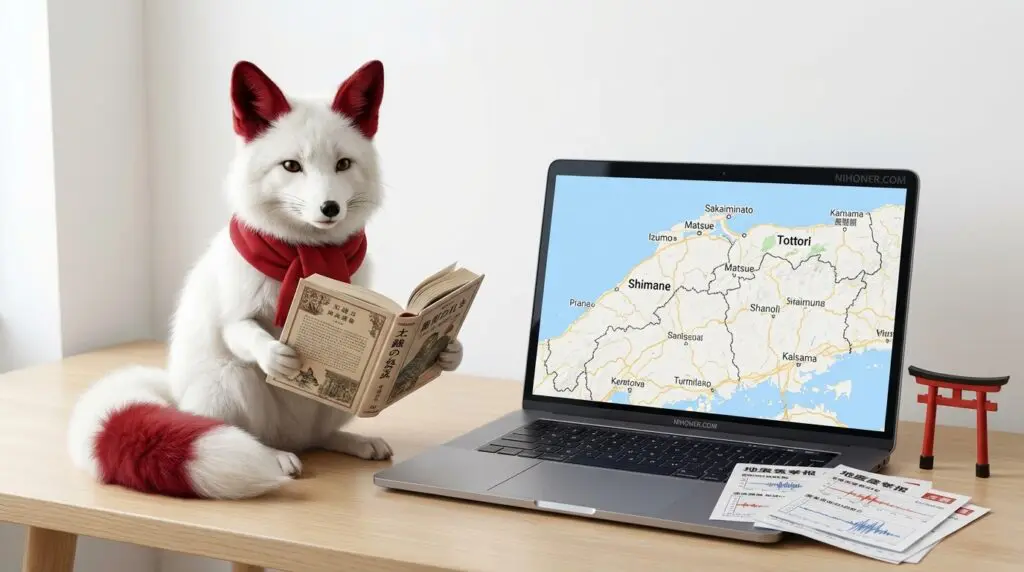
Historically, regions like Tottori Prefecture and Shimane Prefecture have shown that large earthquakes can come in sequences. For example, records indicate that after a major tremor, similarly strong shocks sometimes followed. Therefore local officials advise extra caution after a large event. Because aftershocks and triggered earthquakes pose real risks, residents should not assume danger has passed.
The Agency advised practical steps. It said, in Japanese: 「家いえの中なかで家具かぐが倒たおれないようにしたり、食たべ物ものや飲のみ物ものなどの用意よういをしたりして、大おおきい地震じしんのための準備じゅんびをしてください。」
Romaji: “Ie no naka de kagu ga taorenai you ni shitari, tabemono ya nomimono nado no youi o shitari shite, ookii jishin no tame no junbi o shite kudasai.”
Translation: “Secure furniture inside your home, prepare food and drink, and make preparations for large earthquakes.”
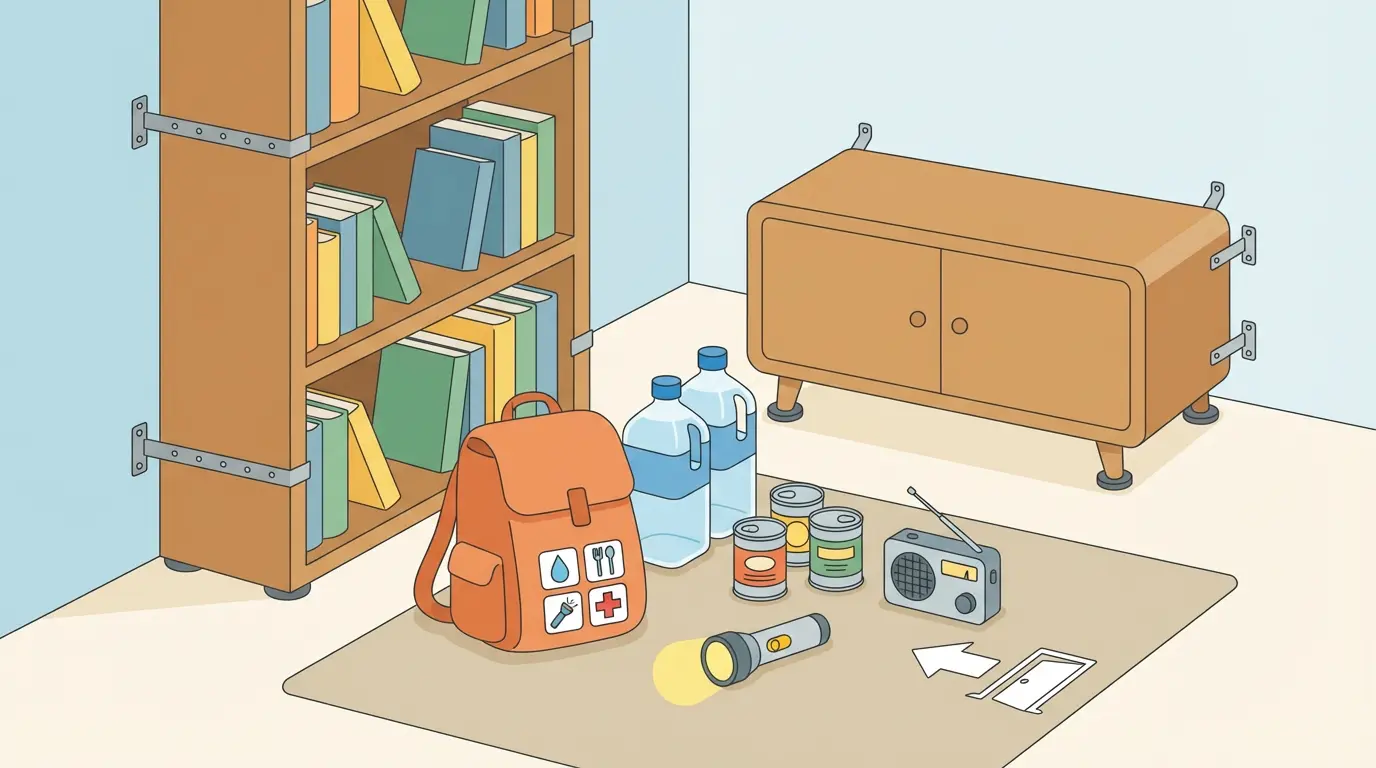
Follow these steps now. Secure tall furniture and heavy items. Store at least three days of water and food. Prepare a basic emergency kit and identify evacuation routes. As a result you reduce injury risk and make recovery easier.
Practical daily steps for 大きい地震が続く可能性と備え
Below are clear, actionable tips you can use every day. Because earthquakes and aftershocks can happen quickly, prepare now. These steps focus on simple tasks that make a real difference in safety.
-
家具の倒壊防止 (kagu no tōkai bōshi) meaning prevention of furniture collapse
- Anchor tall furniture to walls with straps or brackets. This reduces the risk of falling during strong shaking. Also use non-slip pads under heavy items.
- Move heavy objects to lower shelves and lock cabinet doors so contents do not spill.
-
食べ物 (tabemono) meaning food and 飲み物 (nomimono) meaning drinks
- Stock at least three days of ready to eat food and drinking water for each household member. Because supply chains can be disrupted, this is essential.
- Rotate supplies so nothing expires. Also include baby formula or special dietary items if needed.
-
用意 (yōi) meaning preparation and basic emergency kit
- Prepare a grab bag for each person. Include a flashlight, spare batteries, portable radio, first aid kit and copies of important documents.
- Place the bag near an exit so you can take it quickly. As a result you reduce confusion during evacuation.
-
Home and family planning
- Identify safe spots inside your home such as under sturdy tables. Practice drop cover and hold on with family members.
- Check gas shut off valves and know how to turn them off. Also establish a meeting point and a contact outside the area.
For official guidance consult the Meteorological Agency at https://www.jma.go.jp and public disaster guidance at https://www.bousai.go.jp. Local news and evacuation notices appear on NHK at https://www.nhk.or.jp. Monitoring these sites helps you update your preparations quickly.
Emergency preparedness measures compared
| Preparedness Measure | Description | Importance | Example Actions |
|---|---|---|---|
| 家具の倒壊防止 (kagu no tōkai bōshi — prevention of furniture collapse) | Anchor tall furniture to walls. Move heavy items to low shelves. Use non slip pads and cabinet locks. | High | Install wall straps or brackets. Use anti‑tilt kits. Lock cabinet doors. |
| 食べ物・飲み物の用意 (tabemono / nomimono no yōi — food and water preparation) | Store at least three days supply per person. Rotate stock to avoid expiry. Include special dietary needs. | Critical | Keep canned goods, ready meals, bottled water. Replace items regularly. Label expiry dates. |
| 緊急包と持ち出し袋 (kinkyū bukuro / mochidashi bukuro — emergency kit and grab bag) | A grab bag with essentials for quick evacuation. Include tools and documents. | High | Pack flashlight, spare batteries, portable radio, first aid, medicines, copies of ID and insurance. |
| 家族の避難計画・安否確認 (kazoku no hinan keikaku / anpi kakunin — family evacuation plan and check‑ins) | Decide meeting points and contact methods. Practice routes. Assign roles. | High | Designate an outside contact. Practice evacuation drills. Save emergency numbers. |
| 建物点検とガス電気対策 (tatemono tenken to gasu denki taisaku — building checks and gas/electric safety) | Inspect fixtures and anchors. Know how to shut off gas and electricity. | High | Learn gas valve location. Secure water heater. Check structural hazards. |
| 情報収集とモニタリング (jōhō shūshū to monitaringu — information gathering and monitoring) | Follow official warnings. The Meteorological Agency said: 「6日むいかから1週間しゅうかんぐらいは、震度5強程度の地震に気をつけてください。」 Romaji: “Roku‑nichi muika kara isshūkan gurai wa, shindo go‑kyō teido no jishin ni ki o tsukete kudasai.” Translation: “Please be careful of earthquakes around seismic intensity 5 plus for about one week from the sixth.” It also warned: 「6日むいかより強いつよい揺ゆれの地震じしんがあるかもしれません。」 Romaji: “Roku‑nichi muika yori tsuyoi yure no jishin ga aru kamoshiremasen.” Translation: “There may be earthquakes with stronger shaking than on the sixth.” | Essential | Set alerts from the Meteorological Agency and NHK. Monitor local evacuation notices. Keep a battery radio. |
Conclusion: Prepare, Learn, and Act
Preparing for 大きい地震が続く可能性と備え (Ōkii jishin ga tsuzuku kanōsei to sonae — Possibility of Continued Large Earthquakes and Preparedness) remains essential. Because earthquakes can come in sequences, households must act now. Take small steps today and check your furniture anchors, food, and water supplies.
Clear, practical language saves time during an emergency. Therefore learn simple survival phrases and labels for items like 家具の倒壊防止 (kagu no tōkai bōshi — prevention of furniture collapse), 食べ物 (tabemono — food), 飲み物 (nomimono — drinks), and 用意 (yōi — preparation). When family members understand these terms, they react faster and safer.
Nihoner.com helps learners use Japanese in real life. For example, it explains emergency vocabulary and cultural context. As a result, learners can follow official advisories and act with confidence.
In short, 大きい地震が続く可能性と備え requires practical action and clear words. Start by securing furniture and packing a grab bag. Finally, practice your plan and keep monitoring official updates so you stay ready.
Frequently Asked Questions (FAQs)
What does 大きい地震が続く可能性と備え (Ōkii jishin ga tsuzuku kanōsei to sonae — Possibility of continued large earthquakes and preparedness) mean for residents?
It means stay alert after a large quake. The Meteorological Agency, 気象庁 (Kishō-chō — Japan Meteorological Agency), warned to watch for 震度5強 (shindo go-kyō — seismic intensity 5 plus) for about one week from January 6. Because earthquakes can come in sequences, remain prepared and review your 家具の倒壊防止 (kagu no tōkai bōshi — prevention of furniture collapse) measures.
How long should I remain cautious after a major tremor?
The official guidance is about one week. However, aftershocks, 余震 (yoshin — aftershocks), can occur longer. Therefore monitor updates and keep emergency supplies ready.
What does 家具の倒壊防止 mean in practice?
家具の倒壊防止 (kagu no tōkai bōshi — securing furniture) means anchor tall furniture to walls. Use straps or brackets and put heavy items on low shelves. Also lock cabinet doors so contents do not spill during 揺れ (yure — shaking).
What basic supplies should I prepare now?
Prepare 食べ物 (tabemono — food) and 飲み物 (nomimono — drinks) for at least three days. In addition, make 用意 (yōi — preparations) like a grab bag with flashlight, radio, first aid, medicines, and copies of documents.
How do I follow official warnings and local risks like in 鳥取県 and 島根県?
Follow 気象庁 alerts and local channels. 鳥取県 (Tottori-ken — Tottori Prefecture) and 島根県 (Shimane-ken — Shimane Prefecture) have seen repeated strong quakes. Therefore sign up for emergency notifications and heed evacuation advice without delay.