What drives 救急車の忙しさと適正利用?


Understanding 救急車の忙しさと適正利用 (kyuukyuusha no isogashisa to tekisei riyou) meaning “ambulance busyness and proper use”: a clear guide for callers
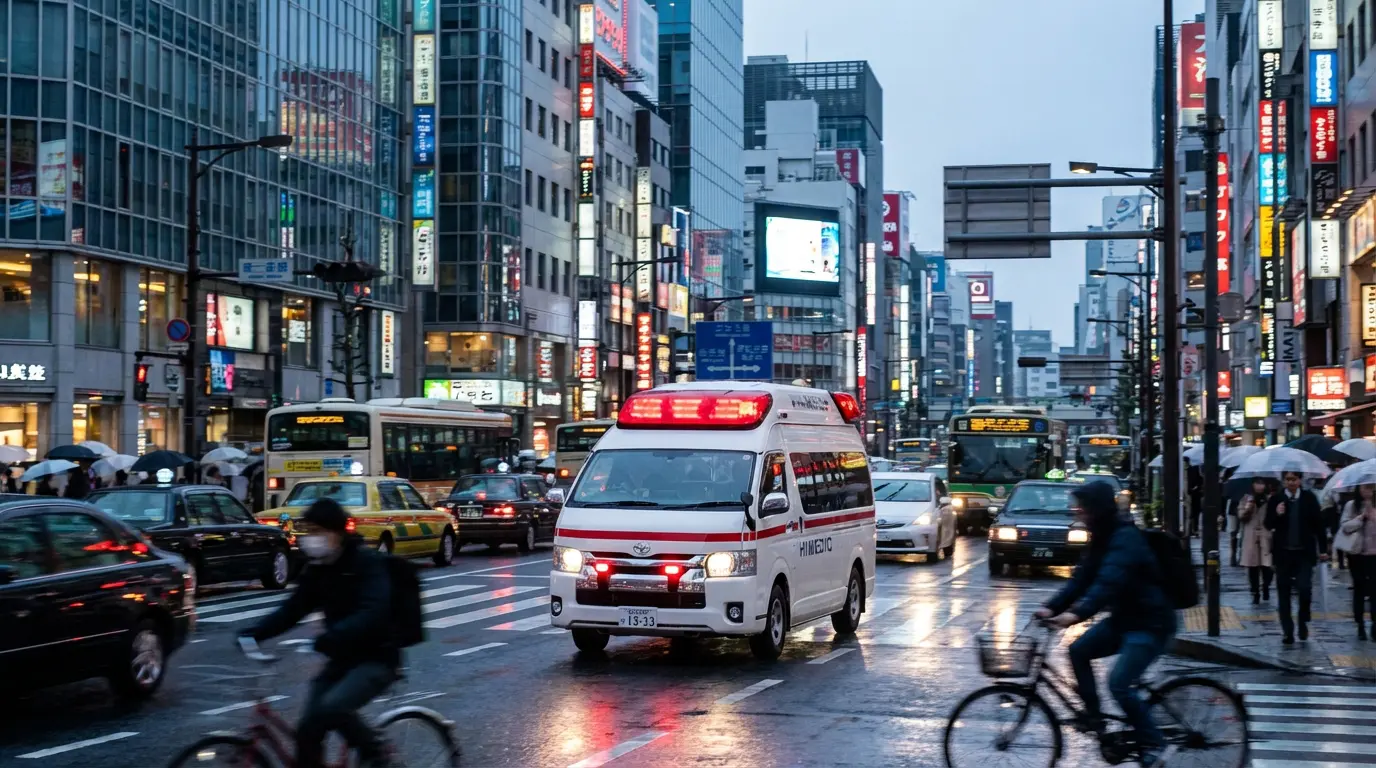
Emergency medical services matter to everyone. In Japan, the topic of 救急車の忙しさと適正利用 (kyuukyuusha no isogashisa to tekisei riyou) meaning “ambulance busyness and proper use” sets the tone for safer choices. This article explains why ambulances get so busy and how callers can make better decisions.
First, we will outline what counts as a real emergency. Then, we will describe common causes of high call volumes. Next, we will give practical guidance on when to dial 119 and when to use the 相談ダイヤル (soudan daiyaru) meaning “consultation dial” #7119 for advice.
This guide uses clear examples and simple steps. As a result, you will know exactly when to request an ambulance and when to seek other help. By the end, you will have a confident plan to act in an emergency.
Checkpoint: Read this and you will be able to decide the right contact for urgent health needs with clarity and confidence.
救急車の忙しさと適正利用 (Kyuukyuusha no Isogashisa to Tekisei Riyou)
Meaning “ambulance busyness and proper use” explains why ambulance demand matters and how callers can help.
- Over 930,000 ambulance dispatches last year. This equals 93万回以上 (kyuujuu san man kai ijou) meaning “more than 930,000 dispatches” and shows very high demand.
- About 20 percent of calls to 119番 (hyaku juu kyuu ban) meaning “119 emergency number” lacked urgent medical need. As Tokyo Fire Department notes, this creates strain on services.
- Causes include an aging population and extreme summer heat. These factors raise call volume and increase workload for crews.
- Official guidance from 東京消防庁 (Toukyou Shoubouchou) meaning “Tokyo Fire Department” is clear: “Please use ambulances correctly.” The original Japanese quote is 「救急車を正しく使ってください」 (Kyuukyuusha wo tadashiku tsukatte kudasai) meaning “Please use ambulances correctly.”
- If you are unsure whether to call 119, use the consultation line #7119 (#7119, soudan daiyaru meaning “consultation dial”) for advice before requesting an ambulance.
This short summary gives clarity and certainty about when to call. In addition, knowing alternatives reduces anxiety in urgent situations.
Micro win invitation: Practice the real phrases used by emergency services and build confidence in real situations. Join free lessons here: free lessons.
救急車の忙しさと適正利用
“Ambulance busyness and proper use” matters because misuse can delay care for people in real danger.
Using ambulances correctly protects lives and keeps emergency services available. However, overload causes slower responses and extra stress for crews. Tokyo Fire Department, 東京消防庁 (Toukyou Shoubouchou) warns: 「救急車を正しく使ってください」 (Kyuukyuusha wo tadashiku tsukatte kudasai) meaning “Please use ambulances correctly.”
Why misuse hurts the system:
- It increases response times for severe cases, so people with life threatening conditions wait longer.
- It consumes medical resources that cannot help others in urgent need.
- It raises mental and physical fatigue among emergency staff, which reduces overall care quality.
Practical steps to decide whether to call:
- If someone is unconscious, not breathing, bleeding heavily, or showing severe chest pain, call 119番 (hyaku juu kyuu ban) meaning “119 emergency number” immediately.
- If you are unsure whether the situation is urgent, call the consultation dial #7119 (#7119, soudan daiyaru meaning “consultation dial”) for advice before requesting an ambulance.
- When you call, speak clearly and give location and symptoms. Clear speech helps crews arrive prepared.
Prepare now so you act fast later. For help with real phrases, try practical pronunciation practice. Nihoner offers pronunciation training with native audio to improve how you communicate in emergencies. This reduces anxiety and brings clarity when every second counts. Learn more about premium features here: premium features.
Confidence booster: Practice simple emergency phrases and feel ready to act. Register for free lessons and build real life language skills: free lessons.
Checkpoint: Use 119 for true emergencies and #7119 when unsure to protect scarce ambulance resources.
| Statistic | Summary |
|---|---|
| Total dispatches last year | Over 930,000; 93万回以上 (kyuujuu san man kai ijou) meaning “more than 930,000 dispatches” |
| Percentage of non urgent 119 calls | About 20% of calls to 119番 (hyaku juu kyuu ban) meaning “119 emergency number” lacked urgent medical need |
| Main causes of increased calls | Aging population and summer heat increase demand |
| Key public service recommendations | 東京消防庁 (Toukyou Shoubouchou) meaning “Tokyo Fire Department” asks: 「救急車を正しく使ってください」 (Kyuukyuusha wo tadashiku tsukatte kudasai) meaning “Please use ambulances correctly”. If unsure, call consultation dial #7119 (#7119, soudan daiyaru) meaning “consultation dial” for advice before calling 119 |
Conclusion
Understanding 救急車の忙しさと適正利用 (kyuukyuusha no isogashisa to tekisei riyou) meaning “ambulance busyness and proper use” helps protect lives and conserve vital resources. Clear choices about when to call 119 can shorten response times for people in real danger. Therefore, learning the words and phrases used by emergency services gives clarity and certainty in stressful moments.
Nihoner.com is an all in one platform for learners who want real progress with practical Japanese. The site includes a large dictionary, a pronunciation trainer with native audio, structured courses, and cultural content that explains public service language and emergency phrases. In addition, these tools help you speak clearly and reduce anxiety when you must ask for help.
Progress tracking promise: Join free to track your lessons and see steady improvement. Register here.
Checkpoint: Know when to use 119 and when to call #7119, and practice the phrases so you act with confidence.
Frequently Asked Questions (FAQs)
When should I call 119?
Call 119 immediately for life threatening situations such as unconsciousness, stopped breathing, heavy bleeding, or severe chest pain. 119番 (hyaku juu kyuu ban) meaning “119 emergency number” is used to reach fire and ambulance services in Japan and should be reserved for real emergencies.
What calls are considered non urgent?
Non urgent calls include minor cuts, mild fever, or simple aches that do not worsen quickly. About 20 percent of 119 calls lacked urgent medical need. In such cases, consider using the consultation dial first.
What is the consultation dial #7119 and when should I use it?
#7119 (#7119, soudan daiyaru) meaning “consultation dial” is a non emergency advice line. Use it when you are unsure if the situation needs an ambulance or when symptoms are mild but concerning.
What happens if I call 119 for a non urgent problem?
Calling for non urgent issues can delay help for people in serious danger. It increases response times and strains crews, so please choose the right contact to protect limited resources.
How can language learners prepare to communicate in emergencies?
Practice short clear phrases, learn to state location, age, and main symptom, and speak slowly. In addition, study common emergency words used by 東京消防庁 (Toukyou Shoubouchou) meaning “Tokyo Fire Department” to improve clarity.
Identity based encouragement: If you want to feel ready in real situations, join Nihoner and grow your emergency speaking skills. Register for free membership and build confidence.
This FAQ aims to give clarity and certainty. In addition it supports reduced anxiety when you must act.