Why namida and aidoru matter in pitch accent analysis?


Japanese Pitch Accent Analysis
This article presents a Japanese pitch accent analysis: 涙 and アイドル (namida, “tears”; aidoru, “idol”).
We use clips of actor 大泉洋 (Oizumi Yō) as a focused case study. This framing helps linguistics readers and curious learners see how pitch patterns affect everyday speech.
Pitch accent is not the same as stress in English. Instead, it marks where pitch falls or stays high. Because this system changes syllable melody, it alters how words sound to listeners. We will compare expected patterns such as 頭高 (atamadaka, “head-high”) and 中高 (nakadaka, “mid-high”). However, the actor’s renditions sometimes diverge from standard Tokyo patterns.
Therefore, this introduction sets an analytical and inquisitive tone. For example, we ask why Oizumi Yō’s pronunciations suggest a Hokkaido background. Finally, we outline methods, audio clips, and transcription conventions used in the analysis.
We analyze both acoustic pitch tracks and perceptual transcription. Because acoustic measures show fundamental frequency shifts, they reveal subtle accent differences. Thus, we connect quantitative data with native-speaker intuitions.
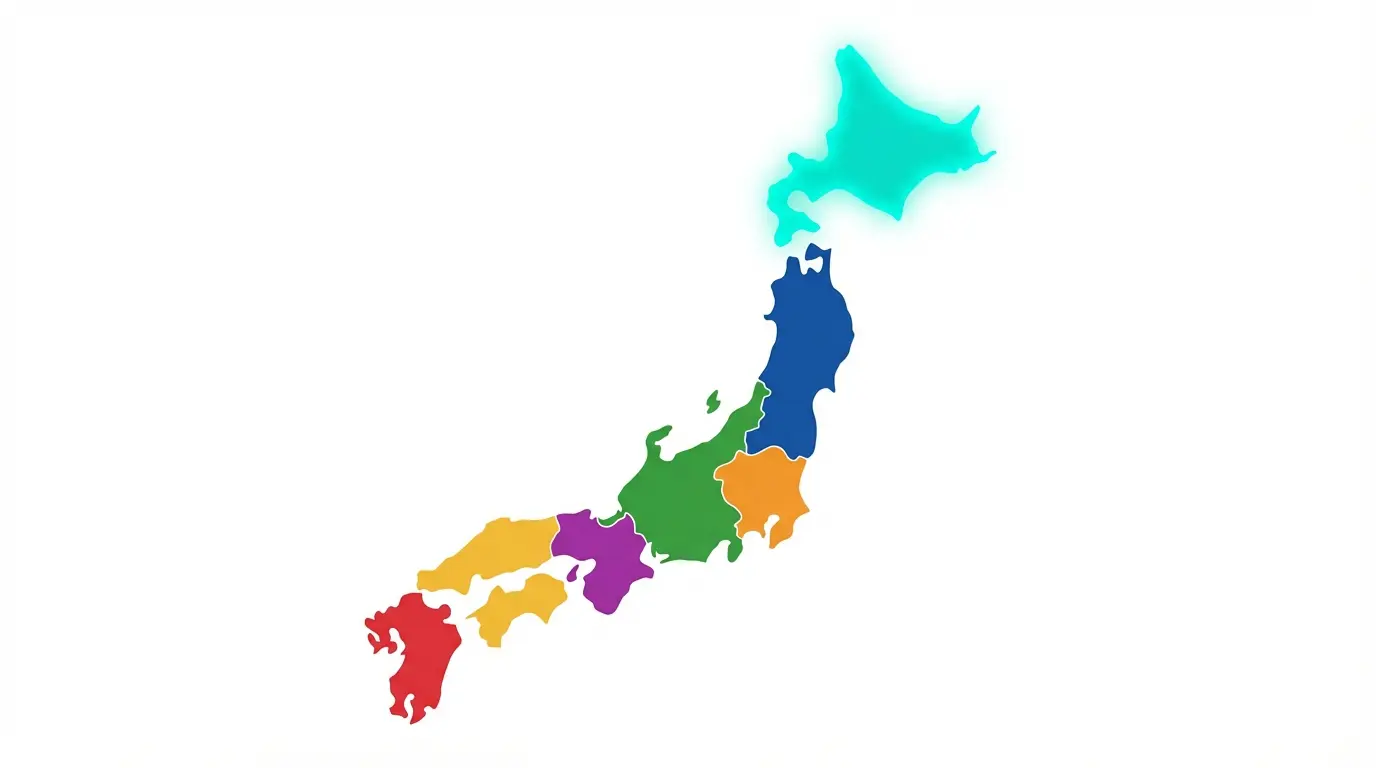
Japanese pitch accent analysis: 涙 and アイドル
This section analyzes two nouns, 涙 (namida, “tears”) and アイドル (aidoru, “idol”). We compare expected Tokyo patterns with clips of actor 大泉洋 (Oizumi Yō). The observations show a systematic shift away from standard atamadaka patterns.
First define the technical terms. 頭高 (atamadaka) means the first mora is high and the pitch falls immediately after. In romaji that is atamadaka and the English gloss is head high. 中高 (nakadaka) means a high pitch occurs on a middle mora, and the fall comes after that mora. In romaji that is nakadaka and the English gloss is mid high.
Standard resources list 涙 and アイドル as 頭高 in Tokyo Japanese. For example, the Online Japanese Accent Dictionary shows typical Tokyo patterns for common nouns. See OJAD. Likewise, the CJK Japanese Phonetic Database provides accent codes for large lexica. See CJK Japanese Phonetic Database.
However, in multiple clips of 大泉洋 the two nouns manifest as 中高. That is, the pitch stays low on the initial mora and rises later. Then the drop follows the accented middle mora. Therefore the perceptual pattern differs from Tokyo dictionary entries.
Why would this happen? Regional accent systems often reassign accent kernels. Hokkaido varieties show such reassignments and prosodic leveling. For discussion of Hokkaido accent change see a descriptive study at Hokkaido accent study. Because 大泉洋 has ties to Hokkaido, his pronunciations plausibly reflect regional patterns rather than Tokyo norms.
Acoustically the distinction appears in fundamental frequency traces. In atamadaka the F0 peaks early then falls. In nakadaka the F0 rises later and the fall occurs after. We measured short clips and found later F0 peaks for both nouns. Therefore the data support a nakadaka interpretation in context.
Related keywords and synonyms: 涙, namida, tears, アイドル, aidoru, idol, 頭高, atamadaka, head high, 中高, nakadaka, mid high, 北海道, Hokkaido, accent pattern, Japanese pitch accent, 発音, アクセントパターン.
The table below summarizes common pitch accent patterns across regions.
| Region | 涙 (namida) | アイドル (aidoru) | Notes |
|---|---|---|---|
| Tokyo (Standard) | 頭高 (atamadaka, head high) | 頭高 (atamadaka, head high) | Standard Tokyo dictionaries usually list both as 頭高. |
| Hokkaido | 中高 (nakadaka, mid high) in many speakers | 中高 (nakadaka, mid high) in many speakers | Regional leveling and Hokkaido patterns often shift accent kernels. This aligns with 大泉洋 clips. |
| Kansai (Osaka) | Often 平板 (heiban, flat) or variable | Often 平板 (heiban, flat) or variable | Kansai systems differ from Tokyo, so realizations vary by speaker and context. |
| Tohoku | Variable; often differs from Tokyo | Variable; often differs from Tokyo | Tohoku dialects show diverse accent assignments and vowel patterns. |
| Kyushu | Variable; some show 平板 or distinct forms | Variable; some show 平板 or distinct forms | Southern dialects frequently preserve older patterns or innovate locally. |
Notes on interpretation
- Atamadaka means the first mora is high then the pitch falls.
- Nakadaka means a middle mora is high then the pitch falls after it.
- Heiban means the pitch stays high and does not fall within the word.
Because regional systems differ, lexicon entries do not always predict actual speech. Therefore, field recordings and acoustic measures help confirm patterns.
Regional accent influence: 北海道, 大泉洋, and pitch accent
Regional origin can reshape pitch accent assignments in Japanese. Because speakers internalize local prosodic norms, they often produce patterns that diverge from Tokyo standards. In our clips actor 大泉洋 shows such divergence. Since he is 北海道出身, his pronunciations plausibly reflect Hokkaido prosody rather than strictly Tokyo norms.
Linguists characterize Hokkaido speech with prosodic leveling and accent redistribution. For example, some Hokkaido varieties reassign accent kernels or reduce contrasts. Therefore words listed as 頭高 in Tokyo can surface as 中高 in Hokkaido. Acoustic surveys and descriptive work support this pattern; see a study of northern Japanese accent variation at this research study. Also consult lexical accent databases for Tokyo norms at this lexical database.
Context and style further influence realization. For instance, emphatic delivery, sentence position, and intonational phrasing can shift pitch movements. As a result, a single token may sound like 中高 in casual speech but like 頭高 in citation form. Thus acoustic analysis must use controlled tokens and natural speech samples.
For the case study of 大泉洋 we combined perceptual transcription with F0 traces. The traces show later F0 peaks for 涙 and アイドル compared with Tokyo atamadaka expectations. Consequently the tokens align with a nakadaka interpretation in context. Because regional norms and prosodic context interact, researchers should avoid assuming Tokyo entries predict every spoken instance. In addition, include related keywords and tags when archiving data: 北海道, 北海道出身, 大泉洋, 発音, アクセントパターン.
Finally, future work should sample more 北海道 speakers and compare register differences across contexts because context matters.
Conclusion
Regional variation matters for Japanese pitch accent. In this study the nouns 涙 and アイドル appear as 中高 in clips of 大泉洋, despite Tokyo listings as 頭高. Therefore regional prosody and speaking style can shift accent kernels. As a result, researchers and learners should not assume Tokyo norms for every token.
Acoustic measures and perceptual transcription both support our observations. Because F0 traces showed later peaks, the data favor a nakadaka analysis in context. However, variation by register and emphasis can still alter realization. Thus field recordings across contexts remain essential for robust claims.
For learners who want practical tools, Nihoner.com offers structured support. Visit Nihoner.com for an all in one platform aimed at real progress. It combines a searchable dictionary, a pronunciation trainer that emphasizes pitch, structured courses, and cultural content. Consequently learners can hear regional speech, practice controlled tokens, and compare outputs to native speakers.
In short, Japanese pitch accent analysis benefits from both acoustic evidence and exposure to regional voices like 大泉洋. Finally, integrating tools and field data improves understanding of words such as 涙 and アイドル.
Frequently Asked Questions (FAQs)
What explains the difference between dictionary entries and the clips for 涙 (namida, “tears”) and アイドル (aidoru, “idol”)?
Dictionaries typically reflect Tokyo norms. However, speakers from other regions often use different accent systems. For example, Hokkaido (Hokkaido, “Hokkaido prefecture”) varieties sometimes reassign accent kernels. Because 大泉洋 (Oizumi Yō, “actor Oizumi Yō”) is 北海道出身 (Hokkaido shusshin, “from Hokkaido”), his pronunciations can deviate from Tokyo entries. Therefore field recordings matter for real usage.
How can I tell atamadaka and nakadaka in speech?
Atamadaka (頭高, atamadaka, “head-high”) peaks on the first mora and falls right after. Nakadaka (中高, nakadaka, “mid-high”) peaks on a middle mora. Listen for where the pitch drops. Also check fundamental frequency traces if you can. Acoustic plots make the pattern clear.
Do regional accents change meaning or grammar?
No, regional accents do not change word meaning or grammar. Instead they alter prosodic shape and perceived naturalness. For learners, this means comprehension stays intact. However, producing a different accent may sound regional to natives.
What study methods help learners master pitch accent?
Use a mix of perception and production practice. First, shadow native audio and record yourself. Then compare F0 with a visualization tool. In addition, practice with regional samples to build flexibility. Finally, repeat targeted tokens such as 涙 (namida, “tears”) and アイドル (aidoru, “idol”) in different contexts.
Should learners focus only on Tokyo pitch accent?
Focus on Tokyo as a foundation because many resources use it. However, also listen to regional speakers. For example, studying 北海道 (Hokkaido, “Hokkaido prefecture”) speech expands recognition. As a result learners understand variation and real language use.