How does pitch accent shape Japanese pronunciation?


pitch accent in Japanese: why tiny pitch shifts change meaning and fluency
Pitch accent describes how pitch rises and falls across a word. In Japanese, pitch accent often shapes naturalness and sometimes meaning, so learners should pay attention. This article adopts an inquisitive and analytical tone. Therefore it will unpack fundamental patterns and practical implications for learners.
We focus on two common patterns: 平板 (heiban, flat pitch) and 尾高 (odaka, tail high pitch). Heiban typically keeps the pitch high after the first high mora, producing an even contour. Odaka usually drops before the final mora, which leaves the end relatively high. Consequently, these patterns affect particle pitch and overall rhythm.
To make analysis concrete, we compare real YouTube listening examples from speakers in different regions. Then we present targeted drills for production and perception. Along the way, we mention related concepts such as 中高 (nakadaka, middle-high), 標準語 (hyoujungo, standard Japanese), mora timing, intonation, and NP terracing. By the end, you will know what to listen for and how to practice effectively.
pitch accent: characteristics of flat (平板 heiban) and odaka (尾高 odaka)
Flat and tail high are two common Japanese pitch accent types. Heiban is written 平板 with romaji heiban. It means flat or level in English. Odaka is written 尾高 with romaji odaka. It means tail high in English. Both shape naturalness and sometimes meaning.
Heiban features
- Heiban usually starts low and then rises on the first high mora. After that, the pitch stays high across the word and particles. Therefore particles sound high after heiban words.
- As a result, speech rhythm feels even and leveled. This pattern often makes sentences flow smoothly.
- For learners, heiban reduces abrupt drops. Consequently it helps maintain a steady pitch for multiword phrases.
Odaka features
- Odaka typically keeps the highest pitch on a mora before the final one. After that high, the pitch drops on the final mora and then stays low on particles. However the final mora itself may still sound prominent.
- Because of the drop before the end, odaka gives words a falling finish. Therefore listeners perceive a clear end to the word.
- Odaka often alters particle pitch. For instance particles after odaka words start low. This change affects phrasing and perceived emphasis.
Why these patterns matter
- Pitch accent can distinguish homophones, so learners should listen closely. For example small pitch shifts separate otherwise identical words. For practice, consult the Online Japanese Accent Dictionary for concrete listings and audio. Moreover NHK provides reliable listening resources at NHK Learn Japanese to compare real speech.
- Finally, noticing whether a word is heiban or odaka reveals how particles and following words will sound. Therefore focusing on these patterns improves both comprehension and natural production.
Quick reference table: pitch accent patterns
| Pitch pattern | Japanese term and romaji (English) | Example pattern (romaji, schematic pitch contour) | Effect on meaning and speech rhythm | Typical regional usage |
|---|---|---|---|---|
| Flat | 平板 heiban (flat) | tabemono (ta-be-mo-no) — rise then level (L H H H) | Keeps particles high. Produces even, leveled rhythm. Can neutralize sudden drops. | Common in many Tokyo-based and other varieties |
| Tail high | 尾高 odaka (tail high) | schematic: ki-ku-a — rise then fall on final (L H L) | Ends with a fall before the last mora. Signals word boundary. Helps distinguish homophones. | Frequent in Tokyo standard; varies in Kansai such as Osaka |
| Middle high | 中高 nakadaka (middle-high) | schematic: sa-ku-ra — rise then mid-word peak then fall (L H L L) | Creates an internal peak. Changes where particles start low or high. Affects emphasis and rhythm. | Appears across dialects; distribution differs by lexicon |
| Standard reference | 標準語 hyoujungo (standard Japanese) | not a single contour; a reference system of labels | Serves as the dictionary and teaching norm. Guides learners about expected contours. | Based on Tokyo accent but not exclusive; real speech varies |
Note: examples here are schematic. For exact accents, consult accent databases and listening samples.
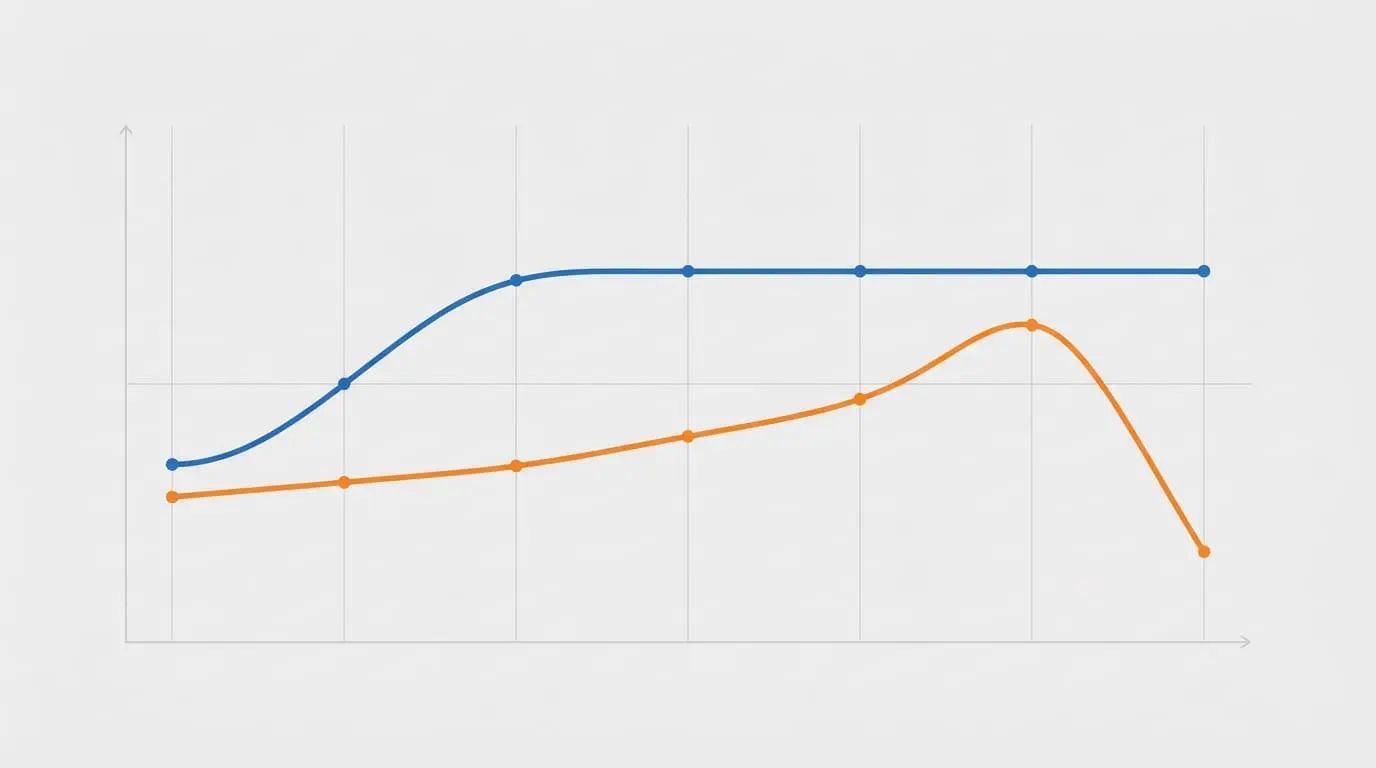
pitch accent in real speech: analysis of YouTube examples and user observations
Listening to many YouTube samples reveals how flexible pitch accent can be in real speech. The recordings often differ from textbook labels. For instance one speaker from Osaka shows local tendencies that diverge from Tokyo 標準語 (hyoujungo). Therefore learners must treat single examples with caution.
Key observations from the sample set
- Variation by dialect: Osaka speakers sometimes push pitch patterns toward regional contours. As a result, words that appear heiban in Tokyo may sound more nakadaka or odaka in Kansai.
- Mixed evidence across tokens: Samples labeled 1.1, 1.2, 1.3 sounded like 中高 nakadaka. Meanwhile tokens 2 through 5 resembled 尾高 odaka. Finally samples 6 through 9 sounded 平板 heiban. Consequently no single pattern fit every recording.
- NP terracing effects: In some YouTube clips, の (no) linking phrases caused terracing. Thus a word’s pitch pattern shifted when embedded in phrases.
User doubts and community discussion
Several learners posted doubts on Japanese Stack Exchange and other forums. One wrote, “I thought it was a 平板 word but after listening to dozens of YouTube samples I am not sure any more.” Another asked, “What is its 標準語 pitch? Or are there multiple?” These quotes capture common confusion.
What the patterns tell us linguistically
- Context matters. Pitch accent interacts with speech rate, emphasis, and particle placement. Therefore a single dictionary label cannot capture all surface realizations.
- Regional norms guide expected contours, but individual variation remains large. For example Osaka prosody shows systematic differences from Tokyo 標準語, yet overlap occurs.
- For learners, triangulate sources. Use recorded speech on YouTube at YouTube, cross-check with accent databases such as OJAD, and consult community discussions at Japanese Stack Exchange.
In short, YouTube examples teach you to listen for patterns, not absolutes. By comparing many tokens and contexts, you sharpen perception and avoid mislabeling words.
Conclusion: master pitch accent with Nihoner
Understanding pitch accent unlocks key pronunciation nuances in Japanese. It affects rhythm, particle pitch, and sometimes meaning. Therefore learners who study accent sound more natural and comprehend spoken Japanese better.
Nihoner.com supports this learning path with focused, practical features. It provides a large dictionary with native style pronunciation and pitch marked audio. Users can hear multiple samples and compare contours side by side.
Pronunciation trainers and guided drills help you imitate and refine contours. Smart SRS flashcards and adaptive quizzes reinforce accurate recall over time. Moreover courses span beginner to advanced skill levels to match study goals.
The platform also offers cultural content and listening activities. Thus you learn how pitch patterns appear in real speech and discourse. As a result your ear becomes sensitive to heiban, odaka, and nakadaka differences.
Consequently your spoken Japanese sounds more fluid and native like. Finally Nihoner helps you turn abstract pitch accent theory into practical skill. Use the tools consistently and you will progress confidently in listening and spoken production.
Frequently Asked Questions (FAQs)
What is pitch accent and why does it matter for learners?
Pitch accent refers to systematic pitch changes across a word. In Japanese pitch accent affects rhythm and sometimes meaning. Therefore it makes speech sound natural and clear to native listeners. For learners, mastering basic patterns improves comprehension and spoken confidence.
How do flat 平板 heiban and tail high 尾高 odaka actually differ?
Heiban 平板 heiban rises early then stays high across the word and particles. Odaka 尾高 odaka peaks before the final mora and drops on the last mora. As a result particles after heiban sound high, while particles after odaka often sound low. These contrasts change perceived word endings and rhythm.
Can pitch accent change word meaning in Japanese?
Yes, pitch accent can separate homophones in some cases. For example identical segment strings can mean different things when the pitch pattern changes. However not every minimal pair differs only by accent. Still, listening for pitch accent helps you avoid misunderstandings.
What are good ways to practice listening and checking real speech?
Use YouTube to gather varied native samples, and slow playback when needed at YouTube. Next, cross check with the Online Japanese Accent Dictionary for labeled contours and audio. Also consult NHK learning materials to hear standard pronunciations. Finally ask focused questions on community sites like Japanese Stack Exchange when you spot inconsistencies.
Should beginners focus heavily on pitch accent from day one?
Beginners should learn pitch accent gradually, not obsessively. First build clear segmental pronunciation and basic intonation. Then add pitch accent drills to improve naturalness. Over time your ear will pick up heiban, odaka, and nakadaka patterns, which will boost both listening and speaking skills.