How to pick English-to-Japanese dictionaries for sense disambiguation?


Navigating the world of English-to-Japanese dictionaries for sense disambiguation can be a daunting task. Imagine trying to translate the English word “join” and struggling to find the right context among a sea of possibilities. This is a common challenge for many language learners, who often rely on digital resources like Jisho and JPDB for assistance. However, while these dictionaries excel in Japanese-to-English translations, they often fall short when the query is from English to Japanese. For instance, the word “join” could mean “attend,” “connect,” “combine,” or even “converge.” Yet, seeking its exact nuance in these online tools might lead to confusing results without much guidance on its varied meanings.
This highlights the growing need for more sophisticated tools that can provide clarity and context when learning Japanese. As traditional paper dictionaries give way to digital solutions, users continue to seek an efficient and comprehensive method for accurate translations. More than ever, there’s a pressing need for English-to-Japanese dictionaries that cater to the complexities of sense disambiguation, offering precise insights into words like “join” to bridge the gap in understanding between these two languages.
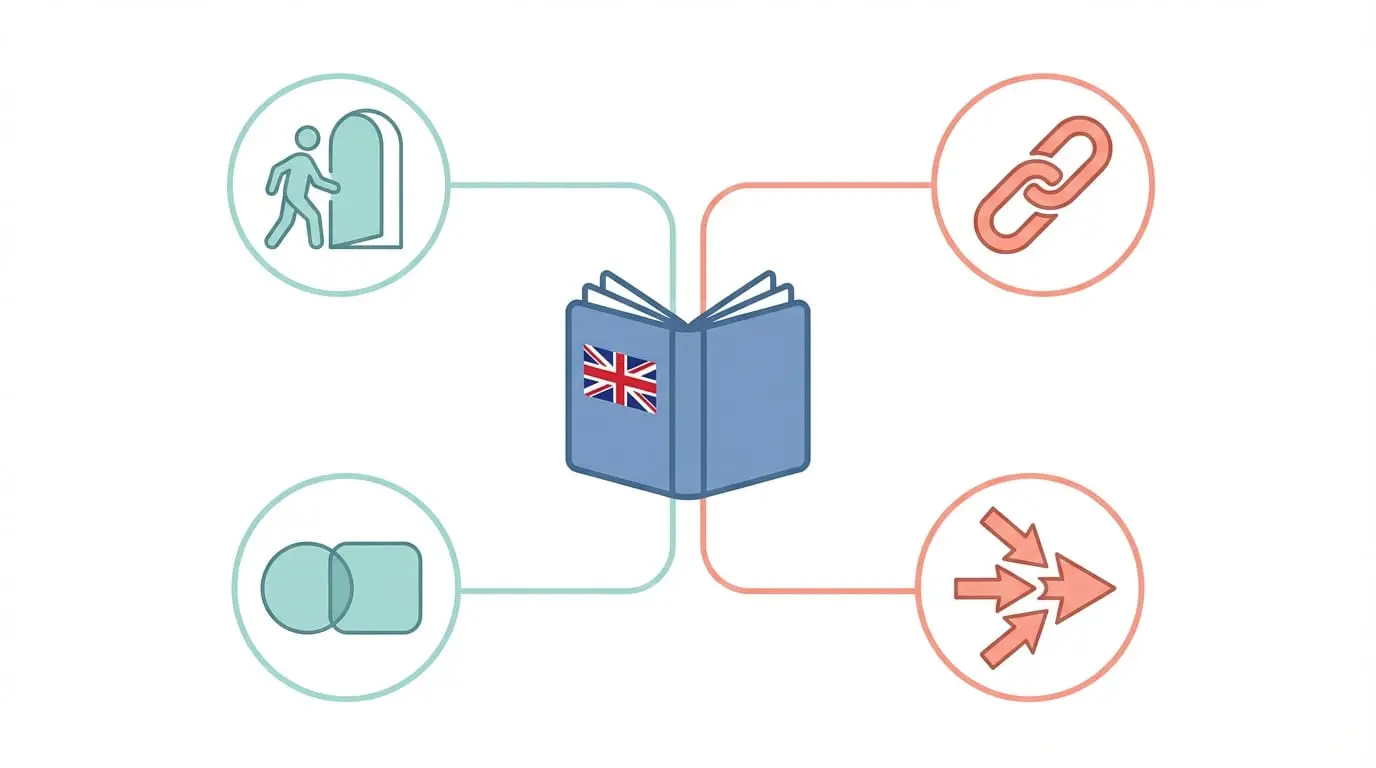
Limitations of Popular Online Dictionaries for English-to-Japanese dictionaries for sense disambiguation
Free online sites like Jisho and JPDB help many learners. However, they show limits when users search from English to Japanese. As one user put it, “Free online dictionaries like Jisho or JPDB are great for Japanese->English lookups, but not so great the other way around.” Because those sites focus on Japanese entries, they list many Japanese senses without guiding which sense matches an English context.
For example, the English verb join can mean attend, connect, combine, or converge. Yet when a learner types join, the results often return long lists of Japanese terms. Therefore, the learner must guess which term fits the sentence. In practice this adds time and error to translations. Another user reported, “For example: the word ‘join’ can mean a lot of different things in different contexts.” As a result, these tools feel less helpful for precise sense disambiguation.
Beyond example lists, free dictionaries often lack context sentences tailored for English queries. They also rarely rank Japanese equivalents by likelihood given an English sense. Consequently, learners miss signals that clarify nuance. For alternatives, consult broader bilingual resources such as Weblio for rich example sentences. Also see WordReference for cross-language discussion threads and usage notes. These external sites sometimes fill gaps in practical use and community-sourced nuance.
In short, free Japanese-to-English dictionaries remain excellent for lookup in one direction. Yet, when the lookup starts in English, they provide less targeted help for choosing the right Japanese term. Therefore better digital solutions are necessary for reliable sense disambiguation.
| Dictionary Tool | Target user | Availability | Strengths | Weaknesses for sense disambiguation and contextual usage |
|---|---|---|---|---|
| Jisho | English learners and Japanese learners, used mostly for Japanese to English lookup | Web and third party mobile apps | Fast Kanji lookup, clear example sentences, and simple interface | Focuses on Japanese headwords, so English queries return many Japanese senses without guidance, therefore context matching is harder |
| JPDB | Learners and researchers seeking Japanese headword detail | Web | Large database and morphological details, good for corpus style research | Not designed to map English senses to Japanese directly, so learners must guess the best equivalent |
| Shirabe | Intermediate and advanced learners who want detailed entries | Web | Detailed definitions and historical notes | Entries prioritize Japanese senses, and they rarely rank equivalents by English meaning, thus context selection is unclear |
| ウィズダム英和辞典 (Wisdom Eiwa Jiten) | Primarily Japanese learners of English | Print and paid digital editions | High quality English definitions tailored to Japanese readers, strong sense distinctions | Aimed at Japanese speakers, so it does not solve English to Japanese lookup needs for English speakers; digital versions are often paid |
| 新和英大辞典 (Shin Wa Ei Daijiten) | Primarily Japanese learners of English | Print and paid digital editions | Comprehensive coverage and nuanced sense notes | Like other Eiwa dictionaries, it presumes a Japanese perspective and is less convenient for English to Japanese lookup |
What to Look for in English-to-Japanese Dictionaries for Sense Disambiguation
Below are practical features and functionalities that make a dictionary genuinely useful when you need to pick the right Japanese equivalent.
- Digital accessibility
- Web and mobile apps ensure you can look up words on the go. Therefore prioritize services with responsive web design and dedicated mobile apps. This reduces friction and lets you cross-check usage in real time.
- Clear contextual examples for each sense
- Provide multiple example sentences for each English sense, and show corresponding Japanese translations. Because a single English lemma often maps to different Japanese words, example-driven layouts clarify nuance quickly.
- Sense labels and sense grouping
- Group translations by sense and label them with short explanations. As a result, learners can scan likely matches instead of reading an undifferentiated list.
- Frequency and register indicators
- Include notes on formality, frequency, and region. For example, show whether a Japanese equivalent is colloquial, polite, or rare. This helps match tone and pragmatics.
- Bidirectional cross-links and reverse lookup
- Support both English-to-Japanese and Japanese-to-English searches with linked entries. Consequently, you can confirm that a chosen Japanese word maps back to the intended English sense.
- Ranked suggestions and probability cues
- Rank candidate translations based on corpus frequency or contextual likelihood. Therefore users see the most probable equivalents at the top.
- Rich example corpora and citations
- Pull sample sentences from news, literature, and conversational corpora. Also, cite sources so users can verify context.
- Community notes and discussion threads
- Allow users to comment on tricky senses or ask usage questions. WordReference Spanish is often cited as a useful model because it combines dictionary entries with active forum discussions and usage notes. Therefore, a similar community layer for English-to-Japanese lookups would help capture nuance and edge cases.
- Ease of use and minimal cognitive load
- Provide a clean interface, keyboard shortcuts, and copy/paste friendly results. Because learners often need quick answers, prioritize speed and clarity.
- Offline support and exportable data
- Offer downloadable databases or offline dictionaries for study and integration into language tools.
In short, effective English-to-Japanese dictionaries for sense disambiguation combine digital accessibility, clear examples, sense grouping, and community-driven insights. Together these features reduce guesswork and make it easier to pick the correct Japanese word for a given English sense.
Conclusion
Sense disambiguation remains one of the toughest problems when translating from English to Japanese. Free tools like Jisho, JPDB, and Shirabe often work well the other way around. However, when English speakers need a precise nuance, results can confuse rather than clarify.
Therefore learners need dictionaries that map English senses to Japanese equivalents clearly. Specifically, tools should provide smart search, ranked suggestions, and multiple context sentences. Additionally, native style pronunciation and register labels help match tone and usage. Community notes and reverse lookup confirm choices and reduce guesswork.
In response, Nihoner.com offers a single platform designed for English speakers learning Japanese. It combines a large dictionary, smart search, native style pronunciation, and contextual usage examples. Moreover, it provides ranked suggestions, bidirectional links, and example corpora from real contexts. Try it to make steady progress and build translation confidence.
Because clear, contextual tools speed learning, progress becomes measurable and satisfying. Therefore learners can trust their choices and speak or write with greater confidence.
Frequently Asked Questions (FAQs)
What is sense disambiguation and why is it hard for English-to-Japanese lookups?
Sense disambiguation means choosing the right translation for one word. English words often map to several Japanese words. Because Japanese encodes politeness, nuance, and grammar differently, a single English lemma rarely gives a clear match. Therefore you need context and example sentences to decide correctly.
Which digital dictionaries or resources help most with English-to-Japanese sense disambiguation?
No single free site solves everything. However, Weblio gives many example sentences. Also, WordReference offers discussion threads and usage notes. In addition, newer platforms that combine smart search and context examples perform better for English speakers.
How should I handle ambiguous words like join in a lookup?
Always start with a full example sentence. Then check register and frequency. Next, reverse lookup the candidate Japanese words to confirm meaning. Finally, prefer examples drawn from real corpora.
Are mobile or offline dictionaries important?
Yes they matter. Mobile apps speed up reviews and help when you speak. Offline dictionaries help study without internet. Therefore pick tools with both web and app support.
What quick tips help learners avoid wrong word choices?
Keep sentences short when testing translations. Also note formality, and double check with reverse lookup. Use community notes when uncertain. Above all, collect example sentences and review them often.