How Does Japanese handwriting improvement boost kanji speed?


Japanese Handwriting Improvement
Japanese handwriting improvement matters if you want clear, fast kanji and kana for daily use.
Many learners feel stuck between neatness and speed.
Therefore this introduction will map the problem and offer a practical path forward.
Writing Japanese scripts poses special challenges because kanji contain many strokes.
However, when you rush, characters blur and become unreadable.
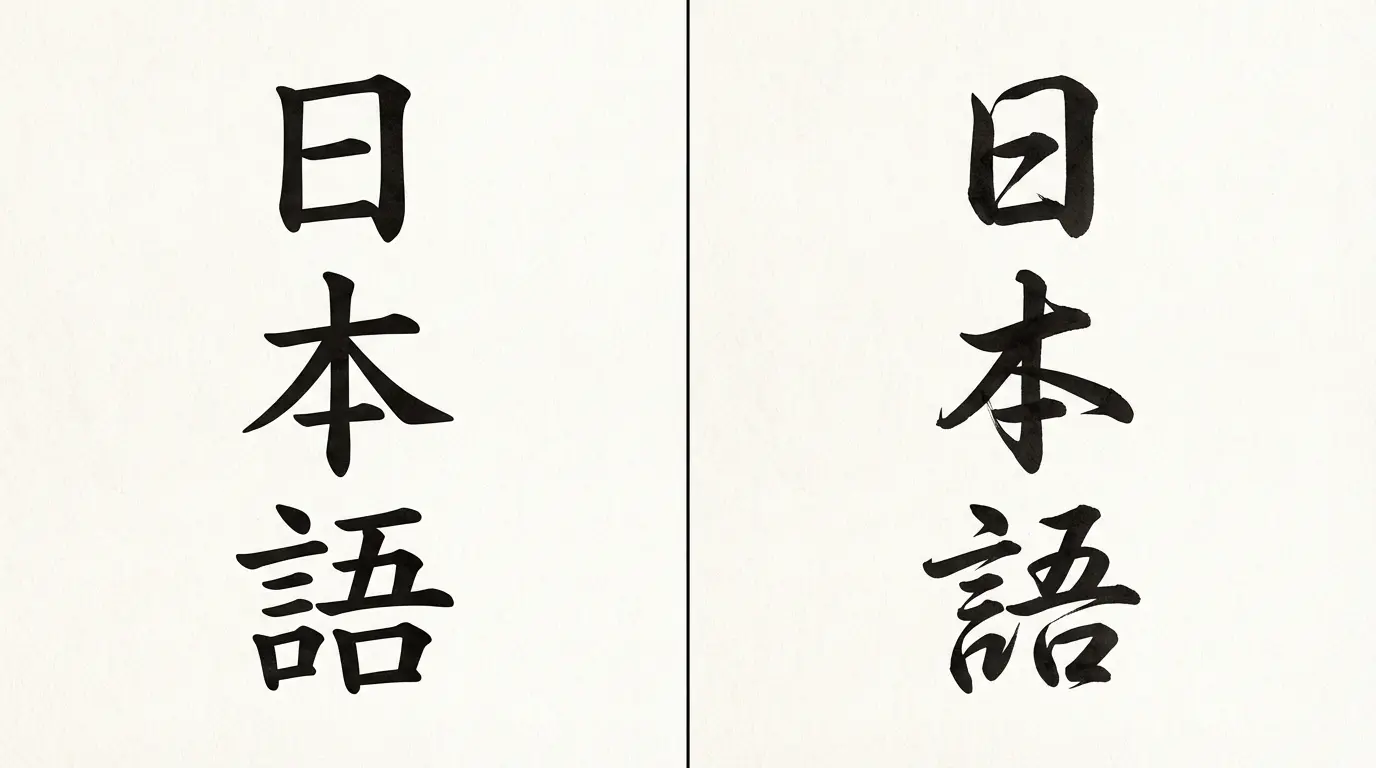
Teachers often suggest moving from kaisho standard script to a gyousho semi-cursive style to increase speed.
Yet you should avoid over-simplifying kanji to the point of losing recognition.
Meanwhile, kana readability matters just as much for notes and exams.
Because stroke order underpins both speed and legibility, practice must include deliberate drills.
This guide focuses on concrete drills, rhythm, and small cursive adjustments to help you write faster while staying legible.
Read on to learn stroke-order tips, kana clarity hacks, and practice plans that fit busy lives.
These techniques suit learners aiming for practical handwriting, not calligraphy competitions.
Why stroke order matters for Japanese handwriting improvement
Correct stroke order trains your hand to move efficiently. Because strokes follow a predictable path, you write with fewer hesitations. As a result you gain speed without losing shape. Moreover correct order creates consistent proportions. That consistency improves readability for both kanji and kana.
Stroke order boosts speed and clarity in three ways
- Fewer pen lifts reduce wasted motion, so you write faster.
- Predictable stroke paths build muscle memory, so shapes stay stable at speed.
- Proper stroke flow supports cursive transitions, which helps when you move toward gyousho semi cursive.
Practical tips to memorize stroke order
- Chunk complex characters into radicals. For example practice the 周 part of 週 first. Then add the 辶 movement radical.
- Trace and copy animated guides slowly at first. Then increase tempo while keeping shape. For animations, try Tofugu or WriteChinese.
- Use squared practice paper to keep proportions consistent. Grid guides anchor horizontal and vertical balance.
- Apply spaced repetition. Practice hard kanji in short, daily bursts.
- Say radical names aloud as you write. This multi sensory trick helps retention.
Example: practicing 週 (shuu)
- Break it into 周 plus 辶. First master the inner 口 shape. Next complete the enclosing strokes. Finally write the left movement radical in three quick strokes.
- Drill the full kanji in sets of five, focusing on rhythm and minimal pen lifts. Increase speed only when shapes remain clear.
These methods make correct stroke order automatic. Therefore you can write more quickly while staying legible.
Gyōsho benefits for Japanese handwriting improvement
Gyōsho, or semi cursive script, offers a practical middle ground between speed and clarity. Because gyōsho connects strokes more smoothly, it reduces pen lifts and wasted motion. As a result you can write faster while keeping core shapes intact. By contrast, kaisho, or standard script, emphasizes distinct, isolated strokes. Kaisho helps beginners learn structure, but it slows paced note taking.
Some learners are advised to “stray away from 楷書 and try to write in a more cursive-like script like 行書, which is more fluid”. (Explanation: 楷書 kaisho, kaisho: standard script; 行書 gyōsho, gyōsho: semi cursive script. Romaji and meaning provided to clarify usage.) However we must preserve recognizability. You should not over simplify kanji to the point of losing meaning. Instead aim for controlled flow and readable shortcuts.
Practical steps to start practicing gyōsho
- Master kaisho structure first. Because gyōsho builds on those forms, a kaisho base prevents illegible shortcuts.
- Practice connecting adjacent strokes. Start by linking two strokes, then three, while keeping proportions stable.
- Use model sheets that show gradual simplification. Trace models slowly, then speed up in timed drills. For background on script differences and practice tips, see this primer: this primer.
- Maintain stroke order and rhythm. Proper order supports natural cursive transitions and keeps characters recognizable.
- Compare your writing to examples and adjust only small elements. Meanwhile avoid erasing character structure for the sake of speed. More resources on practical training are available here: this resource and this resource.
With steady practice gyōsho improves pace without sacrificing legibility. Therefore it suits learners who need readable handwriting for real world use.
| Style name | Description | Impact on writing speed | Impact on legibility | Recommended use cases |
|---|---|---|---|---|
| Kaisho (楷書) | Standard block script with clear separate strokes. | Slow because it requires many pen lifts. | Very high when written carefully. | Exams, formal writing, learning structure. |
| Gyōsho (行書) | Semi cursive that links strokes while keeping basic shapes. | Faster because it reduces pen lifts and motion. | High if you preserve structure; slightly less than kaisho. | Daily notes, study summaries, faster handwritten work. |
| Cursive script (草書 sōsho) | Highly flowing script where many strokes merge. | Very fast after practice. | Low for general readers; often hard to read. | Personal shorthand, calligraphy, artistic work. |
| Simplified quick techniques | Informal shortcuts and personal abbreviations. | Fastest; varies by habit and training. | Often low; can become unreadable quickly. | Quick memos, private notes; avoid in tests or shared documents. |
Use the table to match your goals. Therefore pick kaisho for clarity, and gyōsho for balanced speed and legibility.
Summary and Next Steps for Japanese Handwriting Improvement
Start with the essentials and practice consistently. Focus on correct stroke order to build muscle memory, because fewer hesitations lead to faster, more consistent shapes. Also prioritize kana clarity alongside kanji, since quick notes must remain readable to others.
Adopt gyōsho carefully. Master kaisho first, and then practice small, controlled cursive connections while keeping structure intact. However avoid over simplifying characters; maintain core components so readers recognize each kanji.
Use short, frequent drills rather than long sessions. For example do five repetitions of troublesome kanji, then repeat after short breaks. Meanwhile use squared practice paper and timed warmups to keep rhythm and proportion.
Finally, try a single learning platform that supports all these steps. Nihoner.com offers an integrated approach with a searchable dictionary, pronunciation tools, structured courses, and cultural lessons that link handwriting practice to real life. Therefore it can help you move from slow, over careful writing to fast, legible handwriting that works in daily life and study.
Frequently Asked Questions (FAQs)
How can I write faster without losing legibility?
Focus on correct stroke order and gradual cursive adjustments. Practice short timed drills and use squared paper to keep proportions. Increase speed only when shapes stay clear.
Is stroke order really that important?
Yes. Because stroke order builds muscle memory, you reduce hesitations and pen lifts. As a result your writing becomes faster and more consistent.
When should I start learning gyōsho?
Start gyōsho after you master kaisho structure. Then link two or three strokes at a time and compare to model sheets. Maintain core shapes to avoid unreadable shortcuts.
How do I keep kana readable at speed?
Keep standard forms for similar kana and practice common kana pairs. Also slow down only for ambiguous shapes, then speed up once consistent.
Can I use quick shortcuts in exams or shared notes?
Avoid personal shortcuts in exams or shared documents. For private notes you may use shortcuts, provided you can still read them later.