How to plan Lesser-known Shinkansen stops Tokyo to Kyūshū?


Lesser-known Shinkansen Stops from Tokyo to Kyūshū
Lesser-known Shinkansen stops Tokyo to Kyūshū unlock quiet wonders that many travelers overlook. Along the Tōkaidō, San’yō and Kyūshū Shinkansen lines, small stations lead to big discoveries. Because these stops fall outside guidebook highlights, they reveal authentic food, history, and nature. For example, ekiben markets, local hot springs, and overlooked castles reward curious riders.
This guide previews hidden gems from Onomichi’s cycling links to Mt Aso’s volcanic trails. However, the appeal extends beyond scenery to festivals, craft foods, and relaxed seaside towns. You will learn when to hop off, what to taste, and how to save time on tickets. Also, we include transit tips, scenic seat choices, and short detours that add big value.
Read on to turn fast Shinkansen rides into a string of memorable stops and unique experiences. We’ll point out scenic seat sides for Mt Fuji views and ferry links to Sakurajima. Therefore, whether you favor food, history, or nature, these stops reward curiosity richly. Expect local highlights like Kumamoto Castle, Ghibli Park, and regional ramen scenes in Fukuoka.
Lesser-known Shinkansen stops Tokyo to Kyūshū: Onomichi, Kumamoto and more
Stretching from Tokyo to Kyūshū, several lesser-known Shinkansen stops unlock regional charms. Because express trains race by, small stations hide rich experiences. Visit these notable stops for food, scenery and culture.
- Onomichi — A gateway to the Shimanami Kaidō cycling route. Ride across islands or take the ropeway to Senkō-ji Park. Also sample local seafood and temple trails.
- Himeji — Famous castle sits near the Shinkansen station. However, many visitors miss the reconstructed Edo garden. Therefore add an hour for quiet strolls.
- Kumamoto — Explore Kumamoto Castle and nearby Tamana Onsen towns. Mt Aso sits within easy reach, offering hiking and hot springs.
- Fukuoka Hakata — Taste Hakata ramen and vibrant yatai street food stalls. Also connect to museums and a lively city scene.
- Kagoshima-Chūō — Enjoy waterfront views of Sakurajima across the bay. Take a short ferry for island hikes and unique volcanic snacks.
- Nagoya — Stop for Ghibli Park and family attractions. It makes a great detour between Tokyo and western Japan.
Travel tip: choose window seats for Mt Fuji views. Also buy ekiben at station stalls for regional flavors. With short detours, the high-speed route becomes a string of local discoveries, truly.
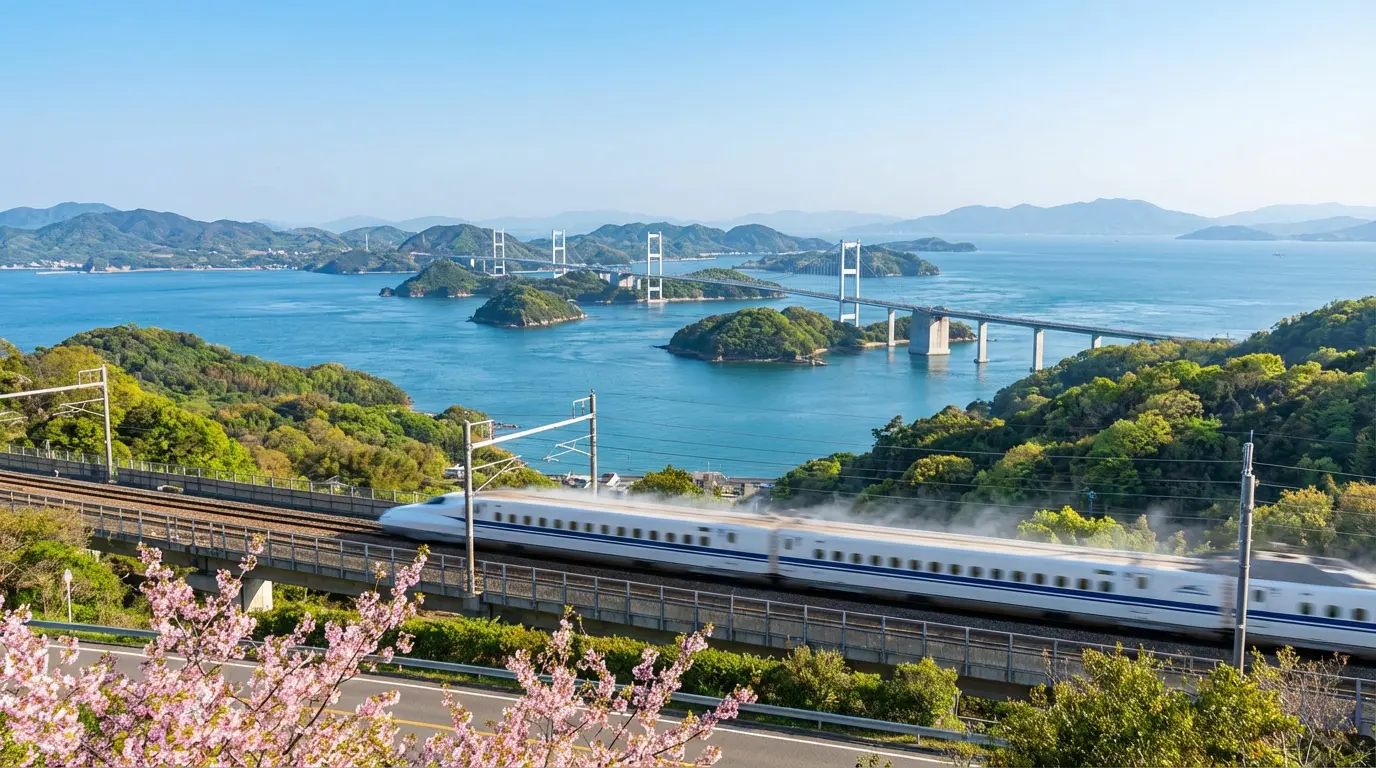
Activities at Lesser-known Shinkansen stops Tokyo to Kyūshū
- Himeji (Tōkaidō Shinkansen) — Walk the hilltop Himeji Castle and then unwind in the reconstructed Edo garden. Because the castle dates back to the 14th century, it rewards history fans. Visit the official site for hours and access: Himeji Castle. Also allow time for a tea break in nearby streets.
- Onomichi and the Shimanami Kaidō — Rent a bike to cross the 60-kilometer island chain. The route links Onomichi to Shikoku, and it features scenic bridges and tiny island cafes. Find practical guides here: Shimanami Kaidō Guides. Therefore plan a full day or pick a short island loop.
- Kumamoto and Mt Aso — Tour Kumamoto Castle ruins and hot-spring towns. Mt Aso offers caldera hikes and wide views, though volcanic activity can close areas. See visitor details at: Mt Aso Visitor Information. Meanwhile soak in Tamana Onsen for calm, local baths.
- Kagoshima-Chūō — Ride a short ferry to Sakurajima for dramatic volcanic scenery. Also try local seafood and the quirky volcanic ash ice cream.
Travel note: pack comfy shoes, sample station ekiben, and reserve tickets online to save time. Also choose window seats for Mt Fuji views. Consider booking Shinkansen tickets through Triplabo to avoid long station queues for stress-free travel and enjoy.
| Stop Name | Shinkansen Line | Main Attractions | Unique Features | Travel Tips |
|---|---|---|---|---|
| Mihara (Onomichi access) | San’yō Shinkansen / local link | Shimanami Kaidō cycling start, Senkō-ji ropeway, island cafes | Quiet port town, scenic bridges and island loops | Rent a bike, plan a full day, take the ropeway to Senkō-ji |
| Himeji | Tōkaidō / San’yō Shinkansen | Himeji Castle, reconstructed Edo garden | Best preserved hilltop castle, photogenic grounds | Arrive early, visit the garden, check opening hours |
| Kumamoto | Kyūshū Shinkansen | Kumamoto Castle, Mt Aso caldera, hot springs | Castle restoration meets volcanic landscapes | Watch volcanic advisories, soak in Tamana Onsen |
| Hakata (Fukuoka) | Kyūshū Shinkansen | Hakata ramen, yatai food stalls, museums | Vibrant food scene and lively night stalls | Try yatai at night, use Hakata as a hub for short trips |
| Kagoshima-Chūō | Kyūshū Shinkansen | Sakurajima views, ferry to island, waterfront | Laid-back port city with volcanic coast | Take a short ferry, sample volcanic ash ice cream |
| Nagoya | Tōkaidō Shinkansen | Ghibli Park, LEGOLAND, Museum Meiji Mura | Great family detour between Tokyo and west Japan | Book theme park tickets in advance |
| Mishima | Tōkaidō Shinkansen | Mt Fuji viewpoints, plum gardens | Clear sightlines to Mt Fuji on the right side | Choose a right-hand window seat, check weather |
Exploring lesser-known Shinkansen stops from Tokyo to Kyūshū reveals a Japan many travelers miss. These short detours reward curiosity with local food, quiet shrines, and dramatic landscapes. Because high-speed trains encourage point-to-point travel, stopping often brings big cultural returns. You can taste regional ekiben, ride the Shimanami Kaidō, or soak in Tamana Onsen near Kumamoto. Meanwhile, Himeji offers a serene Edo garden beside its famous castle, and Kagoshima’s Sakurajima feels like another world.
Travel smart by choosing scenic seats and booking tickets online. Also, pack a comfy daybag to explore on foot. For language learners and cultural explorers, Nihoner.com links study with real travel. It offers lessons, cultural notes, and practical phrases for station life. Therefore, learners can order food, ask for directions, and deepen connections during visits. Start with a single stop and build a longer route over time. In short, venture beyond the major stops. You’ll find stories, flavors, and landscapes that make the Shinkansen journey unforgettable.
Frequently Asked Questions (FAQs)
Can I get off the Shinkansen at lesser-known stops without extra cost?
You can if your ticket covers the segment that includes the stop. However, single-segment tickets only allow travel between the start and end stations printed on the ticket. Therefore consider flexible passes or booking separate tickets for planned detours. Also reserve seats when possible to avoid standing on busy services.
How much time should I plan for a short detour from the high-speed route?
For many stops, two to four hours works well. For example, a quick castle visit or an ekiben lunch fit that window. However, full activities like cycling the Shimanami Kaidō or hiking near Mt Aso need a half-day or more. Therefore check transit time and local transport before you hop off.
Which side of the train offers the best scenic views?
Choose the right-hand window between Shizuoka and Mishima for Mt Fuji sights. Conversely, pick the left side when traveling the opposite direction. Also pick window seats near the front cars for unobstructed views on most lines.
Are attractions like Mt Aso and Kumamoto Castle always open?
Many sites run year-round, but natural sites can close. For example, volcanic activity may restrict Mt Aso trails. Check official advisories such as this link before you visit. For Himeji Castle hours and access details, see this link.
How can I make the most of short stops and save time?
Pack comfy shoes and a small bag, buy ekiben at stations, and reserve Shinkansen seats. Also plan one highlight per stop to avoid rushed itineraries. Finally, book tickets and passes online ahead of time to spare station queues.