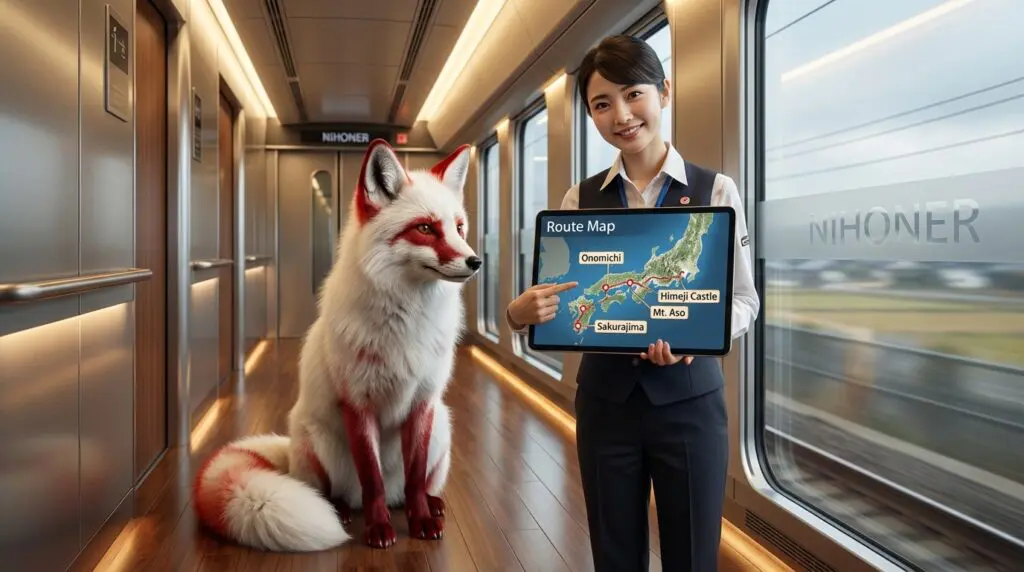
Exploring 5 Lesser-Known Shinkansen Stops from Tokyo to Kyūshū?


5 Lesser-Known Shinkansen Stops from Tokyo to Kyūshū
Highlights secret stations worth visiting. Travelers who love trains and culture will enjoy this route. Along the Tōkaidō, San’yō and Kyūshū lines you will find scenic views and quiet towns.
Each stop offers cultural surprises, from local shrines to coastal viewpoints. However, these places rarely make guidebooks, so they stay peaceful. Because trains move fast, you can reach diverse landscapes in a single day. Therefore this guide helps you plan short detours. They reward you with local flavors, temples and skyline views.
If you crave less crowded experiences and authentic encounters, read on. We will point you to overlooked stations like Onomichi and lesser Kyūshū stops for unexpected discoveries. Moreover, we include practical tips on timing, viewing points, and quick local eats. As a result, you can plan rail trips that feel personal and memorable.
Expect vivid coastal panoramas, volcanic backdrops and small city charms off the beaten track. We also explain how to buy QR Shinkansen tickets and pick seats for Mt Fuji views. Start your adventure now and let the high-speed route surprise you.
5 Lesser-Known Shinkansen Stops from Tokyo to Kyūshū
Below are five underappreciated stops worth short detours. Each stop pairs easy Shinkansen access with local culture and scenery. Because trains move fast, you can see a lot in one day. Therefore these picks suit travelers who want authentic moments beyond station concourses.
Mishima (Tōkaidō Shinkansen) — Mt Fuji gateway
- Why go: Mishima offers a calm view of Mount Fuji. Moreover, the station and nearby parks frame the mountain on clear days. However, few travelers pause here when they rush between Tokyo and Osaka.
- Highlights: Mishima Taisha shrine and Rakujuen Garden. Also look for local sweets and small cafes near the station.
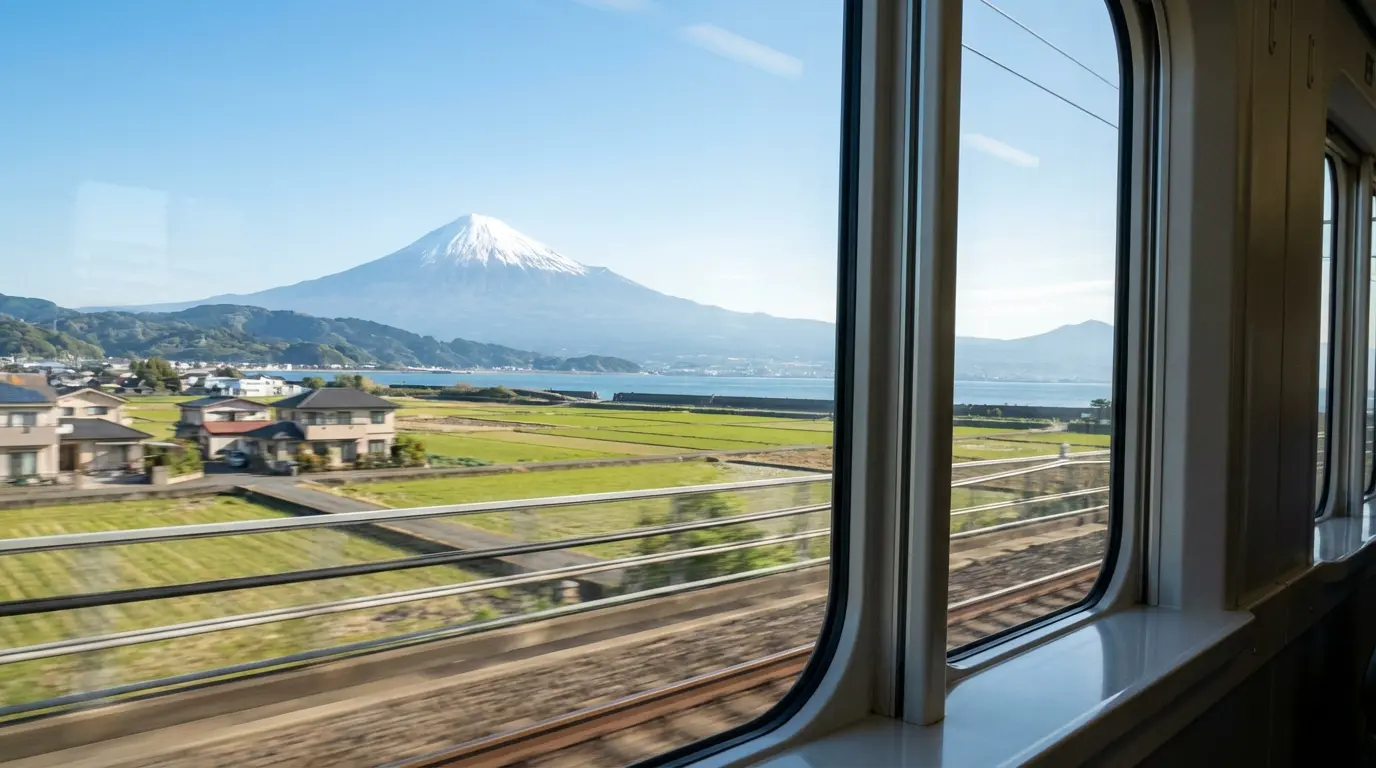
- Travel tip: Sit on the right side of the train from Tokyo to Osaka for Fuji views. For more on viewing spots, see Mishima tourism.
Shin-Onomichi / Onomichi (Sanyō Shinkansen access) — temple town and cycling
- Why go: Onomichi charms with narrow lanes and seaside temples. As a result, it is a quiet alternative to busier coastal cities.
- Highlights: Senkō-ji Temple, retro alleyways and the Shimanami Kaidō cycling route link.
- Travel tip: Exit at Shin-Onomichi on the Shinkansen and take a short local ride to central Onomichi. For local guides visit Dive Hiroshima.
Himeji area (Sanyō Shinkansen) — castle views minus the crowds
- Why go: Himeji Castle is world famous, yet nearby lesser trails and neighborhoods stay peaceful. Therefore this makes a great short stop.
- Highlights: Himeji Castle, old merchant streets and quiet parks.
- Travel tip: Explore side streets south of the castle for food stalls and calm views. Official castle info: Himeji Castle.
Kumamoto (Kyūshū Shinkansen) — castle and access to Mt Aso
- Why go: Kumamoto combines urban life with volcano country nearby. Moreover, the Kyūshū Shinkansen connects Fukuoka in the north with Kagoshima in the south. It also has 12 stops and traverses the island in just over an hour on express services.
- Highlights: Kumamoto Castle and connections to Mt Aso day trips. Although the castle sustained earthquake damage in 2016, parts have reopened to visitors. See updates at: Kumamoto Castle updates and plan Aso visits at Aso Visitor Center.
- Travel tip: Take a local train or bus from Kumamoto to Aso. As a result, you can see volcanic landscapes within a few hours.
Izumi (Kyūshū Shinkansen) — cranes, wetlands and quiet nature
- Why go: Izumi is Japan’s largest wintering ground for cranes. Because thousands of cranes arrive each year, the views are unforgettable.
- Highlights: Crane observation centers and local museums.
- Travel tip: Visit between mid-October and March for peak migration. For visitor details see: Kagoshima Kankou.
Each stop pairs quick rail access with rewarding local discoveries. Moreover, these stations let you avoid mass tourism while still enjoying major sights. Therefore add one or two to your Tokyo to Kyushu itinerary for memorable detours.
Quick comparison — 5 Lesser-Known Shinkansen Stops from Tokyo to Kyūshū
| Stop | Location | Nearest attractions | Travel tips | Unique features |
|---|---|---|---|---|
| Mishima | Shizuoka Prefecture (Tōkaidō Shinkansen) | Rakujuen Garden, Mishima Taisha, Mount Fuji viewpoints (right side from Tokyo) | Sit on the right side traveling from Tokyo to Osaka for best Fuji views. Allow 1 to 2 hours for park and shrine visits. | Gateway to Mt Fuji views with calm parks and local cafes |
| Shin-Onomichi / Onomichi | Hiroshima Prefecture (Sanyō Shinkansen access) | Senkō-ji Temple, retro alleys, Shimanami Kaidō cycling start points | Exit at Shin-Onomichi then take a short local ride to Onomichi. Rent a bike for the Shimanami Kaidō or walk the temple hill. | Temple hillside town with seaside views and cycling links |
| Himeji area | Hyōgo Prefecture (Sanyō Shinkansen) | Himeji Castle, Kōko-en gardens | Visit early morning to avoid crowds. Explore south streets for local food stalls. | World Heritage castle plus quiet neighborhood trails |
| Kumamoto | Kumamoto Prefecture (Kyūshū Shinkansen) | Kumamoto Castle, gateway to Mt Aso day trips and Mt Aso Visitor Center | Use local buses or trains from Kumamoto to reach Mt Aso. Check castle reopening times before visiting. | Urban hub with quick access to volcanic landscapes; Kyūshū Shinkansen links Fukuoka to Kagoshima |
| Izumi | Kagoshima Prefecture (Kyūshū Shinkansen) | Crane observation centers, wetlands and local museums | Visit between mid-October and March for peak crane migration. Bring binoculars and warm clothing. | Japan’s largest wintering ground for cranes offering unique wildlife encounters |
This table helps you scan attractions, tips and unique features quickly. Therefore you can decide which short detours fit your schedule and interests.
Practical tips for Shinkansen tickets and best seats for Mt Fuji views
Buy QR-code Shinkansen tickets before you arrive. Booking online saves time and avoids lines. For English-friendly booking, consider Triplabo. You can reserve seats and receive QR vouchers here: Triplabo. Also check official schedules and seat maps at JR Central: JR Central.
Booking and QR voucher hacks
- Use Triplabo to book Shinkansen tickets in English. Moreover, it issues QR vouchers that speed boarding. Book early on busy travel days to secure window seats.
- After booking, print or save your QR code to your phone. However, bring a backup screenshot. Stations can get crowded during peak hours.
- To learn how QR vouchers work, read step-by-step guidance at How to Board the Shinkansen with a QR Voucher. This explains where to scan and how to collect seat slips.
- If you hold a Japan Rail Pass, activate it before boarding. For details see Japan Rail Pass. Otherwise, buy point-to-point Shinkansen tickets online.
Best seats for Mt Fuji viewing
- When traveling between Shizuoka and Mishima, sit on the right side of the train. This gives the clearest view of Mount Fuji when going Tokyo to Osaka. In addition, choose a window seat near the front of a car for fewer obstructions.
- On clear mornings the mountain appears crisp. Therefore, travel early to increase your chances of a view. For more viewing tips, see Japan Guide Viewing Tips.
Time-saving boarding and seat hacks
- Arrive at least 20 minutes before departure during peak season. As a result, you can issue paper slips and navigate gates calmly.
- Pack light and use overhead racks for backpacks. This speeds up boarding and alighting.
- Choose non-reserved cars only if you accept flexible seating. Otherwise reserve a seat in advance to guarantee a window spot.
Follow these tips to save time and enjoy iconic views. As a result, your Shinkansen travel feels efficient and memorable.
These five lesser-known Shinkansen stops offer calm, local experiences that enrich travel beyond typical sightseeing. They reveal coastal panoramas, quiet shrines, and unexpected cultural encounters. Because trains link varied landscapes, short detours reward you with lasting memories.
Kumamoto connects urban life with volcano country, including access to Mt Aso. However, the castle and nearby neighborhoods feel intimate compared with major tourist hubs. Izumi offers crane spectacles and wetlands that wildlife lovers will treasure. Moreover, Himeji, Mishima and Onomichi provide history, Fuji views, and cycling routes.
These stops fit easily into a tight schedule. Therefore you can break longer journeys into richer, more local experiences. Plan ahead, reserve window seats for Mt Fuji, and carry QR vouchers for faster boarding. As a result, you spend more time exploring and less time queuing.
Nihoner.com helps learners with practical Japanese and cultural knowledge for travel. Through short lessons, travel phrases, and cultural notes, readers gain confidence. Moreover, Nihoner.com offers tips on etiquette, food customs, and local transport. Start small, practice key phrases, and you will discover Japan more deeply.
Frequently Asked Questions (FAQs)
Can I buy Shinkansen QR-code tickets in English, and how reliable is booking online?
Yes. Several platforms sell QR-code tickets in English. Triplabo is user friendly and supports seat reservations. Booking online is reliable and saves time. Therefore you avoid long station queues and guarantee a window seat on busy days. Always save a screenshot of your QR code as a backup.
Which side should I sit on to see Mount Fuji from the Tōkaidō Shinkansen?
Sit on the right side of the train when traveling from Tokyo to Osaka. This gives the clearest view between Shizuoka and Mishima. In addition, choose a front window seat in your car to reduce foreground obstructions. Travel early on clear days to increase your chances of a view.
Are the five stops suitable for short day trips from the Shinkansen line?
Yes. Each stop suits short detours and half day visits. Mishima and Himeji work well for quick sightseeing. Onomichi offers a longer visit if you explore temples or cycle. Kumamoto provides city highlights and access to Mt Aso day trips. Izumi suits seasonal wildlife visits between October and March.
How should I handle luggage and transfers when stopping briefly?
Travel light for easy transfers. Use station coin lockers or luggage forwarding services for longer stays. Moreover, arrive at the platform early to stow bags in overhead racks. As a result, you can board and alight smoothly without losing time.
When is the best time to visit Mt Aso and see cranes in Izumi?
Visit Mt Aso in spring or autumn for mild weather and clear skies. For Izumi cranes, travel between mid October and March. Because crane numbers peak in winter, plan for colder weather and bring binoculars. Book transport and accommodation in advance during peak seasons.