How to transfer money to Japan safely and cheaply?


Moving money across borders can feel costly and confusing. If you need to transfer money to Japan, you face fees, delays and unfamiliar rules that often leave expats and travelers frustrated.
However, you do not have to accept bad rates or surprise charges. This guide cuts through the noise with practical, reliable ways to send money and handle cash while in Japan. It explains low cost remittance services, bank transfer pitfalls, and safer cashless options. It also covers travel Wi‑Fi and eSIM tips so you can stay connected when you need to confirm payments or find an ATM.
Read on to learn which services usually offer the best rates, how to avoid receiving fees, and when cash still beats cards. Also discover simple tech tips that keep you online, safe and able to manage your money from anywhere in Japan. By the end, you will have clear, consumer focused steps to move money smarter and travel with confidence.
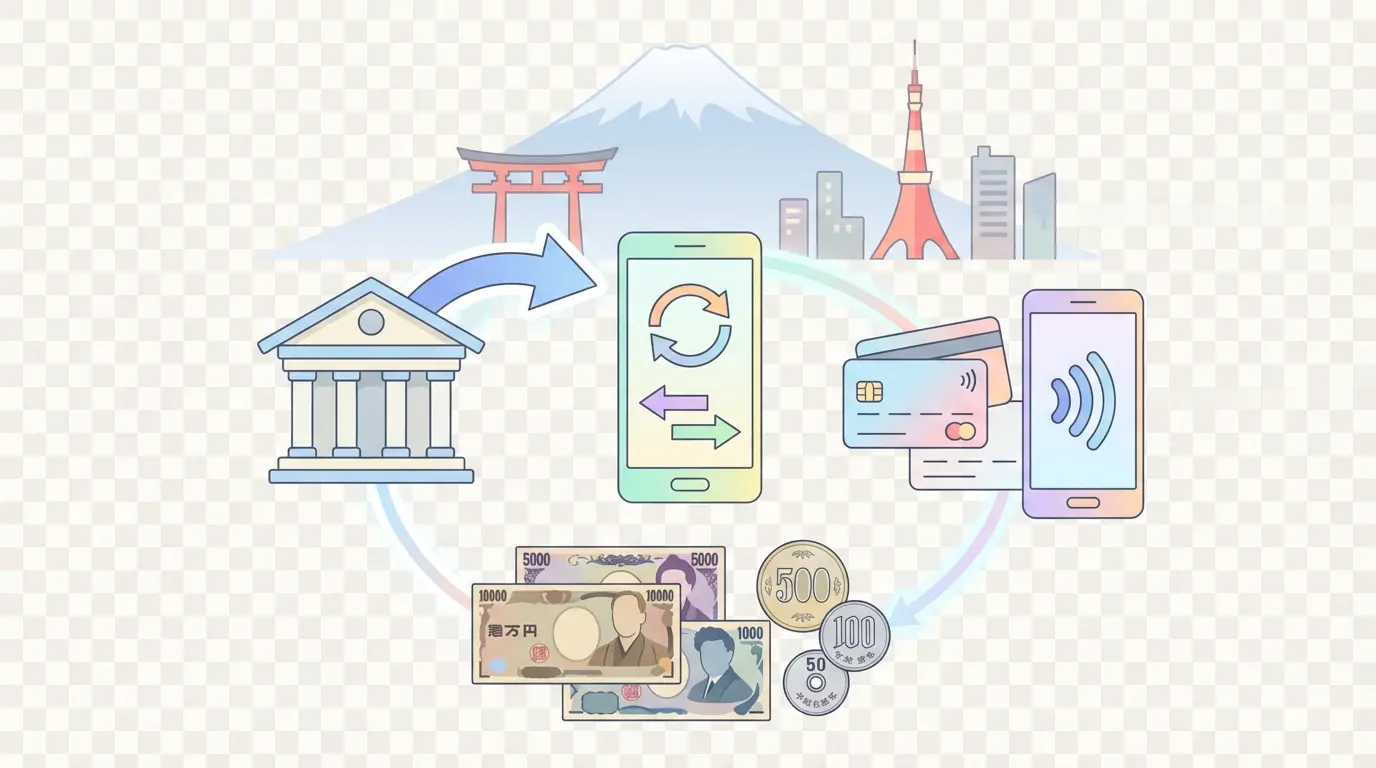
How to transfer money to Japan: practical methods
Here are the most common, practical ways to move funds into Japan. Each option lists fees, timing and key limits so you can choose the best remittance service or bank transfer.
Bank wire transfers
- How they work: send from your overseas bank via SWIFT to a Japanese bank.
- Fees and timing: turnaround is usually 1 to 2 days. However, intermediary banks may add charges. Therefore, specify intermediary banks like Citibank Japan or JPMorgan Chase to reduce deductions.
- Receiving fees: some banks charge around ¥1,000 to ¥1,500 (JP Post and SMBC) and others charge ¥4,000 plus.
Wise (recommended for small to medium amounts)
- Fees and process: Wise typically charges between 0.33% and 1% depending on currencies. You can open a Wise account from outside Japan and send up to 150 million JPY to a domestic recipient. In addition, amounts over 1 million JPY use SWIFT and the recipient bank may add a fee. See Wise for details.
- Speed: transfers are often faster and cheaper than traditional banks.
OFX and specialist forex providers
- Why use them: OFX offers forward contracts and limit orders to manage exchange risk. However, OFX cannot always serve long term Japan residents, so check eligibility.
Remitly and other remittance apps
- Quick option: Remitly has been operating since 2011 and focuses on consumer remittances. See Remitly for service info. Fees vary by speed and payout method.
GoRemit and sending money out of Japan
- Important limitation: GoRemit from SBI Shinsei Bank is mainly for sending money out of Japan, not into Japan. For details visit SBI Shinsei Bank.
Related keywords: remittance services, exchange rate, receiving fees, SWIFT, multi-currency account, forward contract.
Quick comparison of remittance services for transferring money to Japan.
| Service Name | Fees | Supported Currencies | Transfer Speed | Receiving Charges | Notes |
|---|---|---|---|---|---|
| Wise | Typically 0.33%–1% depending on currencies | Holds 50+ currencies; receives in 6 | Fast; often same day to 1–2 days | Recipient bank may charge small fee for SWIFT transfers | Good rates for small to medium amounts; amounts over 1M JPY may use SWIFT |
| OFX | Variable; no fixed small-amount fee | Major currencies only | 1–2 days typical | Receiving bank fees possible | Offers forward contracts and limit orders; check resident eligibility |
| Remitly | Fee varies by speed and payout method | Major currencies | Very fast for express; economy slower | Receiving bank may charge | Consumer focused; in business since 2011 |
| XE Money Transfer | Percentage or fixed fee depending on route | Many major currencies | 1–3 days | Receiving bank fees possible | Simple online service; competitive mid-market rates |
| PayPal | Higher fees and marked-up FX rates | Many currencies | Instant to same day | Receiving bank fees possible | Convenient but often expensive on exchange rates |
| Western Union | Fees vary by corridor and payout type | Wide currency coverage | Instant to 1–2 days | Receiving fees possible for bank payouts | Good for cash pickup and urgent transfers |
| GoRemit (SBI Shinsei) | Fees vary; service focused on outgoing transfers | JPY outbound only | Fast for outbound transfers | N/A for inbound — service is not for receiving money into Japan | Only for sending money out of Japan; not for transfers to Japan |
Note: Receiving charges from Japanese banks typically range from ¥1,000 to ¥4,000 plus. Always confirm fees and limits before you send.
Cashless living and how to transfer money to Japan on the go
Japan is increasingly cashless, but pockets of cash-only spots remain. For daily life, use cards, mobile wallets, and transit IC cards. However, you should carry some yen for small shops and rural areas.
Common cashless options
- Credit and debit cards: Visa and Mastercard work widely. American Express and JCB are accepted less often.
- Mobile payments: Apple Pay, Google Pay, and PayPay are common in urban stores and convenience shops.
- Transit and e-money cards: Suica and Pasmo work for trains and many stores, and they reduce the need for small cash.
Practical online banking tips
- Set up a multi-currency or borderless account before you travel. This eases currency exchange in Japan and reduces FX markup.
- Use apps from Wise or OFX for better exchange rates and easier transfers. Also, monitor rates with limit orders or alerts.
- Secure your accounts with two-factor authentication to protect online banking.
Travel Wi‑Fi and staying connected
- Pocket Wi‑Fi: reliable for groups and fixed data needs.
- eSIM and local prepaid SIMs: good for solo travelers and longer stays.
- Airport Wi‑Fi and hotel networks help in a pinch, but always use a VPN for banking.
Related keywords: cashless options, currency exchange in Japan, online banking tips.
Handling Money in Japan
Handling money in Japan gets easier when you choose the right transfer method. Wire transfers, Wise, OFX, and Remitly each have pros and cons. Compare fees, speed, and receiving charges before you send. Also, avoid surprise intermediary fees by naming a known correspondent bank when possible.
Understanding cashless options saves time and cuts costs. Cards, mobile wallets, and transit e-money work well in cities. However, small shops sometimes take cash only. Stay connected with pocket Wi‑Fi, eSIMs, or local SIMs to manage transfers on the move. Always use a VPN and two-factor authentication for safer online banking.
For deeper confidence in Japan, keep learning the language and culture. Nihoner.com is an all-in-one platform that helps you make real progress. It includes a large Japanese dictionary, a pronunciation trainer, structured courses, quizzes, and cultural guides. In addition, Nihoner.com helps you read menus, understand bank forms, and negotiate fees. Use these tools to transfer money to Japan smarter and travel with confidence.
Frequently Asked Questions (FAQs)
How can I transfer money to Japan?
You can use various services like Wise, OFX, and Remitly for transferring money to Japan. They offer options with different fees, speed, and supported currencies. Bank wire transfers via SWIFT are also possible but may incur extra fees from intermediary banks.
Are there cashless payment options in Japan?
Yes, Japan offers several cashless payment options. You can use credit and debit cards, such as Visa and Mastercard, and mobile payments like Apple Pay and PayPay. Transit cards like Suica and Pasmo can be used for both travel and shopping.
What should I prepare for online banking in Japan?
Set up a multi-currency account to manage currency exchanges efficiently. Use apps from providers like Wise to enjoy better exchange rates and easy transactions. Secure your online banking with two-factor authentication.
What are the best travel Wi-Fi options in Japan?
Pocket Wi-Fi is ideal for groups, while eSIMs and prepaid SIM cards suit solo travelers. These options provide reliable connectivity for online banking and managing money transfers while on the go.
How can I avoid high fees when transferring money to Japan?
Choose services with lower fees and favorable exchange rates like Wise. Always specify known intermediary banks when using wire transfers to minimize additional charges. Shop around to compare costs before choosing a service.