
Japanese Etiquette for Tourists: 101 Essential Do’s and Don’ts in Japan

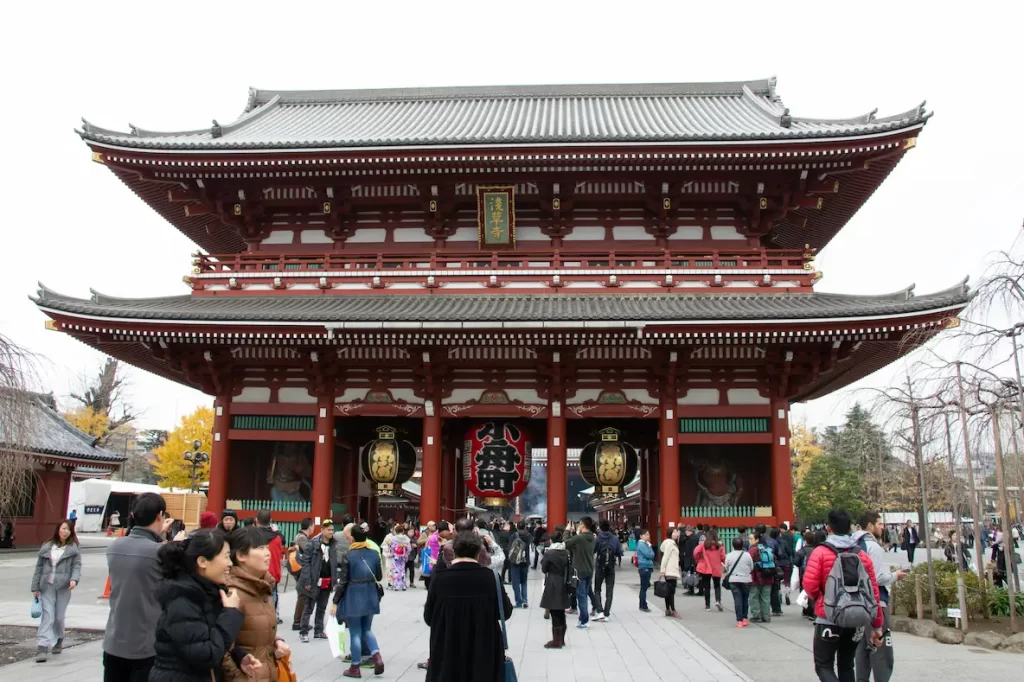
Visiting Japan for the first time? Get ready to experience a culture where politeness is practically an art form. 😇 Japanese etiquette for tourists is something every traveler should learn to make their trip smoother and more respectful. Trust me, you don’t want to be that gaijin (foreigner) who unknowingly offends locals—like sticking chopsticks upright in your rice (big no-no, more on that later!).
When I first traveled to Japan, I was both excited and nervous—was I bowing correctly? Was I about to embarrass myself by pouring soy sauce all over my rice? (Spoiler: I definitely made a few etiquette mistakes, but hey, that’s part of learning!).
In this guide, we’ll cover the essential Japanese etiquette for tourists, from proper greetings to dining do’s and don’ts—all with a friendly dose of humor and humility. Because while making mistakes is part of the journey, fewer mistakes mean more smiles and thumbs-ups from the locals. Let’s dive in!
The Golden Rule: When in Doubt, Do As the Japanese Do

First things first: if you’re not sure how to act in a situation, just observe what locals are doing and follow suit. This golden rule has saved my behind more than once. Japanese people generally understand that foreigners might not know all their customs, so you won’t get shouted at for an honest mistake. (Phew!) That said, a little effort to be polite goes a long way and will earn you appreciative smiles. So, when in doubt, copy the crowd. See everyone removing their shoes at the doorway? Do it too. Notice people quietly forming a line to board the train? Yep, get in line (no casual line-cutting, even if you’re in a rush!). Think of it as a fun game of “Simon Says: Japan Edition.” 😁 It’s actually kinda cool to blend in and feel like you’re part of the harmonious flow of Japanese daily life.
Now, let’s get specific. Without further ado, here are the essential do’s and don’ts in Japan that every tourist should know:
Do: Remove Your Shoes Indoors

One of the quickest ways to spot a clueless tourist in Japan is by their bright, shiny shoes… still on their feet when they should be off. In Japan, it’s customary to remove your shoes when entering homes, traditional restaurants, temples, and even some fitting rooms or hotel areas. Basically, if you see a row of shoes by the door, that’s your cue to undress – your feet, that is. 😉 Stepping onto tatami mats (those straw floor mats) with shoes on is a big no-no, the ultimate what not to do in Japan. Instead, shuffle out of those sneakers and put on the provided slippers if there are any (and don’t forget to swap to toilet slippers when you go to the bathroom in someone’s home – yes, there are special bathroom shoes, and yes, you might accidentally wear them back into the living room if you’re as forgetful as me 😅). The shoes-off rule might feel awkward if you’re not used to it, but it quickly becomes second nature. Plus, your feet will enjoy the breather!
Don’t: Eat or Drink While Walking

Picture this: you grab a tasty yakitori skewer from a street stall and wander off munching happily. Suddenly you notice no one else is walking and eating, and you might get a few side glances. Uh-oh! In Japan, it’s considered a bit uncouth to eat or drink while on the move. People usually take a pause and enjoy their snack right there or find a bench or designated eating area. It blew my mind at first because I’m so used to sipping coffee on the go, but in Japan, you’ll rarely see folks doing that, except maybe near vending machines where they often stand off to the side to finish their drink. This isn’t a strict law or anything – if you take a swig of water while walking, nobody will arrest you (relax 😜). But as a courtesy, and to avoid spills or litter, the cultural norm is to not gobble as you go. So take a moment, savor that snack, and then continue your journey. Trust me, those takoyaki balls taste better when you’re not multitasking.
Do: Bow and Say “Thank You” (and Maybe Bow Again)

Bowing is basically the Japanese handshake, hug, and nod of acknowledgment all rolled into one. As a tourist, nobody expects you to execute a perfect 30-degree formal bow with military precision. A simple polite bow of the head and a friendly smile goes a long way. You’ll find yourself bowing a lot – saying hello, thank you, sorry, goodbye – it’s like an involuntary reflex after a while. I caught myself bowing while on the phone once (facepalm, nobody could even see me). You might chuckle, but it happens! Also, get used to saying “arigatou” (thank you) and “sumimasen” (excuse me/sorry) often. Japanese communication is peppered with apologies and thank-yous even for tiny things. Accidentally bump someone? Sumimasen. Someone hands you something? Arigatou. You’ll feel like a broken record at times, but it’s all part of the politeness dance. Oh, and pro-tip: don’t go for a hug or hearty pat on the back with new acquaintances – that might freak people out. A bow will do just fine.
Don’t: Stick Your Chopsticks Upright or Play With Them

Chopsticks: the elegant utensils that double as a beginner’s game of “don’t drop the food.” Using chopsticks is itself an art (I still drop the occasional noodle, no shame). But beyond using them, there are chopstick manners. The biggest sin? Sticking your chopsticks vertically into a bowl of rice. It looks harmless, but it’s a huge don’t – it’s how rice is offered at funerals for the dead, so it’s considered extremely bad luck and just plain inappropriate at the dinner table. Another chopstick faux pas is passing food directly from your chopsticks to someone else’s (again, funeral ritual vibes). Instead, if you want to share a tasty bite, use the opposite end of your chopsticks (the part you don’t put in your mouth) to transfer it to their plate. Also, don’t use your chopsticks as drumsticks on the table (as tempting as it is when a good song comes on in your head), and don’t wave them around or point them at people. Basically, keep the chopstick antics to a minimum. If you’re not super confident in your chopstick skills, no worries – many places will offer a fork if you ask. But give it a try; locals appreciate when you make the effort. And if you manage to pick up that slippery piece of tofu without stabbing it, consider it a win! 🥢
Do: Slurp Your Noodles

Here’s a fun one: all those manners about not making noise while eating? They go out the window when it comes to noodles. In Japan, it’s perfectly okay – encouraged even – to slurp your noodles audibly. Ramen, soba, udon… go ahead and sluuuurp. It’s believed to enhance the flavor and shows you’re enjoying the meal. As a timid tourist, I first sipped my ramen quietly, worried I’d sound like a vacuum cleaner. Meanwhile, the locals next to me were going to town on their noodles with enthusiasm, sounding off like it was an Olympic sport. I decided to join in, and let me tell you, unleashing a good hearty slurp is oddly satisfying (and delicious). So don’t be shy – slurping isn’t rude here, it’s the norm. Just maybe have a napkin handy for any splash zones. And by the way, this applies to noodles only. Don’t go slurping your miso soup loudly or something – that might earn you some looks. 😉
Don’t: Talk Loudly on Trains (and Please, No Phone Calls)

Public transportation in Japan is eerily quiet – like library-level quiet during rush hour. It’s kinda amazing. On trains and buses, people generally avoid speaking loudly. Many commuters just nap, read, or stare at their phones in peaceful silence. If you’re chatting with a travel buddy, keep your volume low. And phone calls? Big no. It’s considered polite to put your phone on silent (they even have a term for it, “manner mode”) and if you must take a call, you’d best wait or at least whisper and make it super brief. I once saw a guy get a call on the train; he looked mortified, answered with one hand cupped over his mouth, said maybe two hushed words, and hung up immediately with a bow to no one in particular. The dedication to courtesy is real. As a tourist, nobody expects you to be a mime, but just be mindful of the quiet atmosphere. It’s actually kinda nice to ride in a peaceful train – until you and your friend burst out laughing at an inside joke. (Guilty as charged, and yes we got stares.) Lesson learned: save the big conversations for when you step off.
Do: Carry Cash and Present/Receive Things Politely

Japan is high-tech in many ways, but one surprisingly old-school thing is the reliance on cash. While this is more of a travel tip than an etiquette rule, it does tie into some polite practices. First, always have some yen on you, since smaller shops and restaurants might be cash-only. Now, when you pay, you might notice little trays at the cashier. Instead of handing cash directly to the person, place it on the tray – it’s a small polite custom. Same with receiving change; they’ll often put it on the tray for you. If there’s no tray, use two hands to give and receive money, business cards, or gifts. Using two hands (and a slight bow of the head) is a sign of respect. I felt super clumsy the first few times, fumbling my yen coins and basically making it rain accidentally. But I got the hang of it. Oh, and tipping: just don’t. Japan is a no-tipping culture. If you try to tip, a waiter might look genuinely confused or even chase you down to return what you “forgot.” The price is the price, and great service is expected without extra reward. It feels weird at first if you’re from a tipping culture, but you’ll learn to just say thank you (maybe bow one more time for good measure) and be on your way.
Don’t: Blow Your Nose in Public

This one might surprise you. Got a case of the sniffles while strolling through Tokyo? You’ll notice people will sniffle, snort, and do everything except honk their nose loudly into a tissue in front of others. Blowing your nose loudly in public is considered a bit gross in Japan. Instead, the polite thing is to excuse yourself to a restroom or step aside to discreetly dab your nose. During allergy season, you’ll see folks wearing masks (even pre-2020, mask-wearing was common courtesy when you’re sick or pollen is attacking your sinuses). I learned this the awkward way by trumpeting into a tissue on a train and noticing the person next to me subtly inch away. Oops. So yeah, it’s not the end of the world if you blow your nose, but it’s more polite to save the nose symphony for when you have some privacy. Until then, join the sniffle chorus or use those super soft pocket tissues quietly.
Do: Follow Onsen Etiquette (If You Try a Hot Spring)

Taking a dip in a Japanese onsen (hot spring bath) is a fantastic experience – it’s like a spa and a cultural adventure in one. But oh boy, does it come with its own set of rules. If you decide to get your soak on, remember: birthday suit only. Yep, you have to be fully naked (gender-segregated baths, don’t worry) – swimsuits are a no-go. It might feel awkward, but trust me, nobody’s really staring; they’re all busy relaxing. Before you jump in, you must wash yourself thoroughly at the little shower stations. Think of it like a pre-soak scrub down. Once you’re squeaky clean, you can enter the hot spring pool. Also, tie up your hair if it’s long (no dips of your ponytail in the shared water, please). And absolutely no cameras or phones – let’s keep this a PG experience for everyone, folks. One more thing: if you have tattoos, some traditional onsen might refuse entry (old stigma associating tattoos with yakuza gangsters). However, many places are relaxing this rule or have private baths you can rent. It’s worth checking in advance. Onsen etiquette might seem intense, but it’s all about keeping the water clean and the atmosphere peaceful. When I braved my first onsen, I was freaking out inside about doing something wrong (or slipping and making a slapstick comedy scene… thankfully that didn’t happen). But by following others and adhering to the basics, I fit right in and had one of the most relaxing evenings of my life.
Don’t: Commit Train Seat Faux Pas

A quick note on sitting etiquette: if you’re on a train or bus, you might notice some seats marked for the elderly, disabled, or pregnant (often with signs or different colored seats). Those are priority seats – try to avoid sitting there unless you qualify or the train is mostly empty. And if the train is crowded and you see an elderly person standing while you’ve got a seat, do consider giving it up (this one’s universal good manners, really). Another thing: don’t sprawl out or put your bags on a seat next to you during busy times. Space is at a premium. I once nearly took out a salaryman with my giant backpack when turning around – the horror on his face 😂. Now I just take it off and hold it near my feet. Also, in super crowded trains, brace yourself for some light body contact (okay, sometimes you’ll be packed like sardines). It’s impolite to really push, but the station staff might help nudge people in. Just go with the flow – literally.
Wrapping Up: Embrace the Etiquette Adventure

That was a lot of rules, huh? Take a deep breath – it’s easier than it sounds. Japanese etiquette might seem strict, but once you’re there, it feels… kinda nice. So orderly, so respectful. Nobody expects you to be perfect. If you do slip up (and you might, like the time I loudly said “KANPAI!” (cheers) in a quiet izakaya, oops), a simple apology and smile will usually smooth things over. People appreciate the effort more than anything. By following these do’s and don’ts, you’ll not only avoid cringe-worthy moments, but you’ll also earn the respect of locals and make your trip smoother. Plus, knowing the etiquette lets you relax and enjoy Japan without that constant fear of accidentally offending someone. You can focus on the fun stuff – like slurping up every last noodle of that ramen or soaking in an onsen with a view of Mt. Fuji. So go forth, armed with this knowledge, and conquer Japan with politeness and confidence! 🎌
And hey, if you want to feel even more confident, learning a bit of the language and culture before you go is a smart move.
Ready to Impress with Your Japanese?

From mastering polite phrases to navigating cultural nuances, a little prep goes a long way. Nihoner can be your trusty sidekick in this journey. With Nihoner’s fun and easy lessons, you’ll pick up Japanese etiquette for tourists and language skills hand-in-hand. (Imagine ordering sushi in fluent Japanese – the look on the chef’s face, priceless!). If you’re already using Nihoner’s free plan and loving it, consider stepping up to a paid plan. Why? Not only do you unlock more exclusive lessons and content, but you also get a spiffy certificate to show off your progress! Bragging rights, anyone? It’s like a little diploma in “Awesome Traveler Preparedness”. So check out our pricing page and see how we can level up your Japan game together. After all, the best trips happen when you immerse yourself fully – language, culture, etiquette and all. Safe travels and happy learning!


Responses