What makes 岐阜県白川村の合掌造りライトアップ magical?
Experience the Ethereal Beauty of the Shirakawa-go Light-Up this Winter
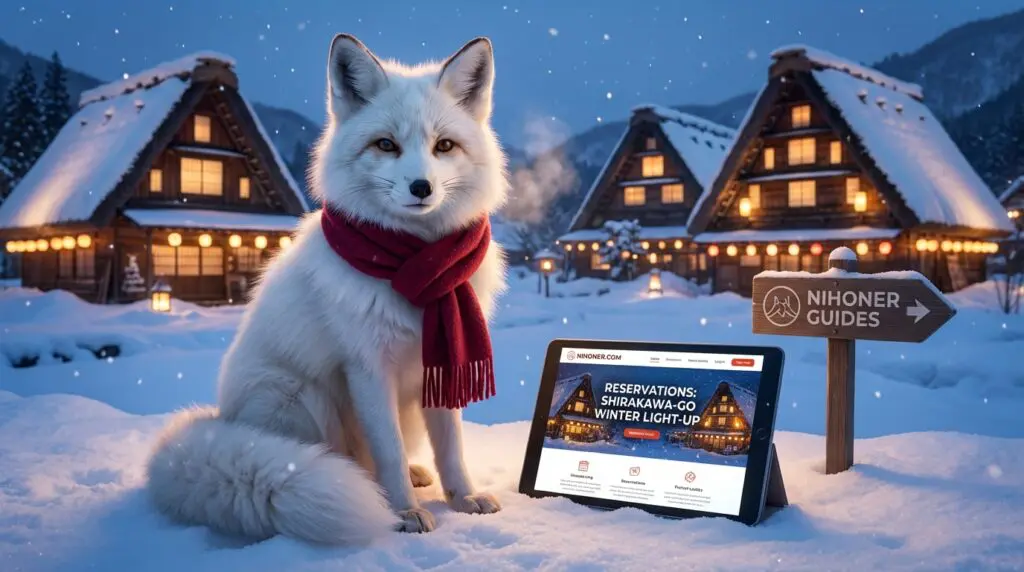
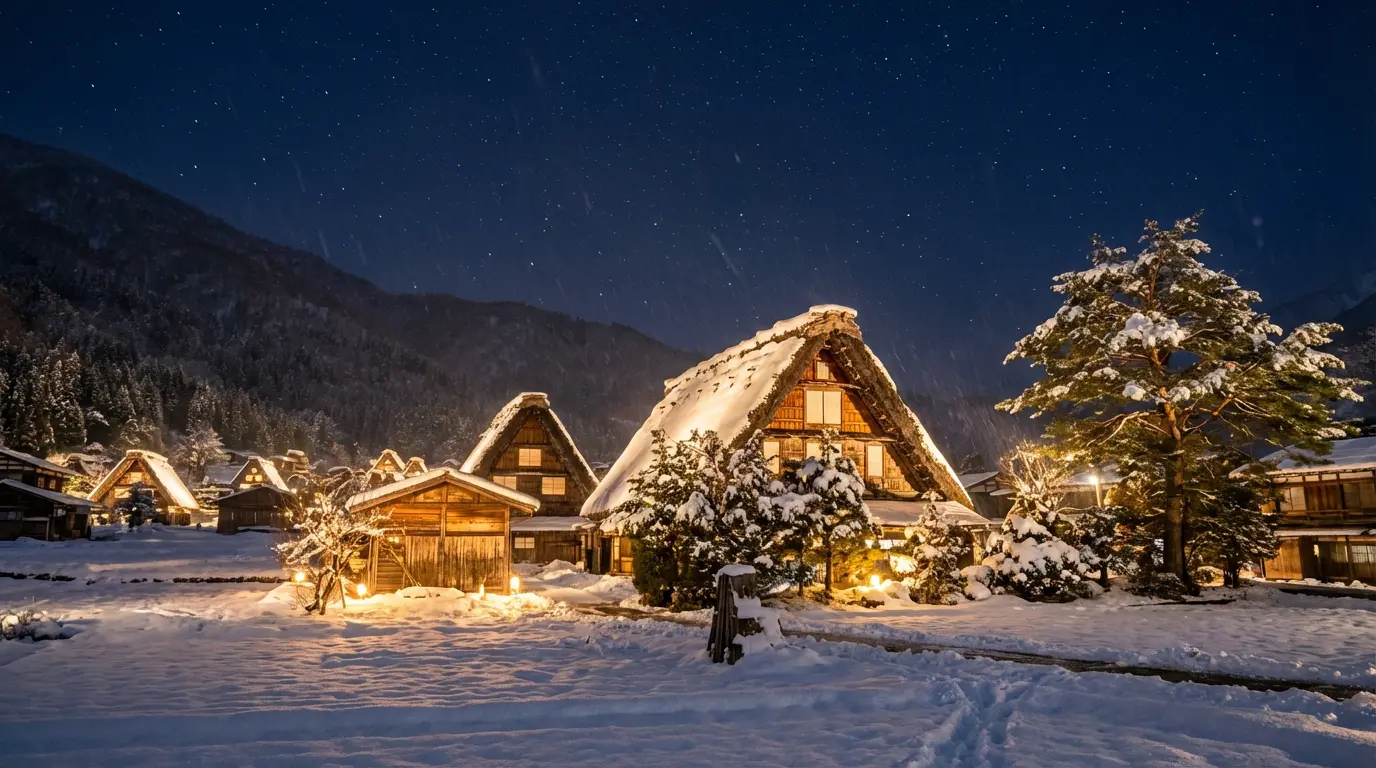
Nestled in the charming Gifu Prefecture, the 岐阜県白川村の合掌造りライトアップ (Shirakawa-go Gassho-style Houses Light-Up) transforms the tranquil village of Shirakawa-go into a breathtaking winter wonderland. Picture this: traditional gassho-zukuri houses, their steeply pitched roofs blanketed in snow, magically illuminated against the night sky. This spectacular event occurs every Sunday until February 1st, drawing tourists from around the globe who relish in the serene ambiance and captivating views. Whether you’re a seasoned traveler or a curious first-timer, visiting Shirakawa-go during its light-up season is a must-see experience that promises to enchant and inspire.
Introduction and background
The 岐阜県白川村の合掌造りライトアップ (gifu-ken shirakawa-mura no gassho-zukuri raitoupu) meaning “Shirakawa-go gassho houses light-up” showcases the village after dusk. It highlights traditional architecture and the mountain night scenery.
Shirakawa-go sits in central Japan within 岐阜県 (gifu-ken) meaning “Gifu Prefecture” used to describe the prefectural location. The village of 白川村 (Shirakawa-mura) meaning “Shirakawa village” preserves rural life and heritage. In addition, the area holds over 100 gassho houses, with the village containing 100軒以上の家 (hyakken ijō no ie) meaning “more than one hundred houses” that show local building traditions.
The signature 合掌造り (gassho-zukuri) meaning “praying hands style” describes the steep thatched roofs. As a result, snow settles on those roofs and creates a remarkable 雪景色 (yukigeshiki) meaning “snowy landscape.” At night, carefully placed lights turn that scene into a memorable 夜景 (yakei) meaning “night view” for visitors to enjoy.
Checkpoint: Shirakawa-go combines rare heritage and winter atmosphere, so visiting during the light-up rewards both history lovers and photographers.
Planning Your Visit to the Gifu Prefecture Shirakawa Village Gassho Light-Up
Planning your visit to the 岐阜県白川村の合掌造りライトアップ (Gifu Prefecture Shirakawa Village Gassho Light-Up) requires a bit of logistical preparation. The light-up event takes place every Sunday until February 1 (2月1日まで) and attracts numerous visitors due to its captivating display. Here’s what you need to know:
- Reservations Are Essential: According to the 観光協会 (Kankō Kyōkai) meaning “Tourism Association,” it’s crucial to book in advance. The high demand for this event makes 予約 (yoyaku) meaning “reservation” mandatory to ensure you get the best viewing experience.
- Plan for Crowds: Held on 日曜日 (nichiyōbi) meaning “Sundays,” these events can be busy. Arriving early allows time to explore the unique 合掌造り (gassho-zukuri) meaning “praying hands style” houses and enjoy their serene beauty before the lighting begins.
To further enhance your understanding of Japanese terms and make the most of your visit, consider using Nihoner’s Furigana converter with pro features. It can help you read Japanese place names and cultural terms clearly, offering a sense of clarity and the ability to track your progress visually.
Join the Experience: If you’re enthusiastic about visiting soon, register for free with Nihoner. Begin expanding your cultural horizons, and make unforgettable memories at Shirakawa-go’s light-up event.
Consider upgrading to premium for exclusive features like pronunciation training and vocabulary storage on Nihoner.
Visitor impressions and cultural value
Many visitors describe the light-up as quietly moving. For example, an インドネシア人観光客 (Indoneshia-jin kankōkyaku) meaning “Indonesian tourist” said: 景色がきれいで、素晴らしいです (keshiki ga kirei de, subarashii desu) meaning “the scenery is beautiful and wonderful.” This short quote captures the emotional impact of the illuminated scene.
The cultural significance of 合掌造り (gassho-zukuri) meaning “praying hands style” goes beyond appearance. These steep thatched roofs were designed for heavy snow and traditional farming life. At night, lighting highlights the roof lines and 周囲の木々 (shūi no kigi) meaning “surrounding trees,” which together create a layered 夜景 (yakei) meaning “night view.” As a result, the light-up makes it easier to appreciate construction techniques and village layout.
Reduced anxiety: if speaking Japanese feels hard, native audio can calm you before you travel. Many learners like you find hearing local place names helpful, which provides quiet reassurance and social proof without numbers.
Confidence booster: ready to explore Shirakawa-go in person? Register free at Nihoner Registration to get started.
Premium tip: try Nihoner’s native audio pronunciation training for confident travel phrases and place names. Learn more or upgrade at Nihoner Pricing and preview features on the AI pronunciation trainer.
Checkpoint: The light-up deepens understanding of heritage, turning architectural details into an unforgettable night scene.
Conclusion
The 岐阜県白川村の合掌造りライトアップ (gifu ken shirakawa mura no gassho zukuri raitoupu) meaning “Shirakawa go gassho style houses light up” captures why Shirakawa go is a winter highlight. Traditional 合掌造り (gassho zukuri) meaning “praying hands style” roofs, soft snow, and carefully lit 周囲の木々 (shūi no kigi) meaning “surrounding trees” combine into a night view that feels both timeless and intimate. As a result, the light up reveals architectural detail and village life in a way daytime visits cannot match.
Nihoner.com acts as an all in one Japanese learning platform to help you engage more deeply while you travel. Its advanced dictionary, structured courses, and practical practice tools give clear, reliable guidance and help you see steady progress. This clarity and progress visibility make cultural exploration less confusing and more rewarding.
Ready to start learning and prepare for your visit? Register free at Nihoner Free Registration to begin building useful skills for exploring places like Shirakawa go.
Frequently Asked Questions (FAQs)
When is the 岐阜県白川村の合掌造りライトアップ (gifu-ken shirakawa-mura no gassho-zukuri raitoupu) meaning “Shirakawa-go gassho houses light-up” held?
The light-up runs on 日曜日 (nichiyōbi) meaning “Sundays” through 2月1日まで (ni-gatsu tsuitachi made) meaning “until February first.” Therefore plan for weekend travel and book early.
Do I need a reservation and how do I book?
Yes. The 観光協会 (kankō kyōkai) meaning “Tourism Association” says 予約 (yoyaku) meaning “reservations” are required because demand is high. Check the official event page or contact the local association to secure a slot. If you want help reading Japanese names or signs, try Nihoner’s Furigana converter with pro features.
Is the event accessible for travelers with limited mobility?
Some viewing areas involve steps or uneven ground. However organizers often provide clearer paths. Contact the event team before you go for specific accessibility guidance.
Where are the best viewing spots to enjoy the 夜景 (yakei) meaning “night view” and 雪景色 (yukigeshiki) meaning “snowy landscape”?
Hilltop viewpoints and the central village walkways give broad perspectives. Arrive early to find a calm spot and enjoy views of the 合掌造り (gassho-zukuri) meaning “praying hands style” roofs and the 周囲の木々 (shūi no kigi) meaning “surrounding trees.”
Why does the light-up matter for cultural heritage?
Illuminating the traditional houses highlights construction details and village patterns. As a result visitors gain deeper appreciation for local building techniques and seasonal life.
Progress promise: Ready to prepare and track your learning as you plan a visit? Register free at Nihoner to build skills and follow clear progress before you travel.