Are Winter day trips from Tokyo worth it?


Winter day trips from Tokyo
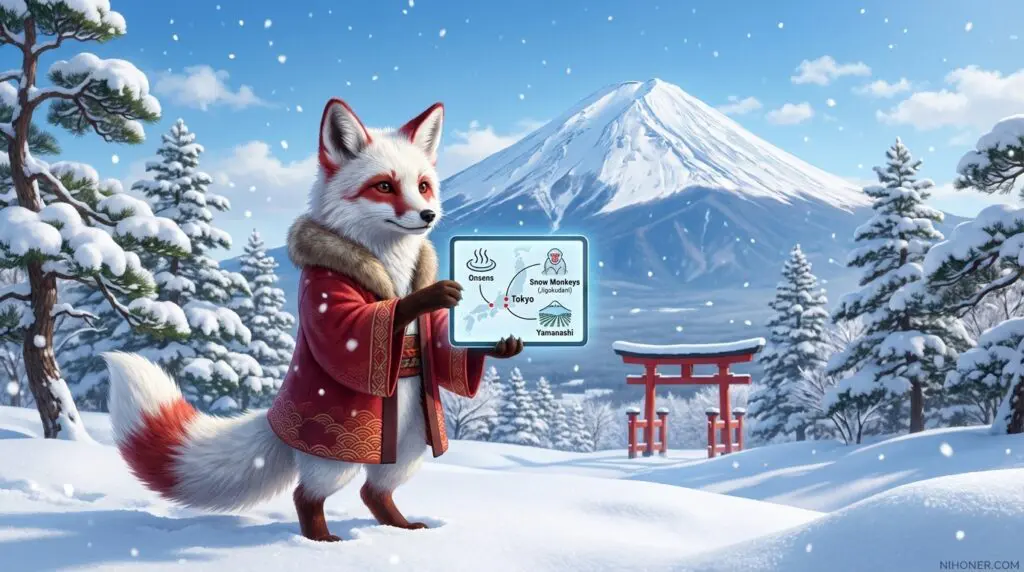
Winter day trips from Tokyo unlock frosty escapes from the city. Imagine steaming onsen pools framed by fresh snow, or curious snow monkeys soaking just off a wooded trail. These scenes feel like a living postcard that you can reach in a single day.
Within an easy train ride you can visit Jigokudani for the snow monkey park, explore Karuizawa for crisp streets and chic cafes, or marvel at icicle displays and illuminated gardens. Therefore you will find onsen towns, kamakura festivals, Edo themed hot springs, and crisp mountain air. Many options suit tight budgets and families, and some tours bundle transport and meals for simplicity.
Also this guide highlights wallet friendly itineraries, iconic winter highlights, and practical transit tips. We explain travel times, typical costs, and the best months to visit each spot. Read on to plan magical, affordable winter escapes from Tokyo that feel effortless and unforgettable.
Winter day trips from Tokyo: Snow monkey experiences at Jigokudani
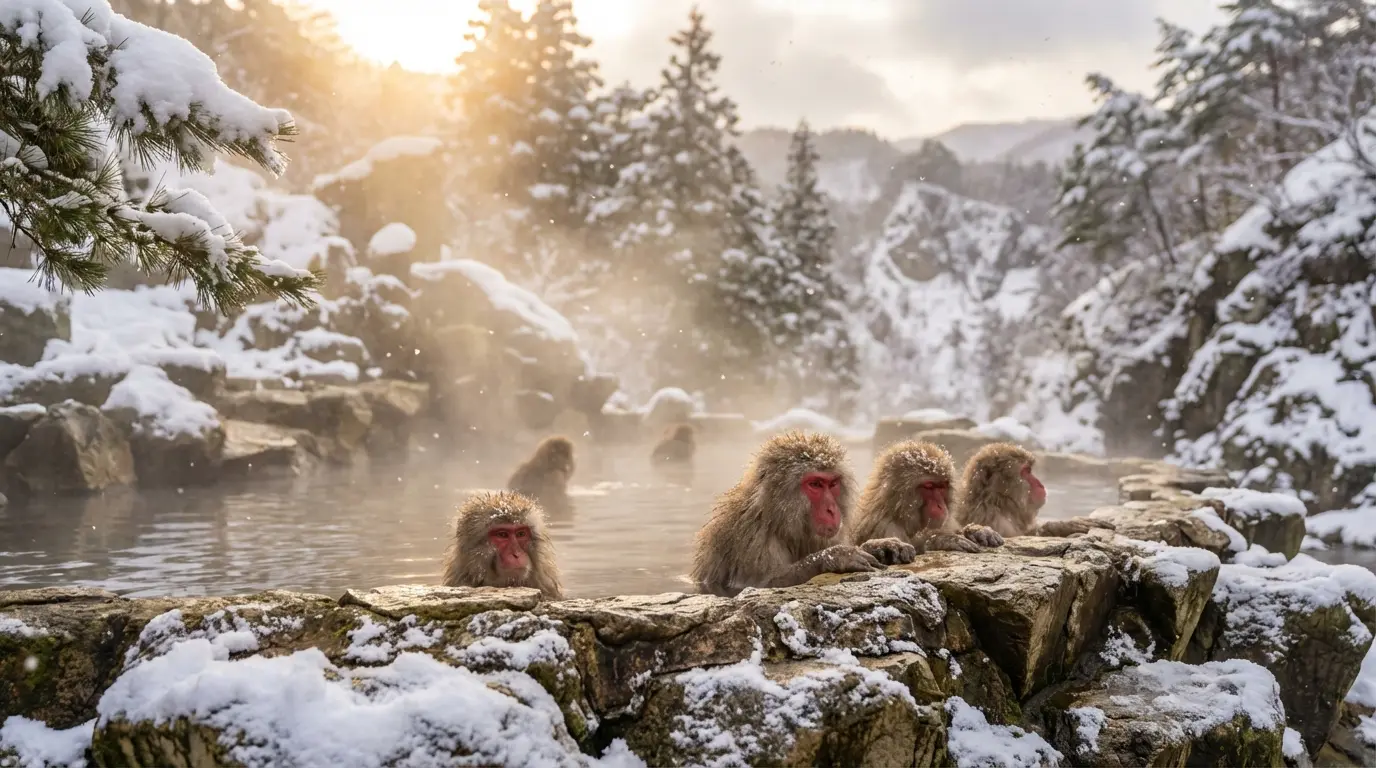
Seeing wild macaques bathe in onsen is a must for winter visitors. Jigokudani Yaen Koen feels cinematic, because snow, steam, and curious monkeys create a rare scene. Plan early to avoid crowds and cold snaps, and check the park website for updates here.
Key details and tips
- Transport time from Tokyo via Nagano: about 2 hours 15 minutes by Shinkansen, plus transfers. Travel can vary.
- Typical transit cost to Nagano by Shinkansen: one way price varies; local buses and transfers may add costs. Some transfers include buses priced around ¥10,140 one way.
- Park admission: roughly ¥800 for adults, ¥400 for children. Confirm current fees at the site above.
- Guided day tours: full day Snow Monkey tours cost about ¥16,979 and include transport, bilingual guidance, and a hot lunch. They simplify logistics and save time.
- Best months: December through March for steady snow and bathing behavior.
Winter day trips from Tokyo: Budget-friendly nature escapes
You can enjoy dramatic winter nature near Tokyo without breaking your budget. These short trips pair easy transport with memorable scenery and seasonal illumination.
Ashigakubo Icicles and Chichibu
- Transport: roughly 1 hour 20 minutes from Ikebukuro with transfers to Hanno and Seibu Chichibu Line. Expect a short walk from Ashigakubo Station.
- Entry fee: around ¥500 for adults during January and February. Weekend evening illuminations require reservations.
- Highlights: towering ice walls, evening illuminations, and local snacks. More details on official tourism pages here.
Ashikaga Flower Park illuminations
- Transport: about 1 hour 5 minutes from Tokyo via Shinkansen and Ryomo Line. The park sits steps from Ashikaga Flower Park Station.
- Ticketing: illumination pricing varies by season; check the official page before visiting.
- Highlights: millions of LED lights, themed tunnels, and photogenic displays here.
Onsen and winter recreation options
Warm baths and light snow activities make this category ideal for families. Therefore, you can mix relaxation with action on a single winter day.
Fujiyama Snow Town Yeti
- Transport: about 2 hours 45 minutes including transfers from Shinjuku and a one hour bus.
- One way transit cost: around ¥4,490 to reach the ski area, with day packages from ¥10,254 to ¥27,998.
- Highlights: beginner slopes, sledding zones, and easy rentals. See the resort for season dates here.
Kiyosato Highland and alternatives
- Transport: roughly two hours from Tokyo by bus. Some packages include sledding, fruit picking, and a shabu shabu lunch.
- Local info and seasonal activities are listed by the Kiyosato tourism board here.
- Note: Odaiba’s Oedo Onsen Monogatari closed its original site. Choose regional onsen alternatives for an authentic hot spring experience.
| Destination | Travel time from Tokyo | Typical cost (one way or daypackage) | Main attractions | Unique feature or highlight |
|---|---|---|---|---|
| Jigokudani Snow Monkey Park | 2 hours 15 minutes to Nagano by Shinkansen plus transfers | Shinkansen varies; local bus transfers about ¥10,140 one way; park admission ~¥800 | Wild Japanese macaques bathing in hot springs, snowy forest walks | Iconic snow monkeys soaking in onsen-like pools |
| Ashikaga Flower Park | About 1 hour 5 minutes via Shinkansen and Ryomo Line | Around ¥2,670 one way (train to Tochigi) | Massive illumination displays, LED tunnels, seasonal shows | Fairytalelike light gardens that draw photographers |
| Fujiyama Snow Town Yeti | About 2 hours 45 minutes including bus transfers | Transit ~¥4,490 one way; day packages ¥10,254 to ¥27,998 | Beginnerfriendly slopes, sledding, rentals | Easy access ski fun close to Tokyo |
| Chichibu Ashigakubo Icicles | Roughly 1 hour 20 minutes from Ikebukuro with transfers | Local fare ~¥730 one way; entry ¥500 during JanFeb | Towering ice walls, night illuminations, local snacks | Dramatic ice formations lit on weekends and holidays |
| Kiyosato Highland | Approximately 2 hours by bus | Varies by package; some include shabu shabu lunch | Sledding, fruit picking, mountain vistas | Familyfriendly rural activities with local cuisine |
| Tambara Ski Park | Around 2 hours (varies by route) | Daytrip packages start from ¥15,000 | Skiing, sledding, beginner slopes | Affordable snow play and convenient daypackages |
| Yunishigawa Igloo Festival | Varies by route to Tochigi region | Varies; festival access fees apply | Hundreds of kamakura igloos illuminated at night | Traditional kamakura illumination festival running Feb to early March |
Cultural tips for Winter day trips from Tokyo
Winter trips bring more than scenery; they bring small cultural moments. These tips help you travel politely and connect with local customs. Also they make your visit smoother and more respectful.
Kamakura and festival etiquette
kamakura (romaji: kamakura, meaning “igloo”) refers to small snow huts at winter festivals. For example, at the Yunishigawa Igloo Festival you will see many kamakura lit at night. Please step lightly, keep voices low, and avoid entering private kamakura without permission.
Onsen manners to know
onsen (romaji: onsen, meaning “hot spring”) follow clear rules. First wash and rinse fully before entering the bath. Also wear no swimsuits and keep towels out of the water. If you have visible tattoos, check bath policy or use private facilities.
Useful winter phrases
- samui desu ne (samui desu ne, meaning “it is cold, isn’t it”) — polite small talk about weather.
- itadakimasu (itadakimasu, meaning “I humbly receive”) — say this before meals to show thanks.
- ki o tsukete (ki o tsukete, meaning “take care”) — locals say this on icy streets.
Respect wildlife and sacred sites
When visiting Jigokudani, do not feed or tease macaques. Also keep a respectful distance and follow park rules. At shrines, bow once at the torii, then cleanse hands at the chozuya if present.
Conclusion
Winter day trips from Tokyo deliver scenic nature, cultural richness, and wallet friendly options that suit all travelers. From steaming onsen to snow monkeys, each trip feels effortless and memorable. Many day trips pair short rail rides with affordable activities and seasonal highlights.
Because they are close, you can fit multiple experiences into one trip. For example, see Jigokudani’s macaques in the morning, then warm up in a nearby onsen. However, always check timetables and book transfers in advance to avoid crowded weekends. Also look for bundled tours that include transport and meals to save time.
Explore local winter festivals, illuminated gardens, and family friendly ski areas. These outings reward curiosity and offer authentic cultural moments. Therefore pack layers, respect customs, and bring a camera.
Nihoner.com helps connect language with travel. It offers a searchable dictionary, structured courses, quick quizzes, and cultural guides. As a result learners gain confidence speaking and understanding Japanese while exploring winter wonders.
Frequently Asked Questions (FAQs)
How do I get to Jigokudani Snow Monkey Park from Tokyo?
Take the Shinkansen to Nagano, then local train and a short bus or transfer. Total travel time is about 2 hours 15 minutes plus transfers. Routes and timetables vary in winter, so check schedules and park updates before you go.
How long does it take to reach Jigokudani from Tokyo?
Expect roughly 2 hours 15 minutes one-way using the Shinkansen to Nagano followed by local trains and a short bus. Allow extra time for transfers, winter weather delays, and the final walk to the park entrance.
What are the best winter day trips from Tokyo for families?
Family friendly options include Fujiyama Snow Town Yeti for beginner slopes and sledding, Kiyosato Highland for sledding and fruit picking, and Ashigakubo icicles in Chichibu for short walks and evening illuminations. These spots offer easy access, rentals, and activities suitable for children.
What will a typical day trip cost?
Costs vary by destination. Shinkansen fares plus local transfers to Nagano and a bus can reach around ¥10,000 one way; park admission at Jigokudani is roughly ¥800. Budget choices like Chichibu and Ashikaga often have lower transport and entry fees.
When is the best time for winter day trips?
December through March offers the most reliable snow and active macaque behavior. January and February are peak months for icicle displays, illuminations, and igloo festivals.