When to use object of state change (を)?


object of state change (を) in Japanese grammar: Honorifics and State-Change Forms
The object of state change (を) in Japanese grammar anchors this article on honorific and state-change forms. We examine honorific patterns such as お〜になる (o~ni naru, “to become” used respectfully). We also study plain 〜になる (〜ni naru, “to become”), because the choice changes politeness and agency.
Because these forms interact with transitivity and particle usage, learners must learn when を marks the directly affected entity and when を ties to a point of separation or origin, as in examples like 停学 (teigaku, “suspension from school”) and constructions with 〜にする (〜ni suru, “to make/decide”), therefore clarifying who causes an action and who undergoes a state change.
Therefore this introduction takes an analytical yet cautious approach and promises clear explanations, contrastive examples, and practical guidance for natural conversation so that students can use expressions such as お読みになる (o-yomi ni naru, “to read” honorifically) and 好きになる (suki ni naru, “to come to like”) with confidence, because nuance matters in conversation.
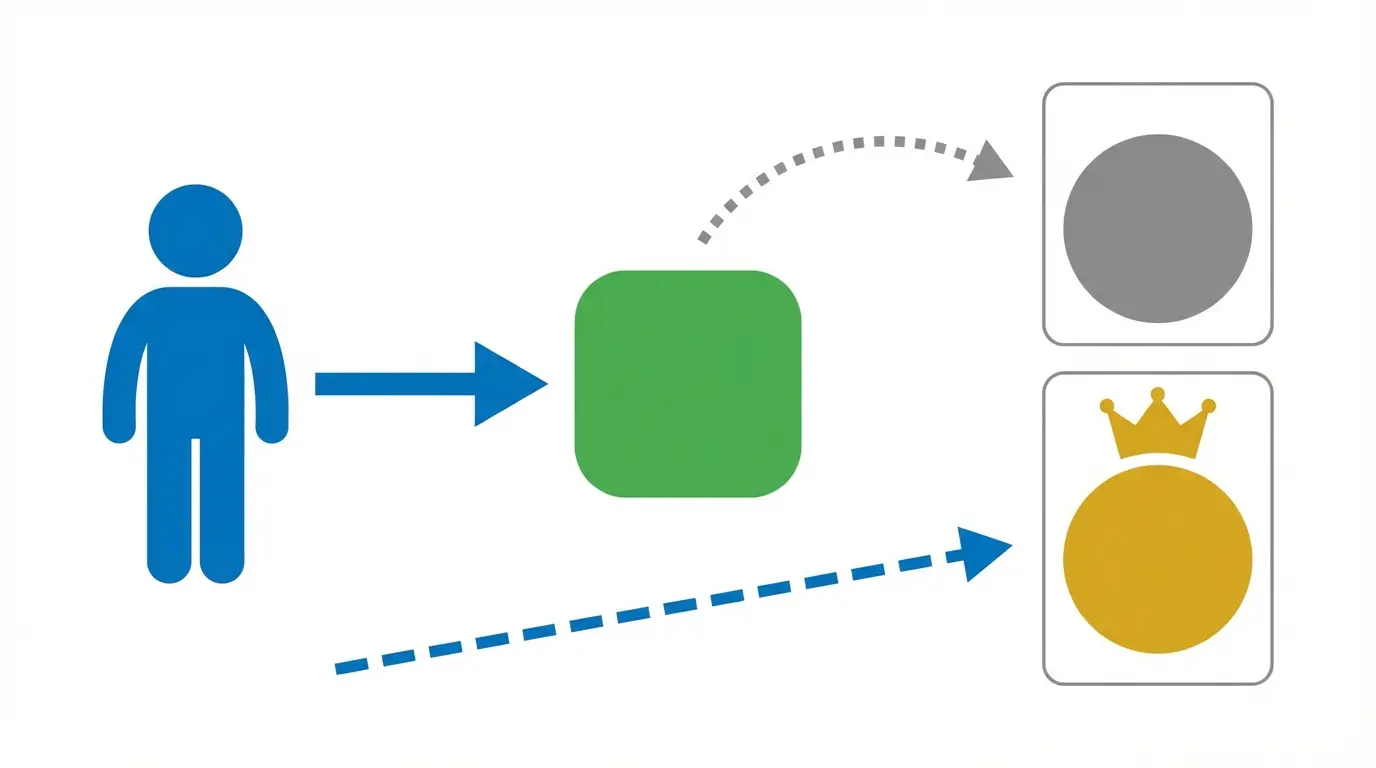
object of state change (を) in Japanese grammar: three functions of を
This section analyzes the particle を when predicates express change of state. Understanding this particle helps learners separate agentive actions from passive results. Therefore we focus on three common functions of を with predicates. We use concrete examples to make the difference clear.
-
Direct object with agentive causation
Description:
をmarks what someone makes or causes.Example:
高校は彼を停学にした。Notes: Here
高校(or a disciplinary committee) acts.をmarks the person affected directly. -
Object of state change (intransitive usage)
Description:
をmarks the entity undergoing a change of state.Example:
彼を停学になったis less natural; instead, the common pattern is彼は停学になった。However, some constructions allowをwithなる.Specific case:
停学になるis intransitive and sometimes appears withをwhen the phrase expresses separation or origin.Interpretation: In those cases
をties the noun to a point of departure or loss, not to direct agency. -
Path, route, or point of separation with predicates
Description:
をcan mark a place or state left behind.Example:
家を出るshows leaving home. Similarly, state changes can useをto mark the starting point.Notes: This function differs from the accusative role.
Key contrasts and cautions
- The two uses of
をare different in meaning and grammar. - With
〜にする, agency is clear because a causer performs the action. - With
〜になる, the change often appears as an effect on the subject. - Therefore context decides which
をis grammatical and natural.
Takeaway
Study sentences side by side. Compare 停学にする and 停学になる. As a result, you will better judge agency, politeness, and natural phrasing.
| Form | Typical meaning | Subject type | Object marking (を) | Volition and agency | Example sentence | Explanation |
|---|---|---|---|---|---|---|
| 〜にする | To make something a certain state; to decide or cause change | Agentive subject causes change | Object takes を when the causer acts on a person or thing. | High volition. The subject intentionally causes change. | 高校は彼を停学にした。 | The school (agent) made him suspended. を marks the directly affected person. Therefore agency is explicit. |
| 〜になる | To become; a state change that occurs to the subject | The subject undergoes the change | を may appear only in special cases. Often the subject is marked with は or が. | Low or absent volition. The change reads as an effect or result. | 彼は停学になった。 | The student became suspended. にる indicates result. を here is not the accusative. However を can mark the origin or separation in some constructions. |
| お〜になる (honorific) | Respectful equivalent of 〜になる or honorific verb forms | The honored person is treated as subject | Object marking follows normal grammar; honorific wording does not change を rules. | Volition stays based on verb choice. Politeness increases. | ご主人様がお読みになった。 | Honorific form signals respect. Note that お〜になる coexists with 〜になる and にする contrasts. |
Notes
- Compare 停学にする and 停学になる side by side. This contrast clarifies agency and natural phrasing.
- With にする the causer uses を for the affected entity.
- With になる the change often reflects a new state for は/が-marked subject, not an accusative を.
- In some なる patterns を marks a point of departure or loss. For example, a phrase tied to 離れる場所・起点 may use を.
object of state change (を) in Japanese grammar and honorifics in real speech
Japanese honorifics shape social tone. They also change how speakers present agency. For example, ご主人様がこういう本をお読みになるんだね (goshujin-sama ga kou iu hon o o-yomi ni naru nda ne) means “Oh, your master reads this kind of book, I see.” The phrase uses お読みになる (o-yomi ni naru) to show respect. Here the honored person is the subject. The object marked by を remains the same. However politeness affects the verb form, not the particle pattern.
“高校を is the entity undergoing the state change, whereas the implied grammatical subject is something like ‘they, the disciplinary committee, etc.’
This quote illustrates how speech hides the true agent. In many real conversations speakers avoid naming the causer. Therefore 〜になる often foregrounds the result. By contrast, 〜にする names the causer more clearly.
object of state change (を) in Japanese grammar: volition, nuance, and cultural effect
停学 (teigaku) means “suspension from school.” Use 停学にする (teigaku ni suru) when a committee punishes a student. For example, 高校は彼を停学にした (koukou wa kare o teigaku ni shita) means “The school suspended him.” The verb する (suru) shows clear volition. The particle を marks the directly affected person.
On the other hand, 彼は停学になった (kare wa teigaku ni natta) means “He became suspended.” Here にる treats suspension as a new state. Therefore the sentence focuses on the effect. Speakers often say this when they do not stress the agent. This usage matches the article fact that “停学になる is intransitive and can be used with を, tied to 離れる場所・起点 concept.”
In everyday Japanese politeness guides interaction. Using お〜になる signals respect. For example, お読みになる (o-yomi ni naru) elevates the person. Yet the particle を still marks the object. Because of this split, learners must track who does what. Moreover they must notice whether a sentence highlights the agent or the changed state. As a result, students who study parallel examples gain a practical sense of nuance. The guidance in this article helps them speak naturally and politely in real contexts.
CONCLUSION
The object of state change (を) in Japanese grammar is a small particle with large consequences. It marks direct objects in agentive sentences. It also marks patients in resultative statements. It can indicate a point of departure in motion or state-change contexts. Therefore learners must note context, verb choice, and particles.
Honorifics such as お〜になる add politeness without changing particle rules. However 〜にする and 〜になる differ in volition and focus. For example 停学にする names the causer. 高校は彼を停学にした shows clear agency.
Conversely 彼は停学になった frames suspension as a new state. As a result speakers choose forms based on pragmatic emphasis.
Practice with paired examples and authentic sentences. Consequently you will better judge natural phrasing. Study short sentences aloud and compare にする versus になる. Also incorporate honorifics gradually.
Nihoner.com supports learners with focused analysis and contrastive examples. The site offers visual diagrams and real-speech guidance. Because of that learners gain practical skills for conversation. Thus continue studying carefully and use these forms with confidence.
Frequently Asked Questions — object of state change (を) in Japanese grammar
When should I use を with なる instead of にする?
Use にする when a causer intentionally makes a change. For example, 高校は彼を停学にした (koukou wa kare o teigaku ni shita, The school suspended him) names the agent. By contrast, 彼は停学になった (kare wa teigaku ni natta, He became suspended) frames the result. を can appear with なる in special cases to mark a point of departure or loss.
Does using お〜になる change を rules?
No. Honorifics affect politeness not particle function. For example, ご主人様がお読みになる (goshujin-sama ga o-yomi ni naru, Your master reads it respectfully) keeps を usage unchanged.
Why do native speakers sometimes use を with predicates that mean change?
を has multiple roles: accusative object, patient undergoing change, or path/origin marker. Context and verb choice decide which role applies.
How can I tell volition from result?
Look for にする versus になる and for は or が marking. にする implies volition. になる implies result or involuntary change.
Quick practice tips?
Compare paired sentences, shadow real speech, and practise honorifics like お読みになる and state verbs like 好きになる.
Can を appear with predicates meaning change in casual speech?
Yes, especially when speakers focus on result or avoid naming the agent. Contrast these examples:
高校は彼を停学にした(koukou wa kare o teigaku ni shita, The school suspended him) This shows clear action and agency using にする and を.彼は停学になった(kare wa teigaku ni natta, He became suspended) This treats suspension as the subject’s new state using になる.
Tip: To decide which to use consider agency and politeness. If you need to show who caused the change or you want stronger volition use にする. If you want to emphasise the result, avoid naming the causer or speak casually use になる. For deeper contrast see the sections Comparative Table: 〜になる vs 〜にする and Explain the Use of を in State Change Verbs. Related keywords: accusative particle, state change, transitivity, volition, honorifics.