Why does 日本のボブスレー出場不可とイランのデモ 最新情報 matter?


日本のボブスレー出場不可とイランのデモ 最新情報
Japan will miss a spot in the Olympic bobsleigh event while protests continue across Iran. Meanwhile, readers want clear context and calm explanations. This article frames both stories together so you can follow sports and society in one place.
The first theme explains how Japan lost its men’s bobsleigh entry and why the team and federation now face scrutiny. In addition, the second theme outlines the ongoing demonstrations in Iran, the strain on daily life, and the communication limits that affect reporting.
We keep the coverage neutral and concise. For clarity, we will summarize verified developments and note what remains unresolved. As a result, you should leave this piece with a clear timeline and fewer questions about what happened and what may come next.
Checkpoint: Japan lost bobsleigh entry; Iran faces widespread protests and connectivity limits.
Background: Japan and Iran in one headline
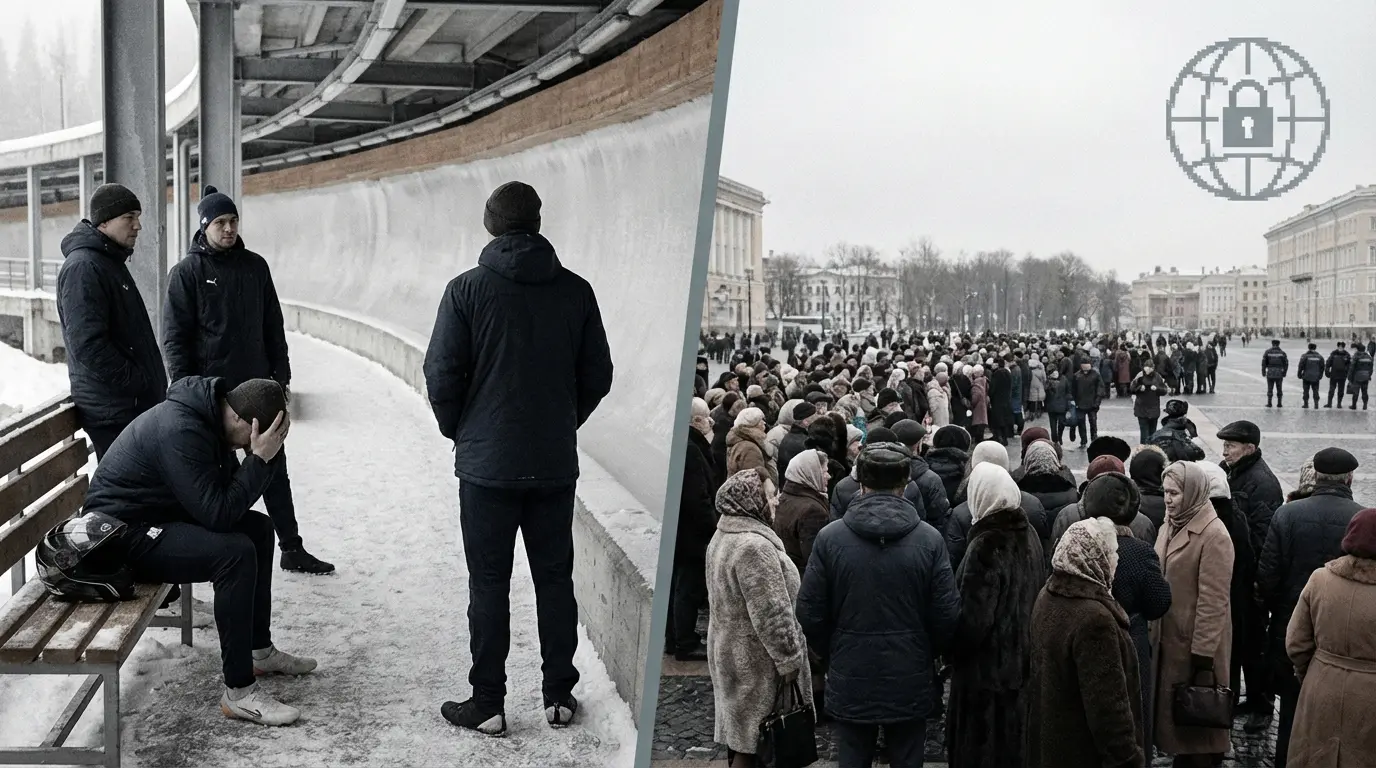
Japan will not appear in the men’s bobsleigh event as the Winter Olympics begin in Italy this February. The exclusion follows late changes to qualification rules that the Japanese bobsleigh federation did not register in time. The federation says it did not send athletes to required qualifying races and now faces questions about internal coordination. For clarity and certainty, this section lists the facts and their immediate effects.
日本のボブスレー出場不可とイランのデモ 最新情報
Officials confirmed that rule changes affected how quotas were allocated. As a result, Japan ended up with no qualified male bobsleigh entry. The federation issued an apology to athletes. The statement included the phrase 「選手に深く謝ります」 meaning “We deeply apologize to the athletes” used to acknowledge responsibility and regret. The federation also said it will review procedures to avoid a repeat.
The background matters because the Winter Olympics are a narrow window for competition and for athletes this loss affects years of preparation. Meanwhile, the Iran protests continue under worsening living costs and limited internet access, which complicates reporting and international response.
For readers who want ongoing updates and context, see more analysis on the Nihoner blog. Register to track your progress following these stories and to save articles for review: Free Membership. This invitation is a progress tracking promise to help you keep clear notes and return to updates easily.
Checkpoint: Japan missed Olympic bobsleigh qualifying due to rule change lapses; Iran faces sustained protests and communication limits.
日本のボブスレー出場不可とイランのデモ 最新情報
The protests in イラン (Iran) reflect more than politics. Rising costs of living, noted as 物価上昇 (bukka jōshō meaning “rising prices”), have pushed many households into 生活困難 (seikatsu konnan meaning “daily hardship”). As a result, people across cities have joined デモ (demo meaning “demonstrations”) to demand relief and accountability. Reporting is limited, however, because authorities have increased 警察 (keisatsu meaning “police”) presence and applied インターネット規制 (intānetto kisei meaning “internet restrictions”), which reduces independent coverage and slows outside verification.
The New York Times reported an estimation of about 死者約3000人 (shisha yaku 3000-nin meaning “about 3000 deaths”) linked to government actions. This figure highlights the scale of unrest and the human cost, though many details remain contested and difficult to confirm due to connectivity limits. In テヘラン (Teheran: Tehran) large demonstrations were not reported on the 14th, yet nationwide tensions continue.
For readers who feel overwhelmed, start with short verified updates to build confidence; small, clear summaries can be a micro win and reduce anxiety when following complex international events. Nihoner offers native audio pronunciation training to help you follow names and reported phrases more easily. Try the premium native audio option for clearer listening practice: Nihoner Premium Audio. This feature helps reduce confusion when reading reports with foreign names and terms.
Learn more about our pronunciation tools here: Nihoner Pronunciation Tools. Register for free to save updates and return to verified summaries: Nihoner Free Membership.
Below is a concise comparison to help you spot key differences and follow updates easily. For a micro win and to reduce anxiety when tracking both stories, use this table as your quick reference.
| Event | Location | Causes | Impact | Authorities Response | Latest Updates | Quotes |
|---|---|---|---|---|---|---|
| Japan men’s bobsleigh exclusion | Italy Winter Olympics and Japan | Late qualification rule changes and missed entries to required qualifying races | No Japanese men’s bobsleigh entry; athletes lose Olympic opportunity | Federation apologized and pledged a review of procedures | Federation confirmed the oversight; athletes were not entered in needed races | 「選手に深く謝ります」 (senshu ni fukaku ayamari masu) meaning “We deeply apologize to the athletes” |
| Iran protests | Multiple cities in イラン (Iran: iran), including reports linked to テヘラン (Teheran: Tehran) | Rising costs of living noted as 物価上昇 (bukka jōshō meaning “rising prices”) and broader social grievances | Widespread demonstrations and strained daily life described as 生活困難 (seikatsu konnan meaning “daily hardship”) | Increased 警察 (keisatsu meaning “police”) presence and インターネット規制 (intānetto kisei meaning “internet restrictions”) limit reporting | Reporting remains constrained; New York Times reported an estimated 死者約3000人 (shisha yaku 3000-nin meaning “about 3000 deaths”) linked to governmental actions | “3000人にんぐらいが亡なくなった” (shisha yaku 3000-nin) meaning “about 3000 deaths” cited by reporting outlets |
Micro element: Try this now The next time you read an update, compare the Impact and Latest Updates columns first to spot changes quickly.
Micro win invitation Save this comparison as your quick reference and get timely updates by registering free at Nihoner Free Membership.
CONCLUSION
This article followed two distinct but linked stories. First, Japan lost its men’s bobsleigh spot at the upcoming Winter Olympics in Italy because qualification rules changed and the federation did not enter athletes in required races. Second, Iran continues to experience wide protests as rising costs of living strain daily life and authorities impose heavy policing and internet restrictions. Both stories matter because they show how rules and resources shape people’s opportunities and safety.
Nihoner.com is an all in one platform for learning Japanese focused on real life language use. We provide a large Japanese dictionary, a pronunciation trainer with native audio, structured courses, smart SRS flashcards, quizzes, game based practice, and cultural content. Our goal is clarity and consistency so learners can speak Japanese with confidence. We also emphasize progress visibility to help you track improvements over time.
For learners who want to follow these stories closely, save this article and return to clear updates. Register free to keep notes and build a study routine: Register Free Membership
Checkpoint: Japan missed Olympic qualification through procedural lapses, while Iran faces protests driven by economic hardship and communication limits.
Frequently Asked Questions (FAQs)
What rule changes affected bobsleigh qualification?
Organizers changed how quota spots were allocated and set new entry deadlines. National federations had to register athletes in specific qualifying races. Japan did not enter the required races under the new system.
Why was Japan excluded from the men’s bobsleigh event?
The Japanese bobsleigh federation failed to enter athletes in the required qualifying races after the rule change. The federation apologized and said it will review internal procedures.
How large are the protests in Iran?
Protests are reported across multiple cities nationwide. Exact size is uncertain because of internet restrictions and limited independent verification. Some outlets have reported high casualty estimates.
What sparked the demonstrations?
Rising living costs, noted as 物価上昇 (bukka josho meaning rising prices), and worsening household hardship have driven many people into demonstrations alongside broader political grievances.
What internet restrictions and security measures affect reporting?
Authorities have imposed internet curbs and throttling and increased police presence. These measures reduce social media access, slow information flow, and make outside confirmation difficult.
For short verified updates register free: here.