What makes La Collina Ōmihachiman a sweet haven?

La Collina Ōmihachiman: A Sweet Hilltop Escape for Food Lovers
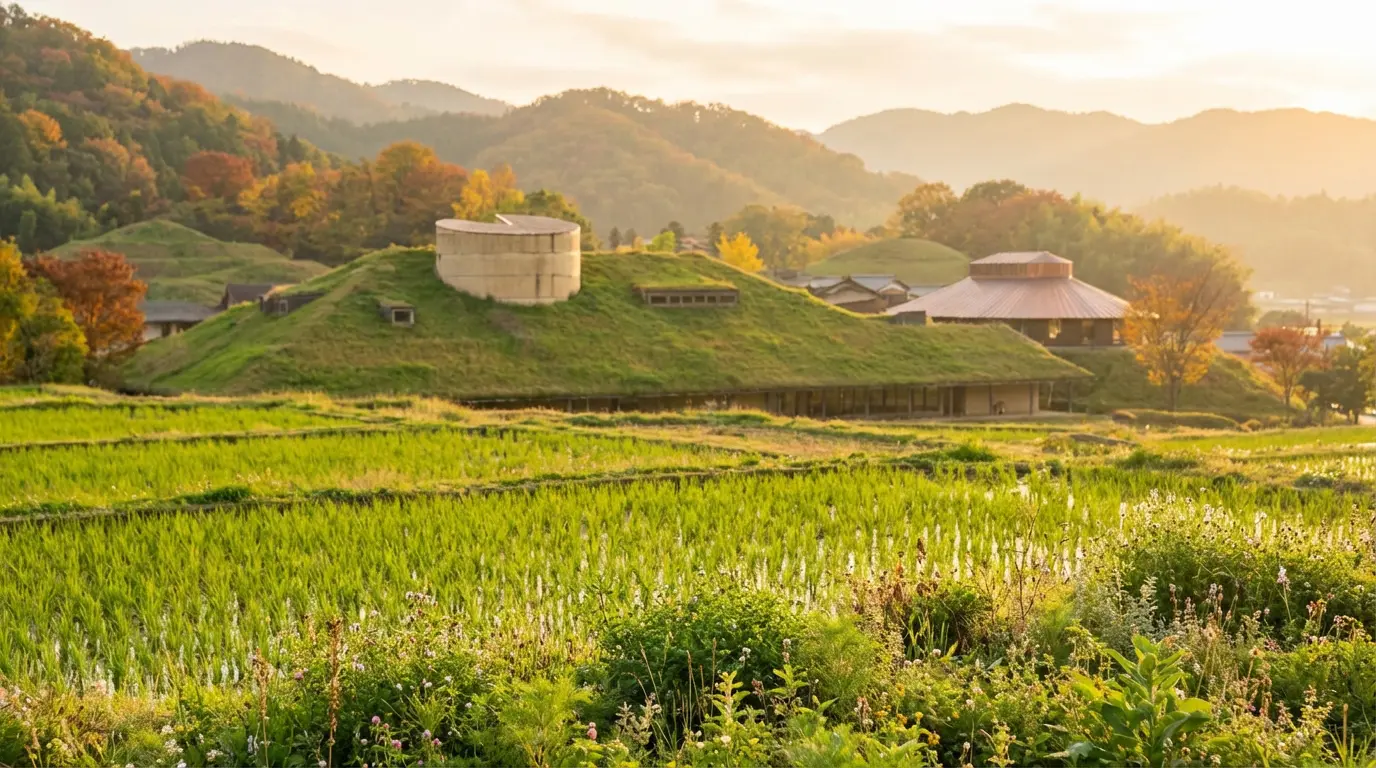
La Collina Ōmihachiman stands at the base of Mount Hachiman and invites food lovers to a unique regional experience focused on sweets and local specialties. Here small batch patisserie and traditional confections share the spotlight, so every taste is a discovery. The architecture and grass covered roofs add to the charm, and the property changes with the seasons, offering lush greens in spring and fiery colors in autumn.
Because it blends craft confectionery with hands on farming, visitors enjoy clear reasons to visit beyond mere sightseeing. For example, the Baum Factory and workshops make food culture tangible, while sampling creates small satisfying moments that act as micro wins for curious gourmets.
In short, La Collina feels like a calm festival of flavor and scenery, perfect for a day trip or a relaxed weekend. Checkpoint: a visit rewards simple pleasures and gives you a fresh taste of regional craft.
Introduction and background
La Collina Ōmihachiman is the flagship destination of Taneya Group, a confectionery company founded in 1872. In addition, located at the base of Mount Hachiman, southeast of Lake Biwa in Shiga Prefecture, it combines culinary craft and landscape. Since opening in 2015 the site has become a model for regional food tourism and artisanal sweets.
For example, the property spans 11.5 hectares and was redesigned by architect Fujimori Terunobu with distinctive grass covered roofs on the entrance and main shop. Visitors notice the cylindrical Baum Factory that resembles a slice of Baumkuchen and the copper roofed head office. The site once served as a public pension fund resort until 2009 and today blends production with hands on farming and workshops.
Additionally, La Collina received a Cool Japan Award in 2025 and has ranked as the number one tourist facility in Shiga Prefecture for nine consecutive years. As a result, these honors provide social proof of its appeal, and they make clear why visitors return season after season. The scenery changes dramatically with the seasons, offering different flavors and views throughout the year.
Progress tracking promise
Create a free account to save personal favorites and track local visits: Free Membership Registration.
Checkpoint: La Collina Ōmihachiman pairs sweets from Taneya Group with landscape and hands on craft.
Baumkuchen at La Collina Ōmihachiman
La Collina Ōmihachiman showcases Baumkuchen as a signature icon. In 2023 the on site Baum Factory began producing about 1,000 mini Baumkuchen each day. Baumkuchen means “tree cake” in German and is prized for a layered cross section that resembles tree rings. For example, the cylindrical factory form echoes that shape and highlights craftsmanship. In addition, Taneya Group collaborates with related brands such as Club Harie and J’Oublie le Temps to celebrate layered baking and patisserie technique.
Other signature sweets at La Collina Ōmihachiman
- Kuri manjuu (kuri-manjuu) meaning “chestnut bun” used as a soft bean paste sweet that showcases local chestnuts.
- Monaka (monaka) meaning “wafer sandwich” filled with delicate bean paste and texture contrast.
- Castella meaning “sponge cake” inspired by Portuguese sweets and refined for local taste.
- Dorayaki (dorayaki) meaning “pancake sandwich” often filled with smooth anko bean paste.
Progress visibility matters here. Track which sweets you try to see steady progress and build tasting goals. Identity reinforcement Join as a free member to show you are a regional sweets explorer and save favorites: Join Free Membership.
Premium feature Pronunciation training with native audio helps you say product names confidently. Learn more at Learn More.
Try this now Say Kuri manjuu out loud twice and notice the flow of syllables.
| Sweet | Description | Origins | Key ingredients | Notable production details |
|---|---|---|---|---|
| Baumkuchen | Layered ring cake. Baumkuchen means “tree cake” in German and its layers resemble tree rings. | German origin adapted in Japan and a signature at La Collina Ōmihachiman. | Eggs, butter, sugar, flour layered and baked in rings. | Baum Factory opened in 2023 and produces about 1,000 mini Baumkuchen each day. Cylindrical factory design echoes the cake. Taneya Group and related brands such as Club Harie are involved in layered baking tradition. |
| Kuri manjuu (pronunciation: kuri manjuu; meaning: chestnut bun) | Soft bun filled with sweet chestnut paste that highlights local chestnuts. | Traditional Japanese wagashi with regional chestnut influence in Shiga Prefecture. | Chestnut paste, flour, sugar, red bean paste. | Often made seasonally in autumn. Taneya Group crafts local variations at La Collina. |
| Monaka (pronunciation: monaka; meaning: wafer sandwich) | Crisp wafer shells filled with smooth bean paste for a contrast of texture and flavor. | Classic Japanese confection refined by local patissiers. | Rice wafer shells, sweet bean paste, occasional flavor fillings. | Available in seasonal fillings and custom combinations for visitors. |
| Castella (pronunciation: castella; meaning: sponge cake) | Fine textured sponge with a moist crumb, influenced by Portuguese baking. | Introduced to Japan from Portugal and localized over centuries. | Eggs, sugar, flour, honey for a tender crumb. | La Collina offers a refined Castella shaped by in house patisserie teams and pastry collaborations such as J’Oublie le Temps. |
| Dorayaki (pronunciation: dorayaki; meaning: pancake sandwich) | Two small pancakes sandwiching sweet anko bean paste for a balanced treat. | Popular Japanese sweet with Edo period roots and widespread modern appeal. | Eggs, flour, sugar, red bean paste. | Often sold fresh for immediate tasting during visits and pairs well with tea and workshops. |
Conclusion
La Collina Ōmihachiman combines artisanal sweets, thoughtful design, and seasonal landscape to create a compelling destination in Shiga Prefecture. As the flagship of Taneya Group, it blends a long confectionery tradition with modern visitor experiences. The grass covered roofs, Baum Factory, and hands on farming make each visit feel curated and memorable. Because it has won a Cool Japan Award and topped Shiga visitor rankings for nine consecutive years, the site offers clear reasons to book a day trip or weekend stop.
Nihoner is an all in one platform for learners who want real progress. Use the dictionary, follow structured courses, and practice with the pronunciation trainer to speak food names with confidence. In addition, cultural content and practice lessons make regional travel more rewarding and less stressful.
For example, save vocabulary from this guide and review it with native audio to strengthen recall and pronunciation. Join Nihoner to connect learning to travel and enjoy sweeter visits to places like La Collina Ōmihachiman.
Ready to learn and travel with confidence? Create your free account: Nihoner Free Membership.
Frequently Asked Questions (FAQs)
What is La Collina Ōmihachiman and where is it located?
La Collina Ōmihachiman is the flagship visitor site of Taneya Group, opened in 2015. It sits at the base of Mount Hachiman, southeast of Lake Biwa in Shiga Prefecture, and covers about 11.5 hectares.
What sweets should I try there?
Try the signature Baumkuchen, plus kuri manjuu, monaka, castella, and dorayaki. The on site Baum Factory produces many mini Baumkuchen daily and highlights layered baking craftsmanship.
Can I join tours or workshops?
Yes. The site offers hands on workshops, seasonal farming activities, and factory or production tours. Some experiences require advance booking or additional fees.
What are the hours of operation and are tours available?
Hours vary by season and by each shop or cafe. Generally shops and cafes open in the morning and close in the mid to late afternoon. Guided tours and workshops are available but often need reservations. Check La Collina or Taneya Group official information before visiting.
When is the best time to visit?
Every season has appeal. Spring brings fresh green scenery, summer offers gardening and farming activities, and autumn provides vivid foliage and seasonal chestnut treats.
Can I buy sweets to take home?
Yes. Packaged souvenirs and freshly made items are available on site and make great gifts or tasting souvenirs.