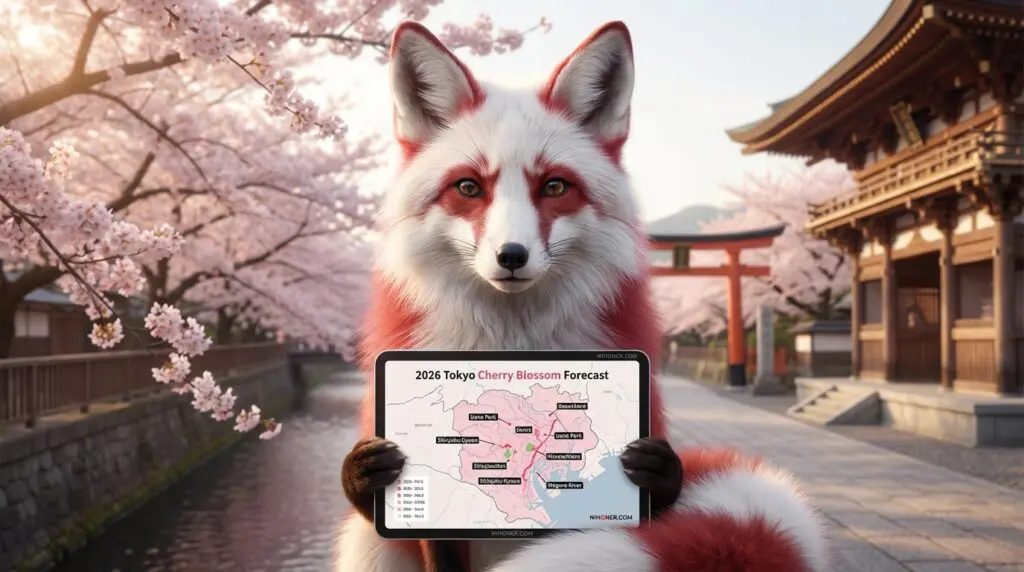
What is Tokyo cherry blossom forecast 2026?

Tokyo cherry blossom forecast 2026
Tokyo cherry blossom forecast 2026 promises an earlier than usual bloom across the capital. Because spring arrives sooner this year, hanami season will kick off earlier. Hanami refers to the act of flower-viewing, and locals still gather under sakura for picnics and photos. Furthermore, evening yozakura illuminations brighten temples and parks, while yaezakura offer later, fuller blooms.
Forecast overview
The Japan Meteorological Corporation predicts blooms to start in Tokyo on March 19, 2026. The peak is expected on March 26, 2026, and the city should be awash in petals by late March. Nearby Kyoto will begin on March 24 and peak on March 31. As a result, many prefectures surrounding Tokyo will be blossomed up by the last week of March.
Planning tips
Because some trees vary, check local updates before booking. Altitude and microclimates can shift dates by days. Meanwhile, if you have limited time, head to the Meguro River for reliable displays. Finally, remember that forecasts can change, so stay flexible.
Tokyo cherry blossom forecast 2026 and hanami traditions
Hanami means flower-viewing, and it shapes spring in Japan. Because petals appear earlier in 2026, many neighborhoods will start planning hanami gatherings sooner. The Japan Meteorological Corporation predicts Tokyo will start blooming on March 19 and reach its peak on March 26. As a result, visitors can time picnics and evening visits around those dates. For official forecast updates, see the Japan Meteorological Agency.
What is hanami?
Hanami refers to the centuries-old habit of admiring sakura trees. Traditionally, families and friends sit under branches for food and drinks. Today, hanami blends laid-back picnics with festival-style viewing. Meanwhile, public parks and riversides fill with sheets, lanterns, and laughter.
Yozakura (yo-za-ku-rah) — night-time illuminated blossoms
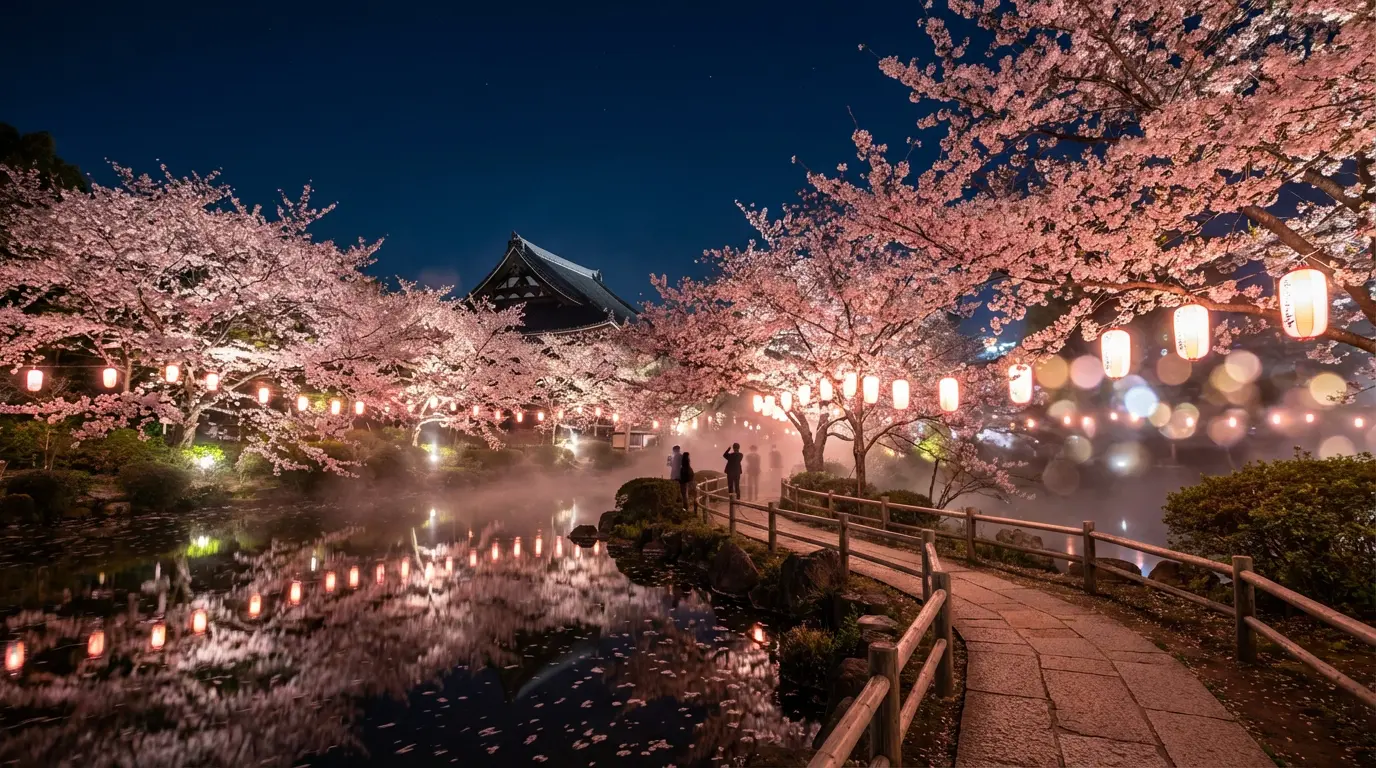
Yozakura means night sakura lit after dark. In Tokyo, many temple gardens and parks host illuminated displays. For instance, theme parks like Yomiuriland stage elaborate light-ups for a magical effect. Because lighting changes depth and color, evening viewing feels intimate and otherworldly. However, expect crowds, so arrive early for good spots.
Yaezakura (ya-eh-za-ku-rah) — late-blooming, layered petals
Yaezakura are double or multi-petaled cherry trees that bloom later. They often flower after the first wave of some varieties. Therefore, yaezakura extend sakura season in Tokyo and Kyoto. Moreover, their dense petals create a ruffled, romantic canopy that photographers love.
Night-time viewing tips and what makes yaezakura special
Tips for yozakura
- Bring a small flashlight for pathways, and carry warm layers because nights stay cool.
- Respect local rules and avoid loud music, because temples often host quiet viewing.
- Go early or visit weekday evenings to avoid large crowds.
Why yaezakura stand out
- They bloom later, extending the viewing window.
- Their many petals create a lush texture and deeper pink tones.
- They often appear in temple gardens and quieter neighborhoods for calm viewing.
For travel planning and practical visitor tips, check Tokyo Cheapo.
| Location | Expected Start Date | Expected Peak Date | Notes |
|---|---|---|---|
| Tokyo | March 19, 2026 | March 26, 2026 | Forecast by the Japan Meteorological Corporation; about a week earlier than usual; citywide peak in late March |
| Kyoto | March 24, 2026 | March 31, 2026 | Starts later than Tokyo; classic viewing spots may peak around this date; altitude and microclimates can delay blooms |
| Arashiyama | March 24, 2026 (approx) | Around March 31, 2026 (varies) | Riverside valley conditions and localized microclimates mean timing can shift; generally follows Kyoto schedule |
Tokyo cherry blossom forecast 2026: top spots and why Meguro River wins
Meguro River ranks as the top recommendation for hanami in Tokyo. Because its walkway lines the river, you get a continuous tunnel of sakura petals. Also, many cafes and small bridges create photogenic frames. Therefore, Meguro offers both daytime blossoms and lovely yozakura lighting in nearby sections.
Meguro River highlights and travel tips
- Arrive by train early to secure a riverside spot, and bring a compact picnic blanket.
- Because evenings draw crowds, try weekday nights for a quieter yozakura experience.
- Pack layers as nights remain cool, and carry a small flashlight for pathways.
- Follow local rules and avoid loud music, because temples and residents value quiet.
Other must-visit viewing spots in Tokyo
Ueno Park remains a classic choice and draws large festivals. The park has broad lawns and many trees, so you can find space despite crowds. However, expect many vendors and lively crowds on weekends.
Shinjuku Gyoen feels calm and park-like, with wide lawns and well tended gardens. It requires an entrance fee, and that reduces crowds. Therefore, Shinjuku Gyoen works well for relaxed daytime hanami.
Chidorigafuchi offers a royal moat view near the Imperial Palace. Rowboats add a scenic touch, and nearby yozakura lights enhance evenings. As a result, it makes for a romantic outing and excellent photos.
Sumida Park frames the Tokyo Skytree and runs along the river. Because it pairs modern skyline views with blossoms, it feels distinctly urban. Meanwhile, accessibility from several stations makes it easy for travelers.
Practical planning advice for visitors
- Check official forecasts and local updates at the Japan Meteorological Agency.
- Read practical visitor tips and local transit advice at Tokyo Cheapo.
- Time visits around the expected March 19 start and March 26 peak for Tokyo cherry blossom forecast 2026, but stay flexible because conditions change.
If you have limited time, head to Meguro River first. It combines convenient transport, dependable blooms, and a magical atmosphere both day and night.
CONCLUSION
Following the Tokyo cherry blossom forecast 2026 helps you plan hanami trips with confidence. Because forecasts give likely start and peak windows, you can book travel and choose prime viewing nights. As a result, you avoid the worst crowds and catch yozakura illuminations or yaezakura later blooms. Remember that weather and altitude can shift timing, so stay flexible and check updates regularly.
For travelers who want deeper cultural and language context, Nihoner.com offers an all-in-one learning platform. Visit Nihoner for tools that enhance your trip and understanding. Nihoner features include:
- Japanese dictionary for fast lookup of words and kanji.
- Pronunciation trainer to practice sakura and hanami terms.
- Structured courses that build real language progress step by step.
- Cultural content that explains traditions like yozakura and yaezakura.
Using Nihoner before and during your visit will enrich your hanami experience. Moreover, learning a few phrases makes interactions friendlier and more rewarding. Therefore, combine the forecast with language practice for smoother travel and fuller cultural appreciation. Finally, plan around the March 19 start and March 26 peak, but keep plans adaptable to nature.
Frequently Asked Questions (FAQs)
When is the best time to see cherry blossoms in Tokyo in 2026?
The forecasted start date is March 19, 2026, with a peak on March 26, 2026. Because this season is about a week early, plan visits in late March. However, weather and microclimates can shift timing by days. For live updates, check the Japan Meteorological Agency.
What is Yozakura and when should I visit for night-time viewing?
Yozakura means illuminated night blossoms. Pronunciation: yo-za-ku-rah. You should visit after dusk when temple and park lights turn on. Arrive early to secure a quiet spot, and bring a small flashlight for paths.
What is Yaezakura and why is it special?
Yaezakura are late-blooming, multi-petaled trees. Pronunciation: ya-eh-za-ku-rah. They bloom after the first wave, therefore extending the sakura season. Their dense petals create fuller, ruffled canopies that photographers prize.
Where are the best spots in Tokyo for hanami?
Meguro River is the top pick for continuous riverside tunnels of blooms. Also try Ueno Park, Shinjuku Gyoen, Chidorigafuchi, and Sumida Park. Each offers a different ambiance and travel convenience.
How should I use the forecast when planning travel?
Use forecast dates to book transport and lodging around peak windows. Also allow flexibility, because altitude and localized conditions can change bloom timing. Finally, check forecasts regularly and plan weekday visits to avoid crowds.