How accurate is the 2026 cherry blossom forecast?


2026 cherry blossom forecast: Tokyo hanami dates, tips and top spots
The 2026 cherry blossom forecast brings thrilling news for Tokyo visitors and locals alike. Because experts predict an early bloom, planning will pay off this season. The forecast shows cherry trees starting around March 19, 2026, and reaching full bloom near March 26, 2026. As a result, hanami parties and night time viewings may fall earlier than many expect. This guide helps you lock in dates, choose great spots, and follow polite hanami etiquette.
Tokyo offers hundreds of prime viewing sites, from riverside promenades to classic parks. However, crowds spike quickly when forecasts point to an early peak. Therefore it makes sense to reserve travel, pick less crowded parks, and arrive early on peak days. Also consider evening illuminations for a different mood. Above all, enjoy the fleeting beauty and respect local customs while celebrating sakura.
Read on for a full schedule, top locations, practical tips, and where to watch updates as the season approaches.

2026 cherry blossom forecast: what to expect in Tokyo and Kyoto
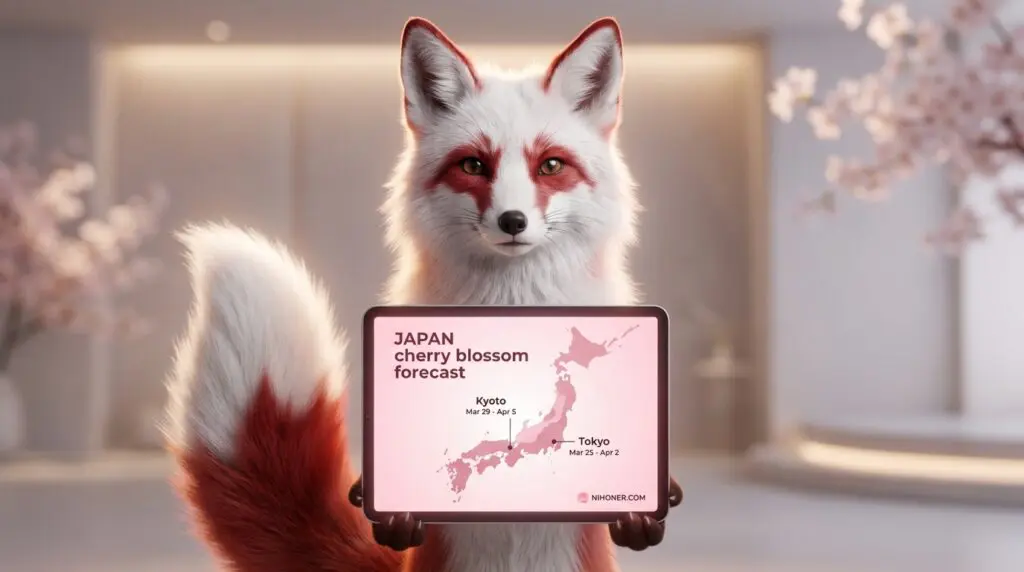
This section explains the 2026 cherry blossom forecast and key dates for Tokyo and Kyoto. Because the Japan Meteorological Corporation predicts earlier blooms, planning matters more than usual. The official forecast indicates Tokyo flowering will start around March 19, 2026. Full bloom in Tokyo is expected near March 26, 2026. Kyoto will start around March 24, 2026 and reach full bloom by March 31, 2026.
For clarity and quick planning, here are the headline dates and facts:
- Tokyo start of bloom about March 19, 2026
- Tokyo predicted full bloom about March 26, 2026
- Kyoto start of bloom about March 24, 2026
- Kyoto predicted full bloom about March 31, 2026
- Forecasts cover roughly 1,000 viewing spots across Japan
- Next forecast update scheduled for January 8, 2026
The Japan Meteorological Corporation bases its forecast on long-term temperature patterns. As a result, the 2026 season looks about one week earlier than average in many areas. For travelers and locals, that means adjust travel dates and reservations sooner. Also consider weekday visits and early mornings to avoid crowds.
Importantly, forecasts can change with the weather. As one advisory reminds readers, “Important: Please remember that this is just a forecast, and it can fluctuate.” Therefore check updates before finalizing plans.
For source details and updates visit the Japan Meteorological Corporation at Japan Meteorological Corporation and read coverage from trusted outlets such as The Straits Times and Tokyo Cheapo.
Don’t miss a single petal this spring says one seasonal guide. However, stay flexible because a warm spell or cold snap will shift dates. Use this forecast to guide bookings, but always watch for updates as spring approaches.
| Spot | City | Expected start of bloom (2026) | Expected full bloom (2026) | Notes |
|---|---|---|---|---|
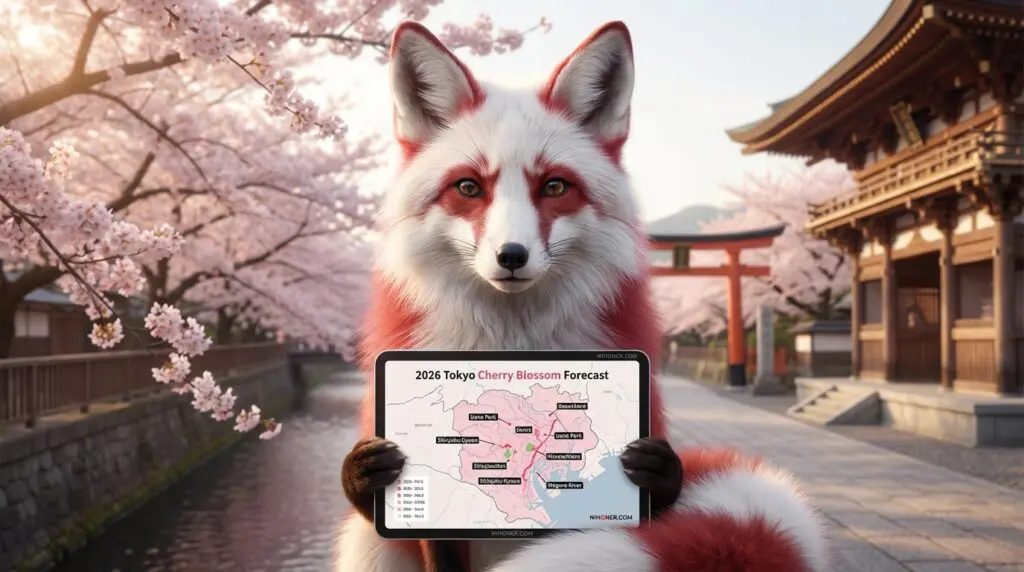
| Meguro River | Tokyo | March 19, 2026 | March 26, 2026 | Riverside walk, popular for evening illuminations and photos |
| Ueno Park | Tokyo | March 19, 2026 | March 26, 2026 | Classic hanami lawns, large crowds on weekends |
| Shinjuku Gyoen | Tokyo | March 19, 2026 | March 26, 2026 | Wide lawns and varied cherry types, quieter mornings recommended |
| Chidorigafuchi | Tokyo | March 19, 2026 | March 26, 2026 | Moat-side blossoms, boat rentals and night illumination |
| Sumida Park | Tokyo | March 19, 2026 | March 26, 2026 | Views toward Skytree, good for evening yozakura strolls |
| Maruyama Park | Kyoto | March 24, 2026 | March 31, 2026 | Central Kyoto, famous weeping cherry and lively night scenes |
| Arashiyama | Kyoto | March 24, 2026 | March 31, 2026 | Riverside and bamboo grove nearby, best early morning visits |
| Philosopher’s Path | Kyoto | March 24, 2026 | March 31, 2026 | Quiet canal walk, ideal for relaxed hanami and photography |
Hanami etiquette and practical tips for 2026
Enjoying sakura responsibly makes hanami memorable for everyone. Because 2026 blooms are early, expect bigger crowds at popular parks. However, a few simple customs and smart moves will improve your experience.
Respectful hanami customs
- Remove trash when you leave and take recycling with you. As a result, parks stay clean for the next group.
- Keep noise levels low and avoid blocking paths. Also respect private property and park rules.
- Do not climb trees or pick blossoms. The flowers are fragile and belong to the community.
- If you set out a sheet, use it while you are present. Otherwise, do not reserve large areas for hours.
Yozakura and cherry varieties
- Yozakura (yozakura, pronounced yoh-zah-koo-rah) means night-time cherry blossom viewing. It adds lanterns and a magical mood.
- Yaezakura (yaezakura, pronounced yah-eh-zah-koo-rah) are double-flowered varieties. They bloom later and add layered texture to walks.
Practical tips for 2026
- Arrive early on peak days to avoid crowds. Weekdays and mornings are best.
- Bring a compact blanket and foldable chairs for comfort. Pack out all waste.
- Check forecasts often because dates can shift. The Japan Meteorological Corporation issues updates.
Using the Kyun♥ Pass
- Buy the Kyun♥ Pass in advance if it covers your lines. It can save money and time.
- Keep the pass and ID handy for inspections. Also read the fine print for blackout dates.
- Finally, combine the pass with off-peak travel to enjoy quieter hanami spots.
Follow these tips and customs to make the 2026 cherry blossom season respectful, fun, and memorable.
CONCLUSION
The 2026 cherry blossom forecast gives travelers a clear planning advantage. Because Tokyo and Kyoto look to bloom earlier, act now on dates and bookings. Planning ahead will help you enjoy peak sakura with fewer crowds. As a result, your hanami will feel relaxed and meaningful.
Nihoner.com is the all in one platform for learning Japanese and experiencing Japan fully. It includes a Japanese dictionary and a pronunciation trainer to build confident speaking. The site also offers structured courses, interactive quizzes, and cultural guides on hanami and etiquette. Therefore using these tools will deepen your visits and help you connect with locals.
Finally, keep checking forecast updates and stay flexible. With smart planning, you will not miss a single petal this spring. Sign up for lesson bundles and sakura alerts to match your travel dates. Also follow Nihoner’s cultural guides before you go to learn local customs.
Frequently Asked Questions (FAQs)
When will cherry blossoms peak in Tokyo and Kyoto in 2026?
The 2026 cherry blossom forecast points to early blooms. Tokyo should start around March 19, 2026. Full bloom in Tokyo is expected near March 26, 2026. Kyoto will start about March 24, 2026 and reach full bloom near March 31, 2026. Because forecasts can change, check updates as spring approaches.
How accurate is the 2026 forecast and should I finalize travel plans now?
Forecasts come from the Japan Meteorological Corporation and cover roughly 1,000 spots. They are reliable but not perfect. Important: Please remember that this is just a forecast, and it can fluctuate. Therefore book flexible tickets or refundable options when possible.
Which Tokyo cherry blossom spots are best for avoiding crowds?
Major sites like Meguro River and Ueno Park draw big crowds. However visit early mornings or weekdays to avoid congestion. Also consider lesser known parks and neighborhood streets for quieter hanami. Use the cherry blossom spots guide in this article for alternatives.
What is Yozakura and which varieties bloom later?
Yozakura means night-time viewing. It creates a magical evening mood with illuminated trees. Yaezakura are double-flowered cherries. They often bloom later and extend the viewing window.
How does the Kyun♥ Pass help during hanami season?
The Kyun♥ Pass simplifies transit across covered lines. Buy it before peak season to save time and money. Also keep pass and ID handy for inspections. Finally combine the pass with off-peak travel to reach quieter hanami spots.