When should you say ojiisan/obaasan to an elder couple?

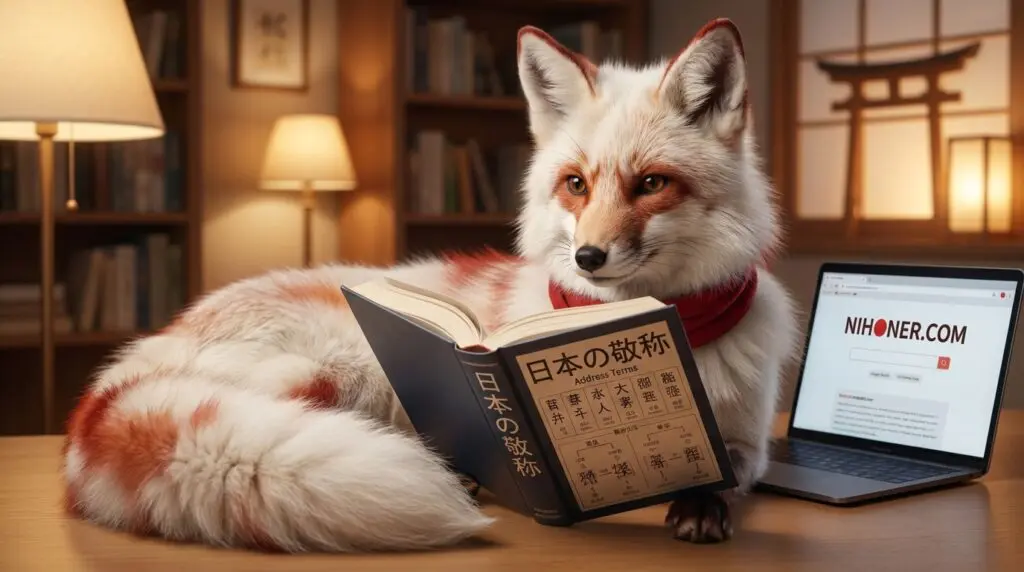
Japanese terms for addressing an elderly married couple (おじいさん / おばあさん)
Japanese terms for addressing an elderly married couple (おじいさん / おばあさん) appear in folktales and daily life alike. This article explains how older Japanese couples address each other in modern speech and in traditional stories.
In many storybooks, narrators call the pair おじいさん (ojiisan, grandfather) and おばあさん (obaasan, grandmother). However, real life shows more variety because couples choose nicknames and family terms. Some elderly people still use おじいちゃん or おばあちゃん with grandchildren, and some call each other those names privately. Others keep using titles like お父さん (otousan) or お母さん (okaasan) for their spouse for decades.
Therefore this piece looks at realistic speech patterns, first person pronouns, and social context. It also explains the stylized convention found in folktales. Couples without children may use おじいさん and おばあさん as well because they do not use parenting titles. As a result this wording is not always unnatural, though it remains somewhat stylized.
Finally, examples and short dialogues will show usage in context, so readers can apply this in study or translation.
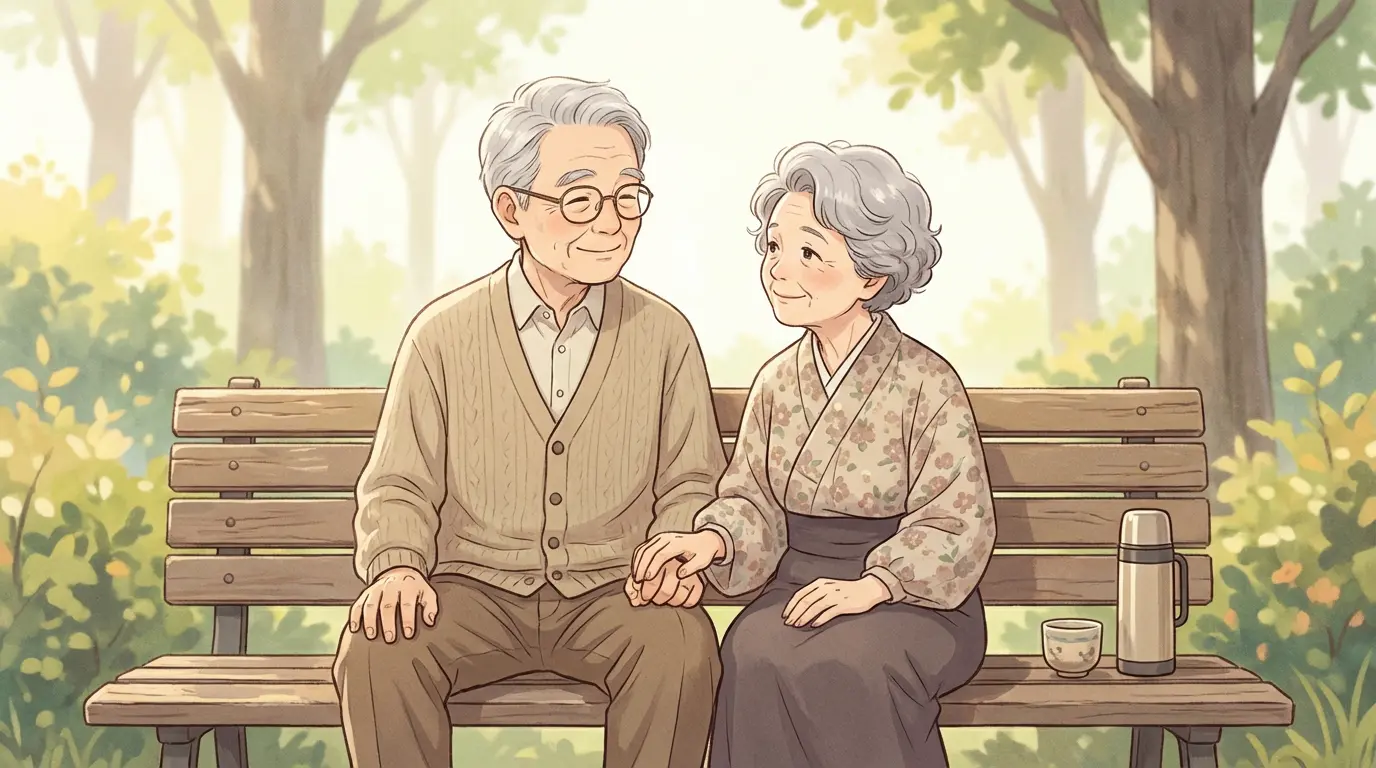
Traditional and Contemporary: Japanese terms for addressing an elderly married couple (おじいさん / おばあさん)
Traditional terms like おじいさん (ojiisan “grandfather” or elderly man) and おばあさん (obaasan “grandmother” or elderly woman) serve two roles. First, they identify elderly figures in folktales and storybooks. For example, classic tales often name protagonists simply as おじいさん and おばあさん. This convention keeps characters archetypal and easy for learners. For concrete classroom material, see a Japan Foundation folktale example at this link.
However, real life shows more nuance and variety. Many older couples use affectionate nicknames such as おじいちゃん (ojiichan “grandpa”) and おばあちゃん (obaachan “granny”) when speaking with grandchildren. In public, they may also use those words for warmth and familiarity. In contrast, some spouses keep using parenting terms like お父さん (otousan “father”) or お母さん (okaasan “mother”) to address each other. This pattern especially appears when couples raised children together. Thus these terms can persist well into old age.
- Common conventional use in stories:
- おじいさん (ojiisan “old man”) and おばあさん (obaasan “old woman”) label unnamed elders
- They simplify narrative roles for learners and readers
- Contemporary real life observations:
- Many say おじいちゃん (ojiichan) and おばあちゃん (obaachan) around grandchildren
- Some couples address each other as お父さん (otousan) or お母さん (okaasan) for decades
People also self-address in varied ways. For example, grandparents may call themselves おじいちゃん (ojiichan “I am grandpa”) in front of children. Meanwhile, a couple without children might use おじいさん (ojiisan) and おばあさん (obaasan) to refer to each other. As a result, the usage is natural yet somewhat stylized. For practical guidance on family language and honorifics, consult the Japan Foundation Irodori PDF at this link.
| Term | Pronunciation (Romaji) | Typical Usage Context | Notes on Stylization or Realism |
|---|---|---|---|
| おじいさん / おばあさん | ojiisan / obaasan | Used in folktales and storybooks; also used to refer to elderly people in narration. | Stylized convention in stories; realistic but formal and somewhat distant. |
| おじいちゃん / おばあちゃん | ojiichan / obaachan | Affectionate nicknames used around grandchildren and in casual settings. | Informal and warm; common in everyday speech and highly natural. |
| パパ / ママ | papa / mama | Used by children to address parents; seldom used between spouses. | Playful or childlike; unlikely as a lifelong form between elderly spouses. |
| お父さん / お母さん | otousan / okaasan | Parenting titles used by children; some spouses use them for each other. | Realistic for couples who kept parental forms; can persist into old age. |
Cultural and psychological insight: Japanese terms for addressing an elderly married couple (おじいさん / おばあさん)
Societal expectations shape how elders speak to each other. Because Japanese culture values respect and role clarity, formal terms remain common. However, intimacy influences choice as much as formality.
Family structure strongly affects term choice. For example, grandparents often say おじいちゃん or おばあちゃん to grandchildren. As a result they may keep using those nicknames privately. Conversely, couples who raised children commonly continue using お父さん or お母さん with each other.
Media and story conventions also guide usage. Folktales and storybooks present elders as おじいさん and おばあさん to simplify roles. Consequently learners assume those terms describe everyday speech. Yet readers should remember this is a stylized convention.
Psychologically, labels confirm identity and social role. Habit and audience shape whether someone self-addresses as grandparent. Also spouses select forms that reinforce intimacy and shared history. For instance, using お父さん with your partner signals a parenting identity, while using おじいさん can mark elder status.
Practical takeaways include
- Presence of grandchildren encourages affectionate nicknames like おじいちゃん and おばあちゃん
- Lack of children makes おじいさん / おばあさん more likely between spouses
- Long relationships favor longstanding nicknames such as お父さん / お母さん
Self-addressing often differs from how spouses call each other. For example, an elderly man might call himself おじいちゃん in front of his grandchildren. Conversely he might call his wife お母さん if that was their long-term habit. Therefore context matters for translators and learners.
CONCLUSION
Japanese terms for addressing an elderly married couple (おじいさん / おばあさん) serve both storytelling and real-life roles. In folktales they act as archetypes, and in modern speech they remain one valid option. However, real families show more variety. Many older couples use affectionate forms like おじいちゃん and おばあちゃん around grandchildren. Others keep parental titles such as お父さん and お母さん with each other. Because context, audience, and habit shape word choice, translators and learners should pay attention to situation and tone.
Nihoner.com supports learners who want to navigate these subtle choices. The platform offers structured courses that teach everyday speech and polite forms, a searchable dictionary with example sentences, a pronunciation trainer to practice natural rhythm, and cultural articles that explain usage in context. As a result learners gain practical skills for reading folktales and for realistic conversation. Nihoner.com aims to bridge classroom study and daily use, helping learners speak and understand with confidence.
Observe real examples, listen to native speakers, and try short dialogues. With practice you will hear when おじいさん or おじいちゃん fits best, and you will use them naturally.
Frequently Asked Questions (FAQs): Japanese terms for addressing an elderly married couple (おじいさん / おばあさん)
Are おじいさん and おばあさん only used in stories?
No. They appear often in folktales and storybooks, however they also occur in real speech. In stories they act as archetypes, while in life they can sound formal or distant. As a result readers should not assume these terms always match everyday private speech.
When do people use おじいちゃん and おばあちゃん instead?
People use those nicknames with grandchildren and in casual settings. For example grandparents often say おじいちゃん when speaking to kids. Because they feel warmer, these forms are informal and natural.
Do spouses ever call each other お父さん or お母さん?
Yes. Many couples who raised children keep using those parental titles with each other. Therefore hearing お父さん or お母さん between elderly spouses is realistic and marks a long shared family role.
What if a couple has no children or grandchildren?
In that case they might use おじいさん and おばあさん with each other. Alternatively they may keep lifelong nicknames they used when younger. Context and habit determine the choice.
How should learners translate these terms in texts?
Translate according to tone and audience. If the scene is a folktale, choose grandpa and granny. However if the scene is intimate, prefer informal names or note the nuance.