What is こんなもんじゃない (usage in Japanese grammar)?


こんなもんじゃない (usage in Japanese grammar) (konna mon janai) meaning “it’s not just this”
Japanese has many small phrases that carry big nuance. In this article we focus on expressions such as あんなもの (anna mono) meaning “that kind of thing” used for distant or dismissive reference, こんなもの (konna mono) meaning “this sort of thing” used for close or minimising reference, and そんなもの (sonna mono) meaning “that sort of thing” used for something near the listener. For example, こんなもんじゃない (konna mon janai) meaning “it’s not just this” often denies that the situation is limited to what was shown.
However, these phrases also shift tone. In casual speech they sound blunt and immediate. In literary or formal writing they can become more measured and ironic. As a result, understanding the difference between degree and kind matters. Next, we will break down common patterns, show clear examples, and point out traps to avoid.
Checkpoint: This intro gives a clear roadmap so you know what to expect and feel ready to read on.
こんなもんじゃない (konna mon janai) meaning “it’s not just this” usage in Japanese grammar
This section explains subtle differences between small phrases that change tone and meaning. We focus on こんなもんじゃない (konna mon janai) meaning “it’s not just this” and related forms such as こんなもの, あんなもの, and そんなもの. Each Japanese phrase below has romaji, translation, and a brief note on usage.
- こんなもの (konna mono) meaning “this sort of thing” or “this much”. Use when referring to something close to the speaker. In casual speech it often minimises value or amount. Example in English: “This kind of thing is not worth my time.” Or when used for degree: “It is not just this much.”
- あんなもの (anna mono) meaning “that sort of thing over there”. Use for distant or dismissive reference. Example in English: “That kind of thing would never work for me.”
- そんなもの (sonna mono) meaning “that sort of thing near the listener”. Use for something the listener knows about. Example in English: “That sort of thing happens all the time.”
- こんなもんじゃない (konna mon janai) meaning “it is not just this”. This phrase denies that the example given is sufficient. It often emphasises degree rather than type. Example in English: “His revenge is not just this. He wants more.”
Degree versus kind
- Degree focus when もの refers to amount or extent. In this case translate as “this much”.
- Kind focus when もの refers to type. Then translate as “this sort of thing”.
Micro FAQ
Q: When does もの mean amount rather than type?
A: When context compares scale or degree rather than category.
Q: Is こんなもんじゃない rude?
A: It can sound blunt in casual speech but less so in formal writing.
Progress tracking promise: See clearer sentences fast when you practise these patterns. Register to track daily practice here.
Premium tip: For improved intonation try Nihoner pronunciation training with native audio for clearer nuance here.
Checkpoint: These short rules bring clarity and show progress as you apply examples in writing and speech.
| Expression | Literal meaning and quick note | Common contexts | Example translation |
|---|---|---|---|
| こんなもんじゃない (konna mon janai) | Literal: “it is not this kind of thing”. Often emphasises degree rather than type. | Casual strong denial; emotional speech; sometimes literary for emphasis. | “It is not just this. His revenge goes further.” |
| こんなもの (konna mono) | Use for things near the speaker. Can minimise value or indicate amount. | Casual minimising; neutral in writing; can imply low worth. | “This kind of thing is not worth my time.” or “It is not just this much.” |
| あんなもの (anna mono) | Refers to something distant from speaker or dismissively remote. | Dismissive in casual talk; distancing in narratives. | “That kind of thing over there would not work for me.” |
| そんなもの (sonna mono) | Refers to something the listener knows or holds. | Familiar comments; explanatory or corrective tone. | “That sort of thing happens often.” |
This comparison offers clarity and certainty about small but important differences in Japanese grammar. In addition, it supports progress visibility as you apply each phrase in practice. Checkpoint: Focus first on もの (mono) used for amount versus kind, then test the distance contrast.
Register to track daily practice and see quick wins here.
Premium tip: For finer control of tone, try Nihoner pronunciation training with native audio for better intonation and nuance here.
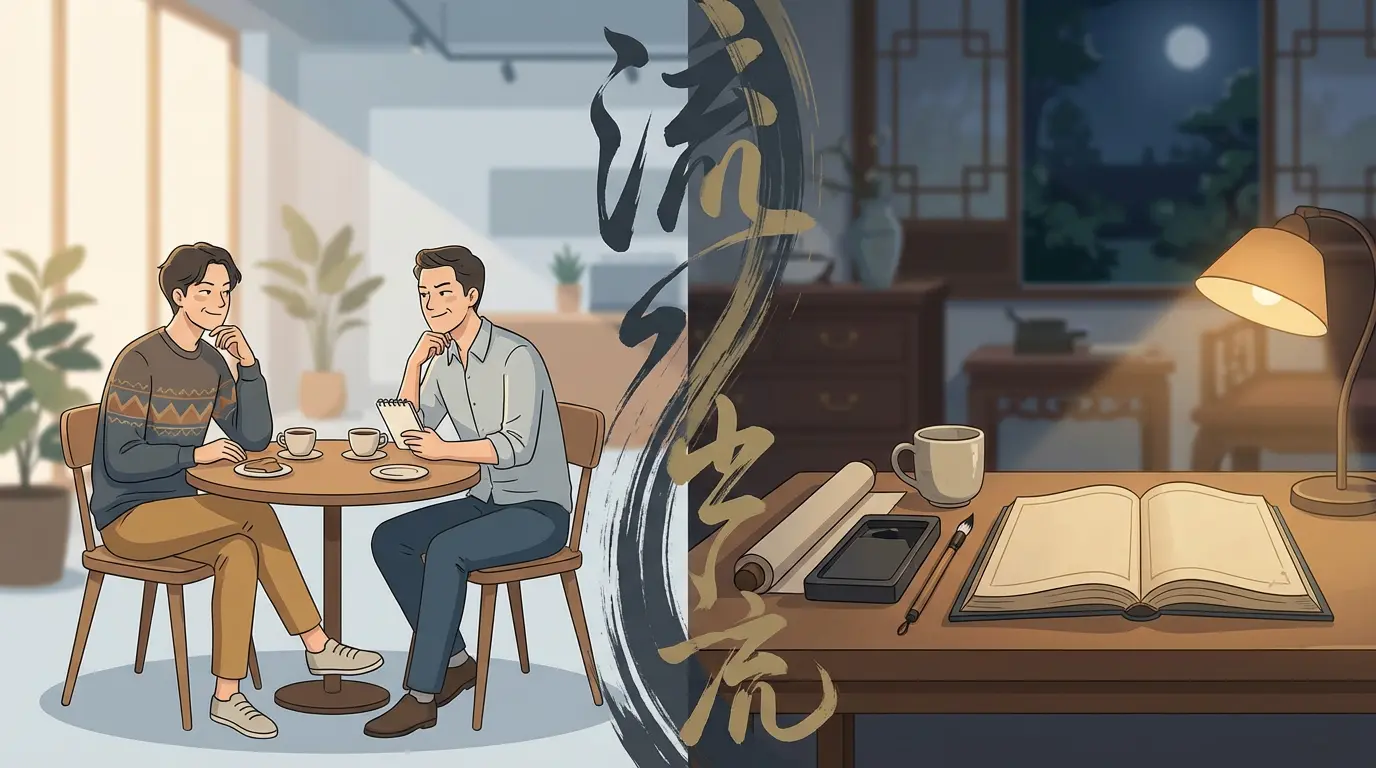
Cultural context and example scenarios
Context shapes how charged words land. Below we link the earlier terms to real scenes and add a contemporary example so transitions feel natural rather than abrupt.
Key terms and quick notes
- かたき (kataki) meaning “enemy” or “target of revenge”. Use in narratives to mark a long standing opponent. Related keywords: grievance, vendetta, antagonist.
- 仇 (ada or kataki) meaning “harm” or “grudge” and by extension the person who caused it. Use depends on whether you name the injury or the enemy. Related keywords: hurt, retaliation, wrong.
Example scenarios
Traditional narrative
A girl loses a friend to a villain. In voiceover she names the villain as her かたき (kataki) to show lifelong motive. This labels the person she will pursue rather than the momentary insult.
Contemporary anime or social media scene
In an anime episode a protagonist might mutter something like “こんなもんじゃない” in a tense fight to signal that the stakes are higher than shown. On social media, a user could post a short clip with the caption こんなもんじゃない to imply that public outrage will continue. Both uses compress emotion into a punchy line that fans immediately recognise.
Emotional connotations and transitions
These words suggest persistent feeling rather than fleeting anger. In written prose they add solemn weight. In everyday speech they read as dramatic, youthful, or performative. To move smoothly from definitions to examples, read the term, then imagine the scene aloud. That small step improves comprehension and keeps the flow from abstract rule to lived usage.
CONCLUSION.
Understanding small phrases changes how you read and speak Japanese. The phrase こんなもんじゃない (konna mon janai) meaning “it’s not just this” shows how a short expression can shift from denying a type to denying an amount. Therefore knowing that difference improves comprehension and expression.
For learners this matters in both casual speech and literary contexts. In addition, choosing こんなもの (konna mono), あんなもの (anna mono), or そんなもの (sonna mono) depends on distance and degree. This conclusion gives clarity and certainty so you can pick the right phrase with confidence.
Nihoner.com is built for learners who want real progress and practical use rather than rote memorization. The platform brings many features together in one place:
- A large Japanese dictionary with fast search and clear meanings
- Real usage examples that show context and nuance
- Native style pronunciation support and a pronunciation trainer
- Structured courses from beginner to advanced
- Smart flashcards, quizzes, and game based practice
- Cultural guides and practical travel phrases
Use these resources to study more efficiently and remember what you learn. Track small wins to see progress visibility as you move from recognition to confident use.
Frequently Asked Questions (FAQs)
What does こんなもんじゃない mean and how is it used?
こんなもんじゃない (konna mon janai) meaning “it is not just this” denies that an example or amount is sufficient. Use it when you want to stress degree rather than type. For example, in a revenge narrative it can mean “this is not enough” rather than “this kind of thing.” This phrasing appears often in emotional or emphatic speech.
How do こんなもの, あんなもの, and そんなもの differ?
こんなもの (konna mono) meaning “this sort of thing or this much” refers to things near the speaker. あんなもの (anna mono) meaning “that sort of thing over there” distances or dismisses. そんなもの (sonna mono) meaning “that sort of thing near the listener” points to known items. In short, distance and familiarity determine choice, while context decides if もの (mono) means amount or kind.
When does もの mean amount versus type in Japanese grammar?
もの (mono) often means amount when the sentence compares scale or degree. It means type when you talk about category or quality. Look for verbs and adjectives that signal measurement or comparison to infer amount. If the sentence classifies or labels, treat もの as type.
Are expressions like こんなもんじゃない rude or informal?
こんなもんじゃない can sound blunt in casual speech because もん (mon) is colloquial. However, authors use it in literary contexts to add irony or force. Choose softer alternatives in polite situations.
Where can I ask targeted questions about nuance and examples?
You can post precise questions on language communities such as Japanese Stack Exchange to get expert feedback. Pair community answers with focused practice in Japanese grammar to build confidence.