Why does こんなもんじゃない usage (Japanese grammar) change tone?


Mastering the Art of こんなもんじゃない: Usage and Nuances in Japanese Grammar
Understanding the subtle nuances of Japanese expressions can be a rewarding journey. Expressions like こんなもんじゃない (konna mon ja nai), meaning “it’s more than this,” often perplex learners due to their layered meanings. Such expressions can change context significantly when choosing between words like こんなもの (konna mono) and あんなもの (anna mono). In Japanese grammar, grasping the intricate differences in phrases adds depth to your communication skills and enriches your linguistic adventures. This guide will untangle these subtleties and help enhance your Japanese mastery.
This introduction explains the basic uses of two common pointing expressions and why subtle choices matter. The phrase こんなもんじゃない usage (Japanese grammar) appears when a speaker wants to say that something is not just as simple or small as it seems. こんなもの (konna mono) meaning “this kind of thing” is used for items or situations near the speaker or in the immediate context. In contrast, あんなもの (anna mono) meaning “that kind of thing” points to items or ideas farther from the speaker or more detached emotionally.
In translation, both phrases often render as “this thing” or “that thing” in English. However, nuance depends on context and the implied quantity or type. The particle もの here covers both amount and kind. For clarity, think of ものの用法(量と種類) (mono no youhō) meaning “the usage of mono for quantity and type”. For example, こんなもの can imply a small or trivial amount, whereas it can also categorize a type of item or behavior. In addition, こんなもんじゃない may contrast expectations by saying something is “more than this” or not limited to the present example.
Checkpoint: Choose こんなもの when you mean a nearby example, and choose あんなもの when you point to a distant or emotionally distant example.
For clearer practice and step by step progress, try Nihoner free membership to use its huge dictionary and quizzes that reinforce these contrasts. Sign up to track your progress and unlock structured practice: Nihoner Free Membership.
For deeper grammar notes see the Nihoner grammar hub: Nihoner Grammar Hub.
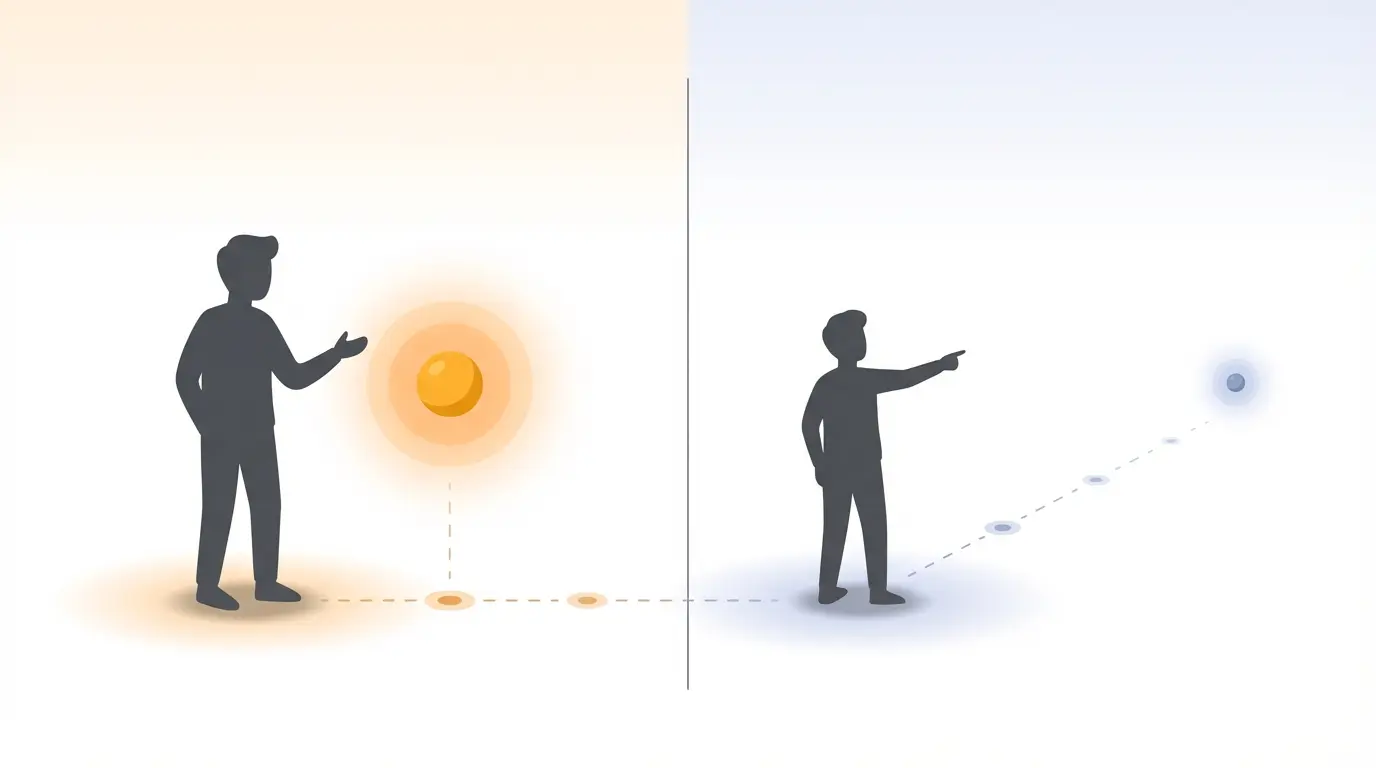
The phrase こんなもんじゃない (konna mon ja nai) meaning “it is not just this much” often works as an idiom. It signals that reality exceeds a simple example or expectation. For learners, this phrase moves beyond literal quantity and into emphasis and attitude.
For example:
- 彼の怒りはこんなもんじゃない。 (kare no ikari wa konna mon ja nai) meaning “His anger is not just this much” used to imply much stronger feelings.
- この結果はこんなもんじゃない。 (kono kekka wa konna mon ja nai) meaning “This result is more than this” used when the outcome is bigger than expected.
In these cases, こんなもんじゃない shifts tone. It adds force, surprise, or correction. It contrasts with plain こんなもの (konna mono) meaning “this kind of thing” which labels a nearby example. It also differs from あんなもの (anna mono) meaning “that kind of thing” which points outward or feels detached.
Compare with revenge vocabulary to avoid confusion. 復讐 (fukushuu) meaning “revenge” refers to deliberate retaliation. 仇 (kataki) meaning “enemy or avenger” labels a person who caused harm. こんなもんじゃない does not claim revenge. Instead, it emphasizes scale or intensity. For example, the sentence using 仇 would sound focused on wrongdoing and retaliation. Meanwhile, こんなもんじゃない keeps the comment about degree or expectation.
Try this now: Replace “it is more than this” in three simple English sentences with こんなもんじゃない in Japanese and note the stronger tone.
Progress tracking promise: If you want guided practice that shows improvement, join Nihoner free membership for stepwise drills and a large dictionary to review examples.
Premium help: For clearer intonation and nuance, try Nihoner pronunciation training with native audio. It helps you hear stress and pitch for natural delivery.
Checkpoint: Use こんなもんじゃない to push past a simple example and show that reality is larger or stronger.
| Expression | Literal meaning and romaji | Nuance and typical contexts | Example sentence and translation |
|---|---|---|---|
| こんなもの (konna mono) | こんなもの (konna mono) meaning “this kind of thing” | Near the speaker; labels a nearby item or example; can imply a small or trivial amount or a category | こんなものはすぐ直る。 (konna mono wa sugu naoru) meaning “This kind of thing will be fixed quickly.” |
| あんなもの (anna mono) | あんなもの (anna mono) meaning “that kind of thing” | Farther from the speaker; emotionally detached or dismissive; points to examples outside the immediate context | あんなものは信用できない。 (anna mono wa shinyou dekinai) meaning “You cannot trust that sort of thing.” |
| こんなもんじゃない usage (Japanese grammar) | こんなもんじゃない (konna mon ja nai) literal “not just this much” | Idiomatic emphasis that reality exceeds the example; used to correct expectations or show stronger degree or surprise | 彼の怒りはこんなもんじゃない。 (kare no ikari wa konna mon ja nai) meaning “His anger is far stronger than that.” |
For a deeper look at ものの用法(量と種類) and related grammar, see the Nihoner grammar notes: もの usage and grammar notes.
Progress tracking promise: Want clear examples and steady improvement? Join Nihoner free membership to practice these contrasts with quizzes and a large dictionary that helps you see progress over time: free membership.
CONCLUSION
Understanding small pointing words makes a big difference. こんなもの (konna mono) meaning “this kind of thing” is used to point to items or examples near the speaker. It often labels a concrete object or a close example. On the other hand, あんなもの (anna mono) meaning “that kind of thing” points to things farther away or to ideas you want to distance yourself from. Most importantly, こんなもんじゃない usage (Japanese grammar) refers to こんなもんじゃない (konna mon ja nai) meaning “not just this much” and it works idiomatically to show that something exceeds a simple example or expectation.
These distinctions matter for tone and translation. For clarity, this summary shows when to choose each phrase and why. In addition, practicing short example sentences improves confidence quickly. Try converting English sentences into Japanese while keeping the tone in mind.
Nihoner.com serves as an all in one platform for real progress. It includes a huge dictionary, a pronunciation trainer with native audio, structured courses, flashcards, quizzes, and cultural content. Use those resources to practice natural intonation and real life usage.
Progress tracking promise: Start a free account to log practice and measure improvement step by step.
Checkpoint: こんなもの (konna mono) means “this kind of thing” for nearby examples, あんなもの (anna mono) means “that kind of thing” for distant examples, and こんなもんじゃない (konna mon ja nai) means “it is more than that.”
Frequently Asked Questions (FAQs)
What is the main difference between こんなもの (konna mono) and あんなもの (anna mono)?
こんなもの (konna mono) meaning “this kind of thing” points to something near the speaker. In contrast, あんなもの (anna mono) meaning “that kind of thing” points to something farther away or emotionally distant. For learners, use こんなもの for close examples and あんなもの for distant or dismissive examples.
When do I use こんなもんじゃない (konna mon ja nai) idiomatically?
こんなもんじゃない usage (Japanese grammar) signals that a situation is larger or stronger than shown. For example 彼の怒りはこんなもんじゃない (kare no ikari wa konna mon ja nai) meaning “His anger is far stronger than that.” Use it to correct expectations or add emphasis.
What does ものの用法(量と種類) (mono no youhō) mean?
ものの用法(量と種類) (mono no youhō) means “the use of mono for amount and type.” It explains how もの can mark quantity or category. In addition, context decides if it reads as small amount or a type.
Do phrases like こんなもんじゃない imply revenge or 仇 (kataki) / 復讐 (fukushuu)?
No. 仇 (kataki) meaning “enemy or avenger” and 復讐 (fukushuu) meaning “revenge” focus on retaliation. Instead, こんなもんじゃない expresses degree or surprise. It does not claim intent to harm.
How should I practice these contrasts?
Make short sentence swaps and compare tones. For example, swap こんなもの and あんなもの in sample lines. Also, record yourself and listen back to spot nuance.
Confidence booster: You can build natural usage steadily. Try Nihoner free membership for guided drills, a huge dictionary, and quizzes that reduce anxiety while building clarity and certainty.