How does Japanese particle と usage (first と) work?


Understanding the Particle と: Japanese particle と usage (first と) and When Multiple と Appear in One Sentence
This article explores Japanese particle と usage (first と) to clarify why two と can appear together. Understanding this nuance matters for reading, speaking, and translation. For example, one と often marks quoted speech, while another marks a conditional or listing. Because those functions overlap, learners often feel confused by repeated と. However, recognizing the role of each と resolves ambiguity and improves comprehension.
We will analyze authentic sentences, such as the Smartphone Law example, to show real use. Additionally, we explain first と versus second と with clear steps and patterns. Therefore, you will learn to parse complex sentences with confidence. This guide pairs explanation with practical tips and comparison charts for clarity. As a result, you will spot whether a と names, quotes, or links actions. Read on to sharpen your grammar intuition and reduce translation errors. We also contrast と with related particles to broaden perspective and avoid common pitfalls. By the end, you will handle sentences with multiple と with ease.
Japanese particle と usage (first と): Quotative と in という
The first と often functions as a quotative particle. Therefore it marks words or short phrases that are quoted or named. In practice, it appears before verbs such as 言う (to say) or 呼ぶ (to call). When combined with 言う, the pair becomes the modifier という. For example, the sentence 『スマホ法』という新しい法律が始まりました。 shows this exact pattern.
Romaji and meaning for the example
- Romaji: ‘Sumaho-hō’ to iu atarashii hōritsu ga hajimarimashita.
- English: A new law called the Smartphone Law has begun.
How the first と works here
- Quotation marker: The と attaches directly to 『スマホ法』 and marks it as the quoted name or title. As a result, という literally means “called” or “that is said.”
- Naming and labeling: Because という turns a quoted phrase into a modifier, it can label nouns that follow. Consequently, the structure links a name to the noun it describes.
- Common verbs: The pattern often appears with
言う,呼ぶ,名付ける, and similar verbs.
Quick examples with romaji and translations
- 彼は「先生」と言った。
Romaji: Kare wa ‘sensei’ to itta.
English: He said “teacher.” - 東京という都市
Romaji: Tōkyō to iu toshi.
English: A city called Tokyo.
Practical tips
When you see という, first ask what the quoted material names. Then read the rest of the phrase as a modifier. For extra reference on particle functions, see Tae Kim’s guide and community discussion at Japanese Stack Exchange where learners share real examples.
Second と: Listing and Conditional Uses and Distinction from Japanese particle と usage (first と)
The second と often serves functions quite different from the quotative と. First, it can act as a listing connector. For example, in lists it links items without commas. Romaji: Ringo to banana to mikan. English: Apples, bananas, and mandarins.
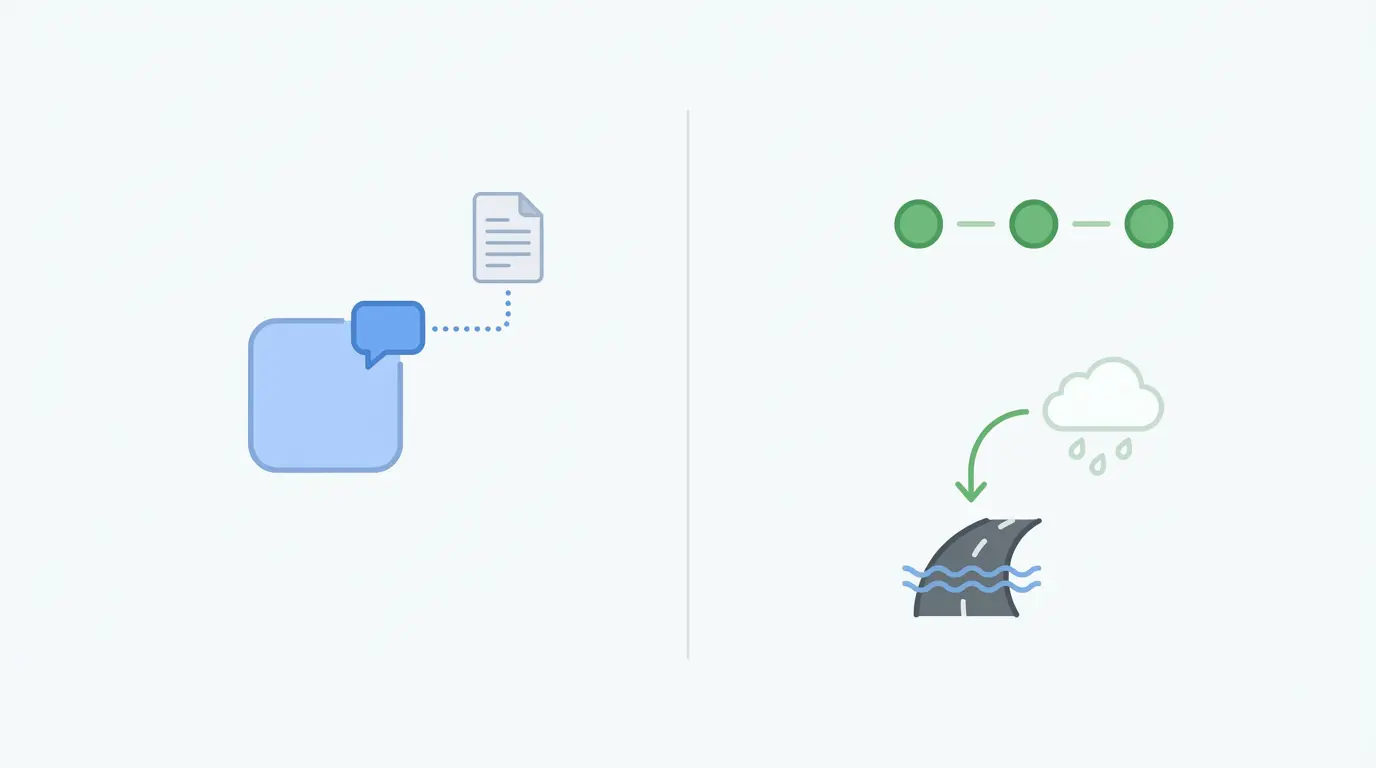
Second, と marks natural or inevitable results in conditional clauses. For this use, it means “when” or “if” for repeated or general events. Example: 雨が降ると道が濡れます.
Romaji: Ame ga furu to michi ga nuremasu.
English: When it rains, the roads get wet.
Compare with the first と
The first と frequently quotes or names, as we explained in the という pattern. By contrast, the second と links items or creates conditional relations. Therefore you must identify which と performs which role.
Examples that combine roles
- Quote plus list:
「赤」と「青」と白Romaji:
'Aka' to 'ao' to shiroEnglish: Red, blue, and white (quoted items).
- Note the example sentence from our facts:
"『スマホ法』という新しい法律が始まりました。"This example supports our point that quotativeとappears in real text. Also note the explicit fact: “There are two instances of the particleとin the example sentence.” Finally, the fact clarifies meaning: “A new law called the Smartphone Law has begun (始まりました) in the example sentence.”
Practical check
- When you see multiple
と, first findというor言う. Then check whether otherとs join items or form conditionals. For deeper reference on conditionalと, see this guide and community examples at Japanese Stack Exchange where learners discuss edge cases.
| Usage | Function | Example Sentence (Japanese / Romaji / English) | Tips for learners |
|---|---|---|---|
| Quotation (という) | Marks a quoted name or phrase and converts it into a modifier. | 『スマホ法』という新しい法律が始まりました。 / ‘Sumaho-hō’ to iu atarashii hōritsu ga hajimarimashita. / A new law called the Smartphone Law has begun. | Read という as “called” or “that is said.” For reference, see this guide on Japanese particles. |
| Listing (と between nouns) | Connects items in a list, similar to “and.” | りんごとバナナとみかん / Ringo to banana to mikan / Apples, bananas, and mandarins. | Memorize that と links nouns directly. Also, practice serial lists aloud. For examples, search community threads at Japanese Stack Exchange. |
| Conditional (verb + と) | Expresses natural or inevitable result; means “when” or “if” for general truths. | 雨が降ると道が濡れます。 / Ame ga furu to michi ga nuremasu. / When it rains, roads get wet. | Notice tense and generality. Therefore, do not use it for one-off suppositions. See guide above for contrast with other conditionals. |
| Combined uses (quote plus list or condition) | Two or more と can appear with distinct roles in one sentence. | 「赤」と「青」と白 / ‘Aka’ to ‘ao’ to shiro / Red, blue, and white (quoted items). | First, identify という or 言う. Then label remaining と as listing or conditional. As a result, parsing becomes easier. |
Related keywords and semantic variants
- と particle, first と vs second と, quotative と, conditional と, listing と.
- For study, compare examples and read short dialogues. However, always test parsing by locating という first.
CONCLUSION
Understanding how multiple と appear in a single sentence removes much of the guesswork in Japanese grammar. First, identify Japanese particle と usage (first と) as the quotative marker in patterns like という. Then, treat subsequent とs as separate tools: they often connect nouns in lists or mark conditional, natural results. Therefore, parsing becomes a stepwise routine—find the quote, label it, and read remaining とs for listing or condition. However, context still matters because Japanese allows compact, layered phrases. As a result, practice with authentic texts will speed recognition and build confidence.
Nihoner.com company profile
Nihoner.com offers a comprehensive Japanese learning platform built for practical progress beyond memorization. The site focuses on speed, clarity, and consistency, delivering bite-sized lessons and real examples that reflect actual language use. Learners receive clear explanations, repeated practice, and progressively tougher exercises that reinforce pattern recognition. In short, Nihoner.com helps students move from confusion to confident comprehension, especially when parsing complex sentences with multiple particles.
Frequently Asked Questions (FAQs)
How can two と appear in one sentence?
Two と appear when they serve different roles. First, Japanese particle と usage (first と) often marks quoted names with という. For example: 『スマホ法』という新しい法律が始まりました。 Romaji: ‘Sumaho-hō’ to iu atarashii hōritsu ga hajimarimashita. English: A new law called the Smartphone Law has begun. Second と can link items or form a conditional.
How do I tell listing と from conditional と?
Check what follows each と. If a noun follows, it often lists items. For example: りんごとバナナとみかん / Ringo to banana to mikan / Apples, bananas, and mandarins. If a verb follows, it may be conditional. For example: 雨が降ると道が濡れます。 / Ame ga furu to michi ga nuremasu / When it rains, roads get wet.
Can という appear without 言う?
Yes. Therefore という often functions as a naming or labeling modifier, not just a direct quote.
Does word order affect meaning?
Yes. As a result, parse left to right. First locate という or 言う, then interpret remaining とs.
Where should I practice further?
Read short news or dialogues and parse particles. Also consult guides like Guide to Japanese and community examples at Japanese Stack Exchange.