Which Tokyo events February 2026 are must-see for travelers?

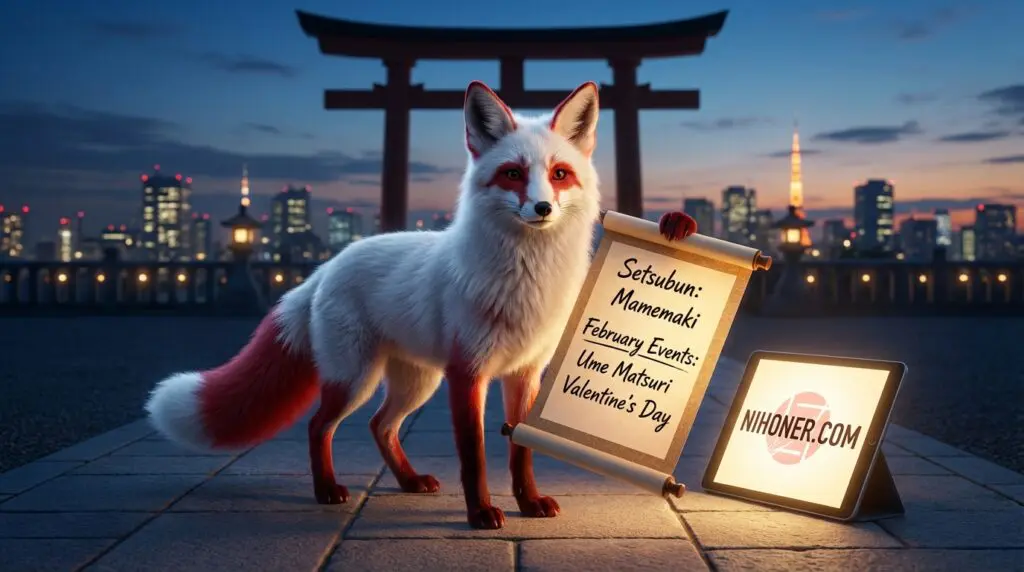
Tokyo events February 2026: Festivals, Food, and Winter Illuminations
Tokyo events February 2026 bring a lively mix of festivals, food fairs, and winter illuminations across the city. From temple rituals to pop culture openings, every visit offers fresh experiences. This guide highlights standout celebrations and practical travel tips.
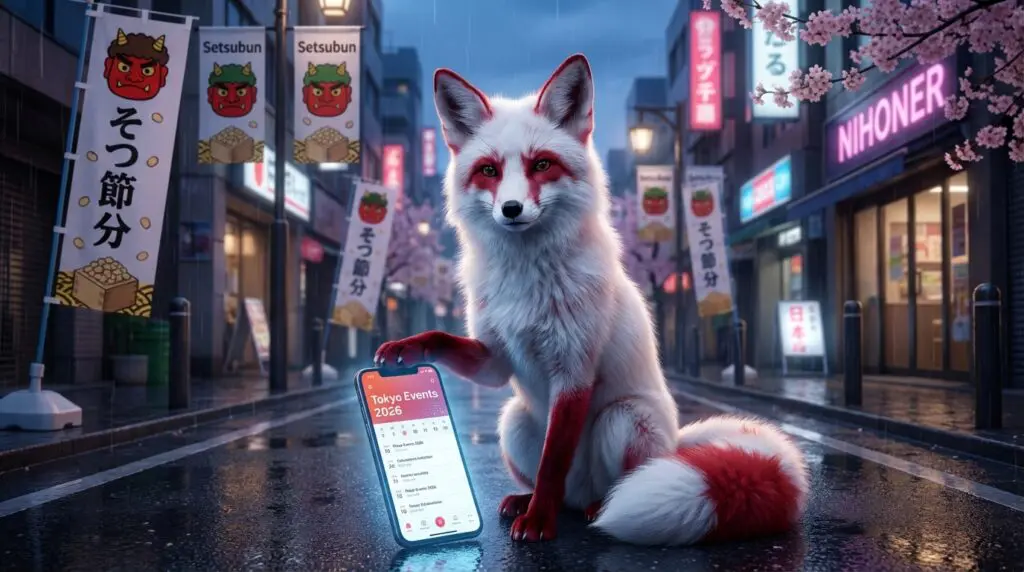
For example, Setsubun (setsubun) meaning “bean throwing festival” is marked at temples on February 2 to drive out bad luck. Later in the month, Yoyogi Park hosts the Sakana and Japan Festival with free entry. You will find colorful parades, craft markets, live music, and unique food stalls.
Meanwhile, Yokohama’s Chinatown celebrates Lunar New Year with lanterns and parades. Read on for clear plans, simple etiquette, and ideas to make the most of each event. Along the way grab small achievable wins like arriving early for prime spots and sampling festival snacks.
Checkpoint: Expect lively crowds, seasonal treats, and distinct Tokyo charm.
Setsubun celebrations: temple rituals and bean throwing (February 2)
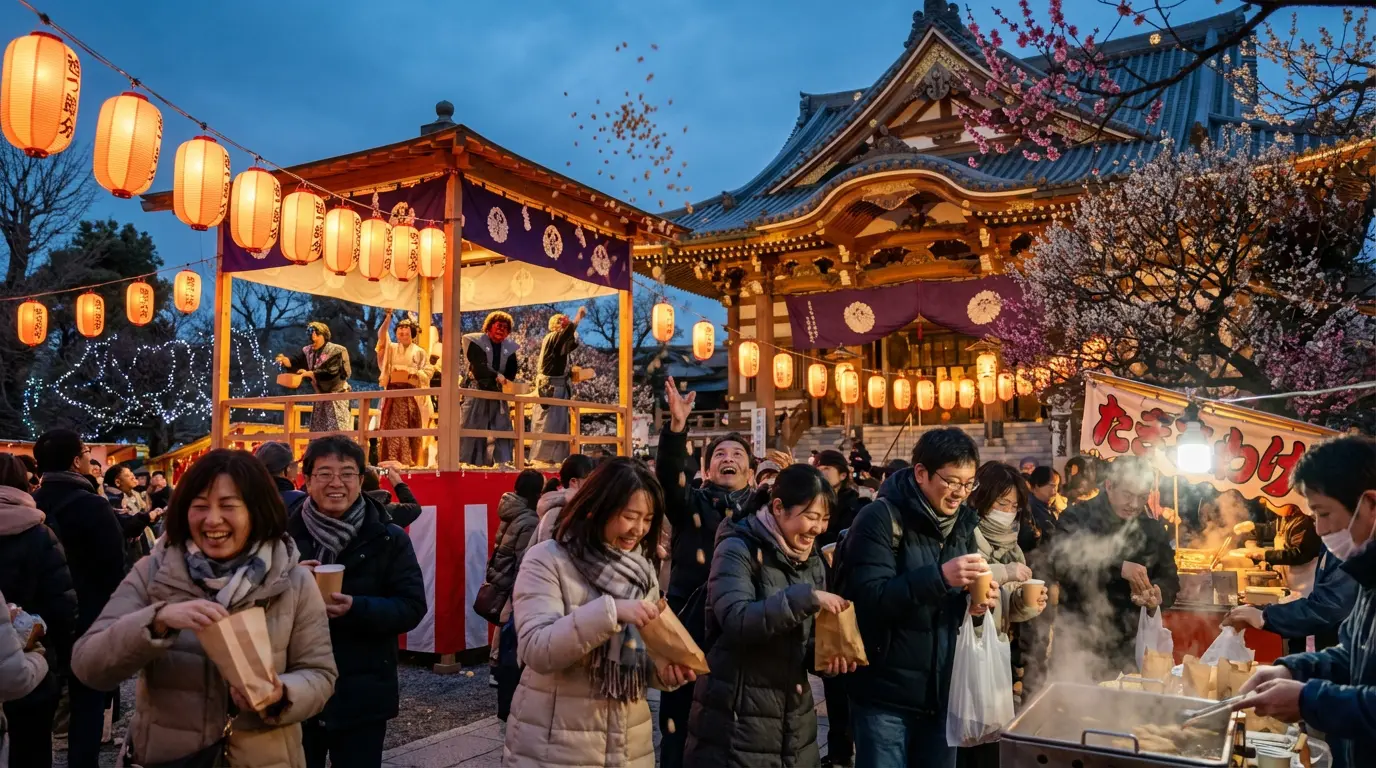
Setsubun is Tokyo’s lively bean throwing ritual. On February 2 many temples and shrines host mamemaki ceremonies to drive away bad luck. Large events often feature celebrity guests, ritual dances, performances, and free food or giveaways. Visit neighborhood shrines in Nakai or Ochiai for a local feel, or head to major temples for bigger spectacles. Etiquette tip: stand back during bean throwing and wait for staff to invite spectators forward. In addition, be respectful during prayers and avoid loud conversation. For clarity and certainty plan to arrive early to secure a good viewing spot.
Lunar New Year in Yokohama Chinatown: lanterns and parades (February 17 to March 3)
Yokohama Chinatown celebrates the Chinese Spring Festival with lantern displays, lion dances, and a Chinatown Celebration Parade. The event runs near Motomachi Chukagai Station and offers free entry. Expect colorful lanterns, specialty foods, and family friendly performances. For visitors this is a great chance to enjoy Lunar New Year traditions close to Tokyo. Many travelers recommend combining the parade with a walking food tour to taste festival specialties.
Some no Komichi (Fabric-Dyeing Festival) at Terahitoshi Bridge (February 20 to 22)
Some no Komichi is a craft focused festival held at Terahitoshi Bridge. Watch live dyeing demonstrations, browse artisan stalls, and see finished textiles on display. Entry is free. This festival highlights traditional craft techniques and local artists. As a result you will find unique souvenirs and chances to speak with makers.
Sakana and Japan Festival at Yoyogi Park (February 20 to 23)
Sakana and Japan Festival takes place in Yoyogi Park Events Square. The festival offers seafood stalls, cooking demos, and live music. Entry is free and family friendly. Meanwhile add this to your Tokyo winter illuminations route if you are exploring seasonal lights around the city.
Kawaii Monster Land Grand Opening and Harajuku highlights (February 13)
The Kawaii Monster Land Grand Opening in Harajuku invites visitors to pop culture themed spaces near Takeshita Street. Hours start at 10 a.m and admission varies by age. After the event stroll Takeshita Street for shop browsing and colorful cafes. If you want quick festival phrases and basics for navigating Tokyo events try this resource: Learn basic festival phrases on Nihoner.
Try this now: pick one event and map public transit travel time to arrive 30 minutes before the start.
Ready to track your progress and join low stress practice sessions? Sign up for a free Nihoner membership and save event focused notes and flashcards: Nihoner Free Membership.
| Event Name | Dates | Location | Admission Fee | Main Highlights |
|---|---|---|---|---|
| Setsubun | Feb 2, 2026 | Major temples and neighborhood shrines | Free | Mamemaki bean throwing, ritual dances, celebrity guests, giveaways |
| Lunar New Year — Yokohama Chinatown | Feb 17–Mar 3, 2026 | Motomachi Chukagai Station area, Yokohama Chinatown | Free | Lantern displays, lion dances, Chinatown Celebration Parade, festival foods |
| Some no Komichi Fabric Dyeing Festival | Feb 20–22, 2026 | Terahitoshi Bridge | Free | Live dyeing demonstrations, artisan stalls, textile displays |
| Sakana and Japan Festival | Feb 20–23, 2026 | Yoyogi Park Events Square | Free | Seafood stalls, cooking demos, live music |
| Ashigakubo Icicles Illumination | Jan 8–Feb 23, 2026 | Ashigakubo area | Adults ¥600; Children ¥300 | Icicle illumination, seasonal lights, winter scenery |
| Kawaii Monster Land Grand Opening | Feb 13, 2026 | Kawaii Monster Land, Harajuku near Takeshita Street | Adults ¥2,800; Children ¥1,400 | Pop culture exhibits, themed cafés, colorful photo spots |
Attending Tokyo Festivals in February
Attending Tokyo festivals in February means mixing celebration with respect. Setsubun (setsubun) meaning “bean throwing festival” is a central ritual. During mamemaki spectators often catch beans thrown from shrine platforms. Be polite and stand back until staff invite you forward. For smaller neighborhood events in Nakai (nakai) meaning “Nakai neighborhood” and Ochiai (ochiai) meaning “Ochiai neighborhood” follow local cues and keep voices low.
Dress warmly and layer clothing because February can feel cold in Tokyo. Wear comfortable shoes for standing and walking between venues. If you plan to combine Harajuku (harajuku) meaning “Harajuku neighborhood famed for youth fashion” visits with shrine events, allow extra time for crowded streets like Takeshita Street (Takeshita dori) meaning “popular pedestrian shopping street”.
For Lunar New Year celebrations treat lion dances and lantern rituals with quiet appreciation. Do not step into performance spaces, and ask before photographing children or shrine officials. In addition offer thanks when you receive omamori or festival freebies and avoid disruptive behavior near prayer areas.
Reduce anxiety by preparing a simple phrase list and practicing key pronunciations. For clarity try a short rehearsal at home so you feel confident meeting vendors and volunteers. Identity wise join the local rhythm by following queue lines and using polite gestures.
Premium feature: Practice pronunciation with Nihoner’s pronunciation training with native audio to sound natural during greetings and quick exchanges. It helps you approach events with lower anxiety and clearer confidence. Learn more: Nihoner’s Pricing
Checkpoint: Dress warm, follow staff directions at rituals, and arrive early for the best spots.
Want a low pressure start? Sign up and save event notes on Nihoner: Nihoner Free Membership
More on pronunciation practice: Pronunciation Trainer
Tokyo events in February 2026 offer lively festivals, seasonal lights, and hands-on cultural moments across the city. Whether you join Setsubun rituals or visit Yokohama Chinatown for Lunar New Year, these experiences reward curiosity and planning. In addition, Nihoner.com helps you prepare with clear learning paths and tools so you can attend events with confidence.
Nihoner.com company profile
- Large searchable dictionary for quick look-ups
- Native audio pronunciation support to practice real speech
- Structured courses that build skills step by step
- SRS flashcards for steady vocabulary retention
- Short quizzes to test progress and confidence
- Cultural content covering Japan’s cities and practical festival phrases
Join free to save notes, track progress, and rehearse festival phrases: Nihoner Free Membership. For clarity you will find clear steps to prepare, and you can visibly track your progress as you learn. Enjoy Tokyo with more confidence and warm curiosity.
Frequently Asked Questions (FAQs)
When is the best time to visit Tokyo events in February 2026?
Mornings work well for ritual events because crowds are smaller. Evenings are best for illuminations and food stalls. For clarity and certainty arrive thirty to sixty minutes before major ceremonies to secure a good spot.
How do I participate safely in Setsubun (setsubun) meaning “bean throwing festival”?
Stand back until staff invite spectators forward. If you catch beans, bow or say thank you to show respect. Do not push into crowds and follow staff directions to avoid disruption.
What is the easiest way to travel between festival venues like Yoyogi Park and Yokohama Chinatown?
Use the train network and plan routes in advance. For example ride to Yoyogi Station for Yoyogi Park and Motomachi Chukagai Station for Chinatown. Meanwhile allow extra time for crowded transfers.
What should I wear for winter festivals and walks around Harajuku and Takeshita Street?
Layer warm clothing and choose comfortable shoes for walking. Bring a compact umbrella in case of wet weather and pack a scarf for cold winds.
Are these festivals family friendly and are there fees?
Most street festivals and illuminations are free. However some attractions like Kawaii Monster Land have admission fees. As a result plan ahead for paid venues and arrive early to avoid lines.