Rendaku allophones of /zu/ depend on the original voiceless phoneme?


Does the Rendaku Allophone of /zu/ Depend on the Original Voiceless Phoneme?
When discussing Japanese phonology, especially the phenomenon of rendaku, the intricacies of allophones often capture the interest of language enthusiasts. One pressing question arises: does the rendaku allophone of /zu/ depend on the original voiceless phoneme? This query delves into the intricate operation of allophones in the Japanese language, examining whether the allophone produced, such as /dzu/ from /tsu/ or /zu/ from /su/, is influenced by the voiceless phoneme it originates from. With numerous claims circling this topic, it’s crucial to dissect these assertions cautiously to determine the truth.
Introduction to rendaku and the allophone /zu/
This article asks whether rendaku allophones of /zu/ depend on the original voiceless phoneme. Rendaku is a common morphophonological process in Japanese that voices the initial consonant of a noninitial element in a compound. However, the surface outcome can vary, and phonologists debate what conditions that variation.
Allophones are alternate pronunciations of a phoneme that do not change meaning, and here we focus on the allophone realized as /zu/. For example, some writers claim that an original /tsu/ yields a /dzu/ allophone while /su/ yields /zu/. These claims appear on forums such as Japanese Stack Exchange and on technical threads at Stack Overflow, and they deserve careful scrutiny.
Because this topic affects pronunciation teaching and phonological analysis, we will examine claims cautiously and seek clear evidence. I aim to give clarity and certainty and to reduce your anxiety so you can judge the claim yourself. Next, the article reviews native speaker data, phonetic descriptions, and common teaching materials.
Registration
- Progress tracking promise Try short exercises and log your discoveries on Nihoner to see steady improvement. Register for free.
Checkpoint: This introduction frames the question and prepares you to evaluate evidence about rendaku and /zu/.
Evidence and explanation: does the original voiceless phoneme matter?
The question that started this article asks whether rendaku allophones of /zu/ depend on the original voiceless phoneme. Several forum posts suggest a difference: that /tsu/ yields a /dzu/ allophone while /su/ yields /zu/. For example, one comment reads “that which allophone of [zɯ] is produced during rendaku can depend on the original voiceless phoneme.” Other contributors reply more cautiously, noting the claim may be unfounded.Japanese Stack Exchange and Stack Overflow discussions often reflect this debate.
What the sources and careful phonetic descriptions show is straightforward and clear. The assumption is not true; the produced allophone is not dependent on the original voiceless phoneme. In other words, rendaku voices the onset, and the resulting voiced segment surfaces as a single phoneme category rather than as two predictable allophones tied to /tsu/ or /su/. This gives clarity and certainty to learners and analysts who worry about a hidden rule linking the voiceless origin to the voiced output.
Key phonetic points
- The voiced outcome is realized within the voiced fricative or affricate space, commonly transcribed as
/z/or as an affricate-like[dz]in careful transcription. However, this surface variation does not show a consistent conditioning by the original voiceless phoneme. - Native-speaker evidence and descriptive grammars show variation at the phonetic level, yet no robust phonological rule maps
/tsu/to/dzu/and/su/to/zu/under rendaku. - Therefore, practitioners should treat the voiced result as part of the voiced series in compounds, not as a direct reflex of the voiceless segment.
Registration invitation
Progress visibility Sign up to record your listening and pronunciation checks and watch small wins add up: Nihoner Free Membership
Premium help
For targeted practice, Nihoner offers pronunciation training with native audio to master subtle voiced contrasts. This feature helps you hear reliable tokens and improve your accuracy: Nihoner Pricing
Checkpoint: The evidence supports a single voiced outcome under rendaku rather than an outcome tied to the original voiceless phoneme.
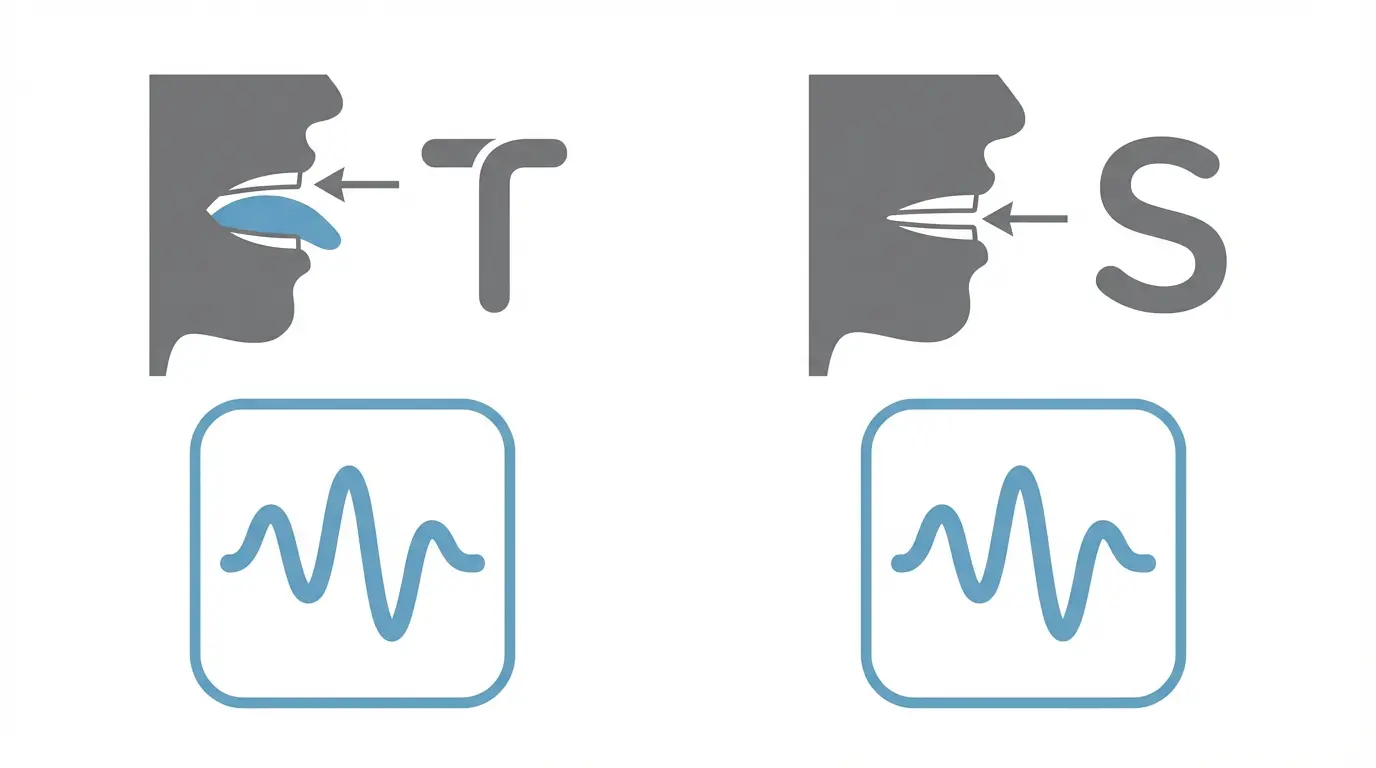
| Original voiceless phoneme | Expected allophone (claim) | Actual phonetic realization | Examples with romaji and English meaning |
|---|---|---|---|
| /tsu/ | /dzu/ | Voiced onset surfaces as /z/ or as affricate like [dz]. Variation is phonetic and not conditioned by origin. | Hypothetical example: romaji tsu… becomes zu… meaning example compound |
| /su/ | /zu/ | Voiced onset surfaces as /z/ or as affricate like [dz]. Variation is phonetic and not conditioned by origin. | Hypothetical example: romaji su… becomes zu… meaning example compound |
This table offers clarity and certainty about what to expect. In addition, if you want structured practice and explanation, see the Nihoner grammar guide: Nihoner Grammar Guide.
Micro win invitation
- Try one quick listening check and note a small improvement. Register free to track progress: Free Membership Registration.
Checkpoint: Rendaku voices the onset and the voiced outcome is not predictably tied to the original voiceless phoneme.
CONCLUSION
Key takeaways
The evidence examined here shows that the claim rendaku allophones of /zu/ depend on the original voiceless phoneme is not supported. Rendaku voices the onset and the voiced result surfaces within the voiced series. As a result, the surface realization may appear as a fricative or an affricate in careful speech, but this variation is phonetic rather than a predictable phonological reflex of /tsu/ or /su/. This conclusion offers clarity and certainty for learners and analysts who worry about hidden rules.
About Nihoner
Nihoner is a learning platform built for practical pronunciation and phonology study. The site includes a large dictionary, a pronunciation trainer with native audio, smart SRS flashcards, structured courses, and cultural content that helps you place sounds in real contexts. These features help with progress visibility by letting you track listening checks and timed reviews.
Registration
- Progress visibility Begin tracking your listening and pronunciation practice today with a free account: Register for a free membership
Checkpoint: The voiced outcome under rendaku is best treated as the voiced series rather than as an outcome tied to the original voiceless phoneme.
Frequently Asked Questions (FAQs)
What is rendaku and how does it affect the sound written as /zu/?
Rendaku is a process in Japanese where the initial consonant of a noninitial element in a compound becomes voiced. As a result, an original voiceless onset like /tsu/ or /su/ can appear voiced in the compound. However, the voiced outcome is treated as part of the voiced series rather than as a separate conditioned allophone.
Do rendaku allophones of /zu/ depend on the original voiceless phoneme?
The short answer is no. The claim that rendaku allophones of /zu/ depend on the original voiceless phoneme is not supported by the descriptive evidence. In other words, you should not expect a reliable rule that maps /tsu/ to /dzu/ and /su/ to /zu/ under rendaku.
Why do some listeners report hearing /dzu/ while others hear /zu/?
Perceptual differences arise because phonetic realization varies across speakers and speech styles. For example, careful citation speech can make an affricate quality more audible. Nevertheless, this variation is phonetic and not a predictable phonological outcome based on the origin.
How should learners practice distinguishing these sounds?
Listen to native tokens in compound words and compare casual and careful pronunciations. Use slow repeated listening, then mimic the voiced onset. Over time you will gain clearer perceptual cues and greater confidence.
When does this distinction matter for learners?
It matters mainly for detailed phonetic study and advanced pronunciation. For everyday communication focus on producing a clear voiced onset when rendaku occurs.
Registration invitation
- Micro win invitation Try one quick listening check and log your result to see progress visibility. Register free at Nihoner Membership.
Checkpoint This FAQ provides clarity and certainty about why the voiced result under rendaku is not tied to the original voiceless phoneme.