Which role does Non-standard furigana usage play in world-building?


Non standard furigana usage in Manga and Anime: Reading Meaning Beyond the Surface
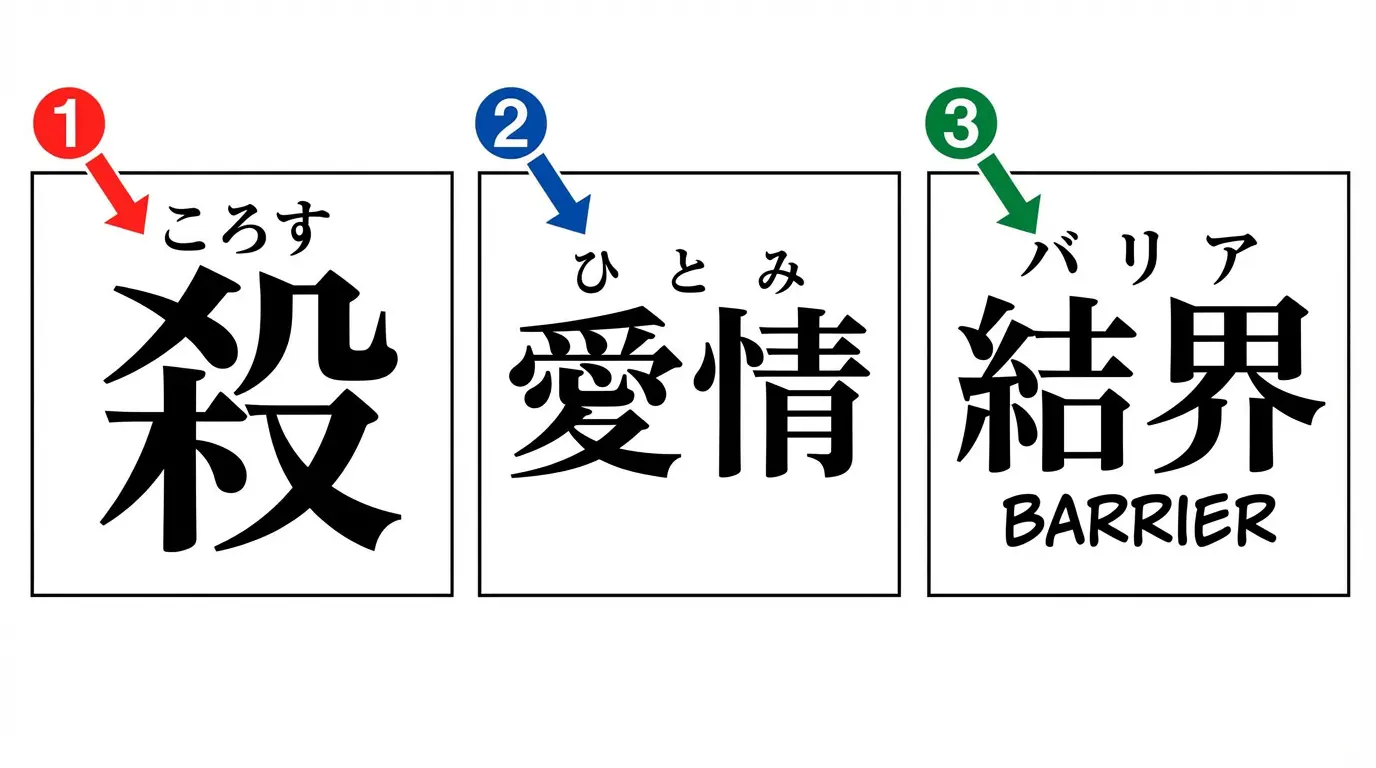
Non standard furigana usage appears throughout manga and anime to signal layered meaning and nuance. In many cases, creators place furigana over kanji to give an intended reading or to suggest a tone that differs from the literal characters. For example, a kanji for kill might carry a softer furigana reading to indicate euphemism or irony. This technique ties kanji readings to character voice, mood, and world building, and it often plays with Japanese reading conventions. Readers therefore need to learn how furigana can carry meaning beyond phonetics.
In addition, non standard readings can create wordplay or introduce in world jargon. As a result, understanding these choices helps you interpret dialogue and narration more accurately. Next, we will analyze common patterns, practical reading tips, and examples from well known series. Checkpoint: By the end of this article you will feel clearer about how furigana and kanji readings work together.
Non standard furigana usage: what furigana are and why they matter
Furigana (furigana) meaning “reading aid” used to show pronunciation and clarify kanji meaning. In standard practice, furigana tells the reader how to pronounce a kanji string. However, in manga and anime creators often use furigana for other purposes. These non standard readings can add tone, reveal subtext, or create deliberate mismatches between sound and written meaning.
For example, gikun (gikun) meaning “assigned reading” refers to cases where authors give kanji an unusual pronunciation for effect. Jukujikun (jukujikun) meaning “special compound reading” describes established kanji compounds with irregular pronunciations. In addition, authors use euphemism when they pair harsh kanji with softer furigana to change a line tone. Finally, in world jargon creators add furigana to explain fictional terms and loanwords inside a story.
Because furigana can use hiragana (hiragana) meaning “phonetic script”, katakana (katakana) meaning “phonetic script for foreign words”, or romaji (romaji) meaning “Latin transcription”, you will see many formats. As a result, readers should learn how japanese reading conventions let written meaning and spoken form work together. This reduces confusion and gives clear guidance for interpretation.
Progress tracking promise: Track examples and save your notes to watch your understanding grow at Nihoner. Register free.
Checkpoint: This introduction gives clear definitions and simple categories to reduce uncertainty about non standard furigana usage.
Types of non standard furigana usage and examples
Creators use several non standard furigana strategies to shape meaning. First, euphemism pairs harsh kanji with softer furigana to change tone. For example, a mangaka might write the kanji 殺 with a gentle furigana reading to soften an implied act. In that case the kanji gives weight and the furigana gives how to say it. This technique provides clarity and certainty about the author intent.
Second, wordplay often uses gikun (gikun) meaning “assigned reading” used when an author gives kanji an unusual pronunciation for effect. For instance, authors might write a familiar word in kanji and give it a playful reading to create double meaning. Jukujikun (jukujikun) meaning “special compound reading” covers established compounds with irregular pronunciations. In practice, these forms let writers map sound to layered meanings.
Third, clarifying referents helps when vague phrases need a stable target. For example, furigana can mark which character or object a pronoun points to. As a result, readers avoid confusion about who or what a line refers to.
Fourth, poetry and song lyrics use furigana to express nuance. In those cases hiragana furigana (hiragana) meaning “phonetic script” often gives a softer voice, while katakana furigana (katakana) meaning “phonetic script for foreign words” can add hard edge or foreign flavour. Meanwhile romaji furigana (romaji) meaning “Latin transcription” sometimes appears for stylistic impact.
Fifth, loanwords and in world jargon appear with furigana to teach the reader a term. Series like Jojo’s Bizarre Adventure and Bleach use this tool to explain unique abilities or factions. Likewise role playing games such as Tales of Vesperia use furigana to introduce invented terms and borrowed words.
For practice try converting a short line and note which function furigana serves. Celebrate micro wins when you correctly label one example.
Micro win invitation: Want an easy way to test readings and save examples? Register for free to track progress: Register for free.
Premium tip: If you struggle with irregular readings try the Furigana converter with pro features to convert tricky lines automatically and export exercises. Learn more: Learn more about pro features.
Learn more about tools for practice at this furigana converter page: Visit furigana converter.
| Standard Furigana Usage | Non standard Furigana Usage |
|---|---|
| Purpose | Show pronunciation, help learners, and clarify uncommon or ambiguous kanji readings. |
| Typical script for furigana | Usually hiragana (hiragana, meaning “phonetic script” used for native words). |
| Examples | Euphemism where kanji like 殺 pair with softer readings; Jojo’s Bizarre Adventure and Bleach terminology; Tales of Vesperia jargon; poetic lines and song lyrics. |
| Typical effects on meaning | Reduces ambiguity and gives the canonical spoken form. |
Conclusion
Non standard furigana usage functions as a deliberate author tool in manga and anime to connect spoken form and written meaning. Creators use furigana to assign special readings, create gikun or jukujikun effects, soften language with euphemism, teach in world jargon, and add poetic tone in song lyrics. When furigana appear they indicate the intended phonetic reading and the associated meaning of the text. Knowing how furigana work helps you parse character voice, identify wordplay, and follow complex world building.
Because japanese reading conventions allow flexible use of hiragana, katakana, and romaji furigana, a single panel can carry layered signals. For that reason focusing on patterns rather than memorizing exceptions gives better results. Practice by spotting functions in short excerpts and noting whether the furigana changes tone, clarifies a referent, or supplies a coined term.
Nihoner is an all in one platform for learning Japanese with real progress in mind. It offers a large Japanese dictionary, native style pronunciation support, structured courses, SRS flashcards, quizzes, and game based practice. Nihoner also publishes cultural content about Japan that links language to real places and contexts. The platform focuses on speed, clarity, and consistency so you can study efficiently and speak Japanese with confidence.
Progress visibility and clarity and certainty are useful guides as you practice. Try saving your favorite examples and revisiting them with new knowledge. Register free to start tracking progress: Nihoner Free Membership.
Frequently Asked Questions (FAQs)
What is non standard furigana usage in manga and anime?
Furigana (furigana) meaning “reading aid” shows pronunciation and clarifies kanji. Non standard furigana usage assigns unexpected readings or meanings to kanji, for example gikun (gikun) meaning “assigned reading” and jukujikun (jukujikun) meaning “special compound reading”. These forms let authors link sound and meaning creatively.
How does non standard furigana affect my reading experience?
It signals tone and subtext, and can highlight wordplay or euphemism. Therefore paying attention to furigana helps you catch implied meanings and narration choices.
Which famous works use this technique?
Series such as Jojo’s Bizarre Adventure, Bleach, and Tales of Vesperia use furigana to teach jargon and name abilities. For example, authors annotate made up terms so readers learn story specific vocabulary.
What practical tips help learners interpret non standard readings?
Read the furigana as the intended spoken form, then compare the kanji gloss to infer nuance. In addition check context and keep a short list of examples. These steps reduce anxiety when you meet unfamiliar readings.
Will furigana change the underlying meaning of kanji?
Usually furigana indicate the intended pronunciation and linked meaning rather than erase the kanji sense. This gives clarity and certainty about how to understand a line.