Why does かしこい mean clever, not awe?


かしこい (kashikoi, “intelligent”): a quick historical curiosity
What this introduction covers
Many learners encounter the modern adjective かしこい (kashikoi, “intelligent”) and then find older forms. For example, they see かしら (kashira, “I wonder” or an archaic sentence ending) and かしこ (kashiko, an old adjectival root). Because these forms look similar, curiosity grows about their relationship. However, apparent similarity does not always mean the words share the same origin.
Why learners should care
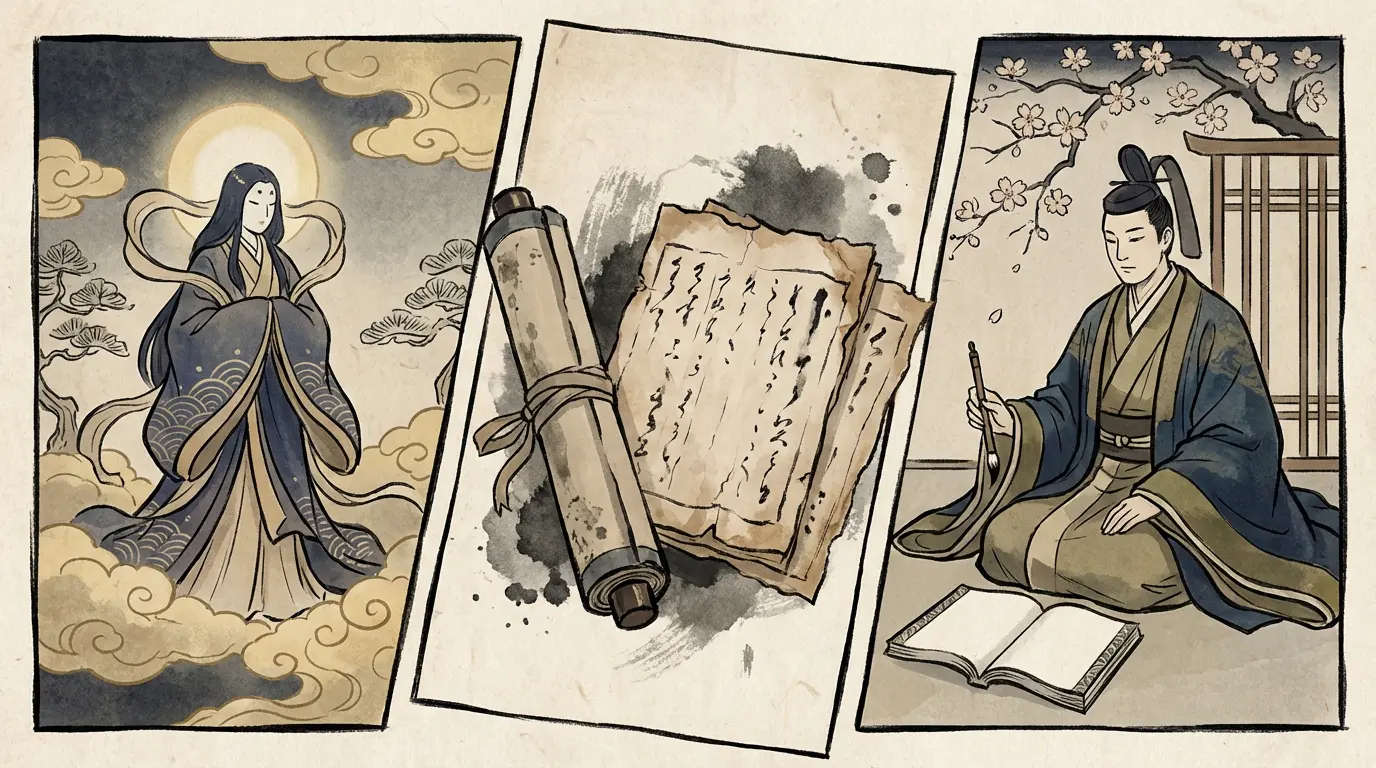
This piece teases the connection between かしら and かしこ and explains why the link matters to students. The investigation shows how meanings shift over time. For instance, 畏し (かしこし, kashikoshi, “awe inspiring” or “formidable”) originally described god like beings. As a result, it later broadened to nobles and intellectually gifted people. Today, かしこい no longer suggests awe, but verbs like かしこまる (kashikomaru, “to be respectful”) still echo older senses.
Understanding etymology helps learners grasp subtle meaning changes. Therefore, knowing these histories improves reading, listening, and vocabulary retention.
かしこい (kashikoi): historical origins and meaning
The modern adjective かしこい comes from the classical adjective 畏し, pronounced かしこし (kashikoshi). Historically, かしこし meant “awe inspiring” or “formidable.” Over time, its sense shifted toward wisdom and cleverness, which gave us かしこい.
However, かしら is not the source of かしこい. The word かしら has different roots and meanings. For more on かしら see かしら details. Therefore, apparent similarity in sound does not imply a shared origin.
Key facts about かしこい and かしこし
- Originally used for god like beings: 畏し かしこし described gods and objects that inspired fear or reverence. See classical usage.
- Expanded to noble and intellectually gifted people: Later, the term broadened. As a result, people of high status and exceptional intellect received the label.
- Today’s usage: Now かしこい mainly means “wise” or “clever.” The awe inspiring sense has largely vanished. However, related verbs like かしこまる still echo older meanings.
Because etymology exposes these shifts, learners gain clearer nuance. Therefore, studying word histories helps with reading, listening, and vocabulary retention. For a concise dictionary entry on the modern form, see dictionary entry.
かしこい: modern usage and lingering historical influence
Today かしこい (kashikoi, “intelligent”) no longer means awe inspiring. Instead it commonly means clever or wise. However its history still colors the word. Therefore learners should note the respectful undertones the adjective can carry in some contexts.
The verb かしこまる retains more of the older sense. It appears when speakers show deference or accept instructions politely. For example a store clerk might say かしこまりました (kashikomarimashita, “Certainly; I understand”). See more detail. Similarly the related entry for 畏む (more detail) links the verb to the adjective かしこし.
In practical use learners should prefer かしこい for intelligence and cleverness. For example 彼はかしこい学生だ (Kare wa kashikoi gakusei da. He is a clever student). However avoid using かしこい to express reverence. Instead choose かしこまる or set phrases that show respect.
Use かしこい in casual and neutral contexts to praise problem solving. For polite situations use かしこまる or formulas like かしこまりました. In business writing prefer formal language rather than かしこい. Here are quick usage tips:
- Casual praise: かしこいね (kashikoi ne. You are smart)
- Polite acceptance: かしこまりました (kashikomarimashita. Certainly)
- Avoid awe sense: use words like 畏敬 (ikei, reverence) or 尊敬 (sonkei, respect) when you mean reverence
Related terms include かしこまる, 畏し and respectful forms. Therefore studying these links helps learners appreciate nuance and register.
Comparison: かしら vs かしこ
| Word Form | Pronunciation (romaji) | Original Meaning | Historical Usage | Modern Usage | Notes for learners |
|---|---|---|---|---|---|
| かしら | kashira | Sentence ending expressing wonder or doubt. Also appears as a noun meaning head in some contexts. | Used historically as an interrogative softener and sentence-final particle. Therefore it marks curiosity. | Mostly colloquial now. Often feminine speech when used to mean ‘I wonder’. | Do not assume etymological tie to かしこ. Sound similarity is coincidental. |
| かしこ | kashiko | Root of 畏し (かしこし), meaning awe-inspiring or formidable. | Applied to gods and sacred things first. Later broadened to nobles and learned people. | Lives on in かしこい (intelligent) and かしこまる (to show respect). | Use かしこい for cleverness. Use かしこまる for polite acceptance or deference. |
Conclusion: かしこい and its roots
In short, かしこい (kashikoi, “intelligent”) comes from the classical adjective 畏し, pronounced かしこし (kashikoshi, “awe inspiring” or “formidable”). Therefore かしこい did not develop from かしら. Because the original word described god like reverence, the meaning later shifted toward respect and intelligence.
Understanding this distinction helps learners avoid confusion. For example かしこまる (kashikomaru, “to show respect; to behave respectfully”) still preserves older connotations. As a result, studying etymology clarifies register and nuance. This clarity improves reading, listening, and productive use of vocabulary.
Nihoner.com is an excellent all in one platform for learners. It links language to culture and history, and therefore deepens understanding. As a result students gain speaking confidence and study efficiency. Keep exploring word histories, because small differences reveal large gains in communication.
Frequently Asked Questions (FAQs)
Are かしら (kashira, “I wonder”) and かしこ (kashiko, root of 畏し) related?
No. かしら comes from sentence particles and noun forms. かしこ traces to the classical adjective 畏し (kashikoshi). Therefore the similarity is phonetic, not etymological. As a result, learners should not assume a shared origin.
Where does かしこい come from?
かしこい (kashikoi, “intelligent”) derives from 畏し (kashikoshi, “awe inspiring” or “formidable”). Originally it described gods and sacred things. Later it broadened to nobles and learned people. Today it means clever or wise.
How should I pronounce and use these words?
Pronunciation guide: かしこい = kashikoi. かしら = kashira. かしこ = kashiko. Speak each mora clearly and evenly. For example: 彼はかしこい学生だ (Kare wa kashikoi gakusei da. He is a clever student). Use かしこい to praise intelligence in casual speech.
What about かしこまる and polite language?
かしこまる (kashikomaru) means to accept or show respect politely. For example: かしこまりました (kashikomarimashita) is a set phrase for “Certainly” or “I understand.” Therefore use it in service and formal contexts.
Quick tips to avoid confusion
Focus on meaning and register rather than sound. Study etymology to spot shifts in usage. Practice with example sentences and listening drills. Also note that かしら often feels conversational. Conversely かしこい appears as descriptive praise. This method improves confidence and accuracy.