Why Japanese particle も usage: nuance and emphatic use matters?


Japanese Particle も Usage
The nuance and emphatic use of も is deceptively compact yet richly expressive. Here も is romanized as mo and translates roughly to also or an emphatic marker. Learners often spot identical forms but miss subtle shifts in meaning.
Because も can mark inclusion, emphasis, or an exclamatory tone, confusion follows quickly. However, the inclusive も differs from emphatic も in function and feel. This introduction previews technical details and real life examples that clarify those roles.
Therefore, we will examine contrastive pairs, context cues, and common pitfalls. For instance, inclusive も often translates to also or too, adding an additive nuance. By contrast, emphatic も intensifies surprise or judgment without relying on numbers.
We will unpack real examples that show subtle shifts in tone and focus. Along the way, readers will gain practical tips for accurate comprehension and use. Moreover, we address learner challenges highlighted on forums like Japanese Stack Exchange. Therefore, expect clear rules, cautionary notes, and practice prompts to deepen your control.
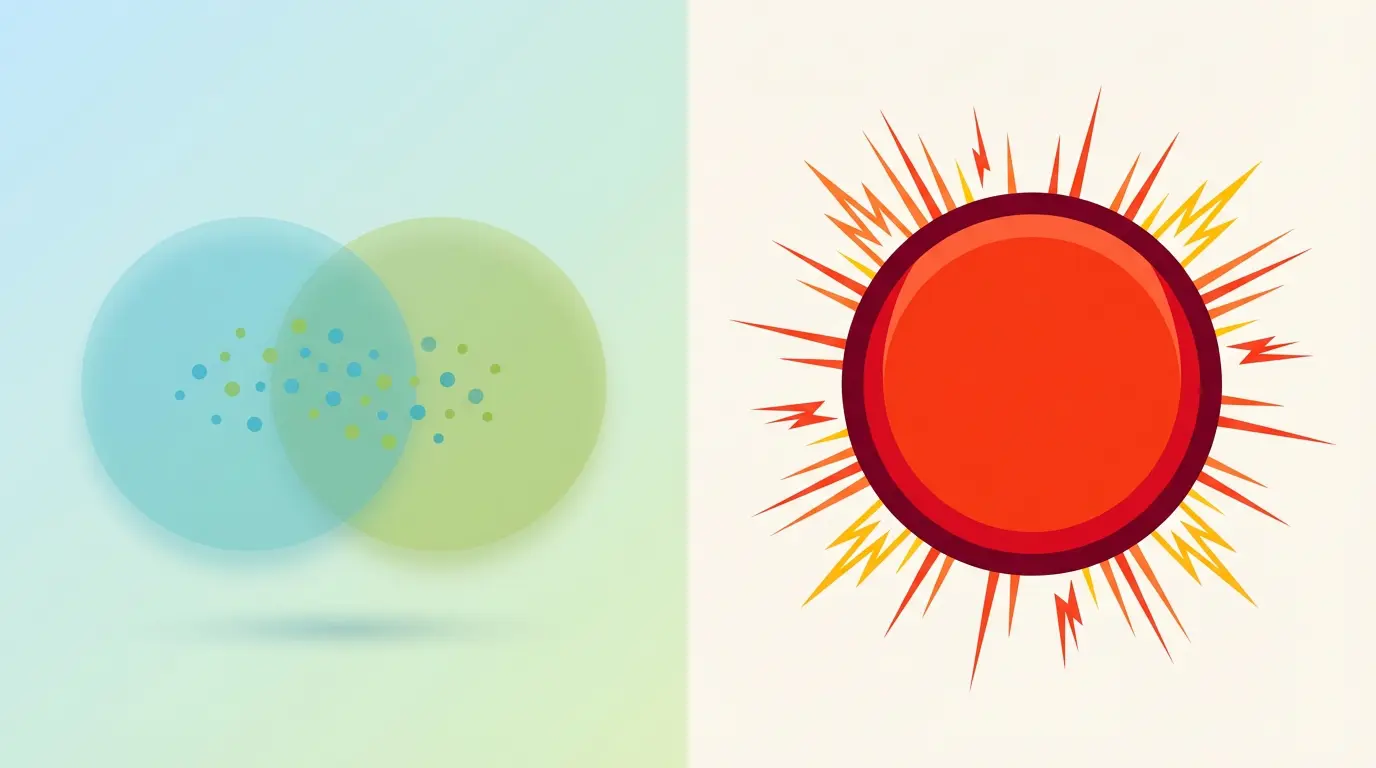
Inclusive も — Japanese particle も usage: nuance and emphatic use
The inclusive use of も marks addition or inclusion. Learners see it most often as “also” or “too.” For example, it adds a participant or action to a set. Therefore, it creates an additive nuance rather than strength or surprise.
Key features of inclusive も
- It attaches to nouns, pronouns, and verbs in short forms. For example, 私も行く (watashi mo iku) means I will go too.
- It signals inclusion without strong judgment. Moreover, it often translates as also or even.
- It contrasts with emphatic も, which stresses surprise or degree.
Examples and explanations
- 冗談もいいところだ
- Romaji: Joudan mo ii tokoro da
- Meaning: Literally this reads as “a joke, even a good one,” but idiomatically it criticizes. However, here も does not show simple inclusion. Instead, it contributes to an ironic or derogatory tone.
- 歌いも歌ったり、その数は50曲に及んだ
- Romaji: Utai mo uttari, sono kazu wa gojuukyoku ni oyonda
- Meaning: They sang and sang; the total reached fifty songs. In this case, も after 歌い works additively. For example, it lists singing among other activities. Therefore, it fits inclusive も.
- 今まで黙っているなんて君も君だよ
- Romaji: Ima made damatte iru nante kimi mo kimi da yo
- Meaning: You keeping quiet until now makes you something else. In contrast, も here intensifies judgment, so it is emphatic rather than purely inclusive.
Practical tips
- To detect inclusive も, look for lists or parallel actions. Also, check whether the sentence adds information rather than heightening emotion.
- For more learner questions and usage notes, see Japanese Stack Exchange and the in-depth explanations at Imabi.
Related keywords: inclusive も, exclamatory も, softener も, numerical vs non-numerical usage.
| Usage type | Typical sentence examples (Japanese + romaji) | Meaning nuances | Common contexts |
|---|---|---|---|
| Inclusive も | 歌いも歌ったり、その数は50曲に及んだ — Utai mo uttari, sono kazu wa gojuukyoku ni oyonda; 私も行く — Watashi mo iku | Adds items or participants. Indicates also or too. Neutral addition. | Lists, parallel actions, additive descriptions, activity reports. |
| Emphatic も | こうも暑いとぐったりしてしまう — Kou mo atsui to guttari shite shimau; そんなことをするとは非常識もはなはだしい — Sonna koto o suru to wa hijoushiki mo hanahadashii; 冗談もいいところだ — Joudan mo ii tokoro da | Intensifies degree or emotion. Marks surprise, criticism, or rhetorical force. Often non-numerical emphasis. | Complaints, exclamations, rhetorical remarks, strong judgments. |
For quick practice, compare pairs and note whether も adds items or heightens feeling. Also, read the examples above carefully and mimic their contexts.
Emphatic and Non‑numerical も — Japanese particle も usage: nuance and emphatic use
Emphatic も often appears outside numerical contexts. Therefore, learners must spot subtle cues to interpret it. For example, the question “I’ve seen examples of も being used emphatically outside of numerical values” reflects a common confusion on Japanese Stack Exchange. In addition, another learner noted: “I am having an issue on how to apply the nuance of inclusive も here…” These learner quotes show the practical need to unpack non‑numerical emphasis.
How emphatic も works
- Emphatic も intensifies degree or feeling rather than adding elements. For example, it can mark shock, criticism, or rhetorical force.
- It often appears in adverbial or exclamatory setups such as こうも or constructions with はなはだしい.
- In many cases tone and context decide whether も is emphatic or inclusive.
Key examples with romaji and translations
-
そんなことをするとは非常識もはなはだしい
Romaji: Sonna koto o suru to wa hijoushiki mo hanahadashii
Translation: To do such a thing is extremely unreasonable. Here も intensifies the judgment.
-
こうも暑いとぐったりしてしまう
Romaji: Kou mo atsui to guttari shite shimau
Translation: It is so hot like this that I become exhausted. The も in こうも heightens degree, not a count.
-
歌いも歌ったり、その数は50曲に及んだ
Romaji: Utai mo uttari, sono kazu wa gojuukyoku ni oyonda
Translation: They sang and sang; the total reached fifty songs. Here 歌いも often serves additively, but context can push it toward emphasis when the tone exaggerates the activity.
-
冗談もいいところだ
Romaji: Joudan mo ii tokoro da
Translation: That is ridiculous as a joke. In this idiom も helps create ironic or derogatory emphasis.
Distinguishing emphatic, exclamatory, and softener も
- Emphatic も raises degree or judgment. By contrast, exclamatory も adds surprise. Meanwhile softener も reduces bluntness in some informal speech.
- To test usage, change the verb form or add a clarifying phrase. If meaning shifts from addition to evaluation, you have emphatic も.
Further reading and community discussion appear at Japanese Stack Exchange and at grammatical resources such as Imabi.
Conclusion
This article examined Japanese particle も usage: nuance and emphatic use in depth. We compared inclusive も, which adds or lists, with emphatic も, which intensifies judgment or degree. Through clear examples we showed how context and tone decide interpretation. Therefore readers can detect function by looking for lists, contrastive markers, or exclamatory phrases.
Key takeaways
- For example, inclusive も marks addition or inclusion, often translated as also or too.
- Also, emphatic も raises degree, surprise, or criticism without numbers.
- In practice, context, adverbial forms, and tonal cues decide which meaning applies.
- Therefore, practice with examples to build recognition and production.
Nihoner.com supports mastery by offering practical exercises and contextual examples. Moreover its lessons connect technical grammar points to real life use. Use those resources to deepen your control of particles and to test your understanding.
Return to example sentences often, and change particles to see effect. In addition, compare pairs such as Watashi mo iku and Joudan mo ii tokoro da. Stay curious and test your hypotheses through short writing and speaking drills.
Frequently Asked Questions (FAQs)
What simple tests distinguish inclusive も from emphatic も?
Look for lists or parallel actions. For example, 歌いも歌ったり (Utai mo uttari) lists singing among activities. If も simply adds an item, it is inclusive. However, if the sentence heightens judgment or degree, it is emphatic. Also watch for adverbial forms like こうも and evaluative words like はなはだしい. Tone and surrounding words decide the function.
Can も be emphatic without numbers or counts?
Yes. Emphatic も often appears outside numerical contexts. For example, こうも暑いとぐったりしてしまう (Kou mo atsui to guttari shite shimau) uses も to intensify degree. Also 冗談もいいところだ (Joudan mo ii tokoro da) uses も for ironic emphasis. Therefore do not assume も implies counting. Instead, read for rhetorical force or surprise.
When does も act as an exclamatory marker or softener?
Exclamatory も highlights surprise or incredulity. For example, 今まで黙っているなんて君も君だよ (Ima made damatte iru nante kimi mo kimi da yo) conveys a pointed reproach. Meanwhile softener も can make criticism less blunt in casual speech. To decide, compare tone and formality. If the speaker seems mitigating, も likely softens. If the speaker seems outraged, も is exclamatory or emphatic.
How can I test ambiguous sentences in practice?
Replace も with another particle and note changes. For example, swap も for だけ or は. If meaning shifts from addition to evaluation, you likely had emphatic も. Also add clarifying adverbs or break the sentence into clauses. Practice this with sample sentences. For community discussion, see Japanese Stack Exchange and further grammar notes at Imabi.
What study methods help me master these nuances quickly?
Use minimal pairs and contrastive drills. Read aloud and record tone variations. Also perform sentence transformations, such as adding lists or adverbials. Finally, collect real examples from literature and forums. Then analyze context, romaji, and translation to internalize patterns. Consistent exposure makes interpretation automatic.